
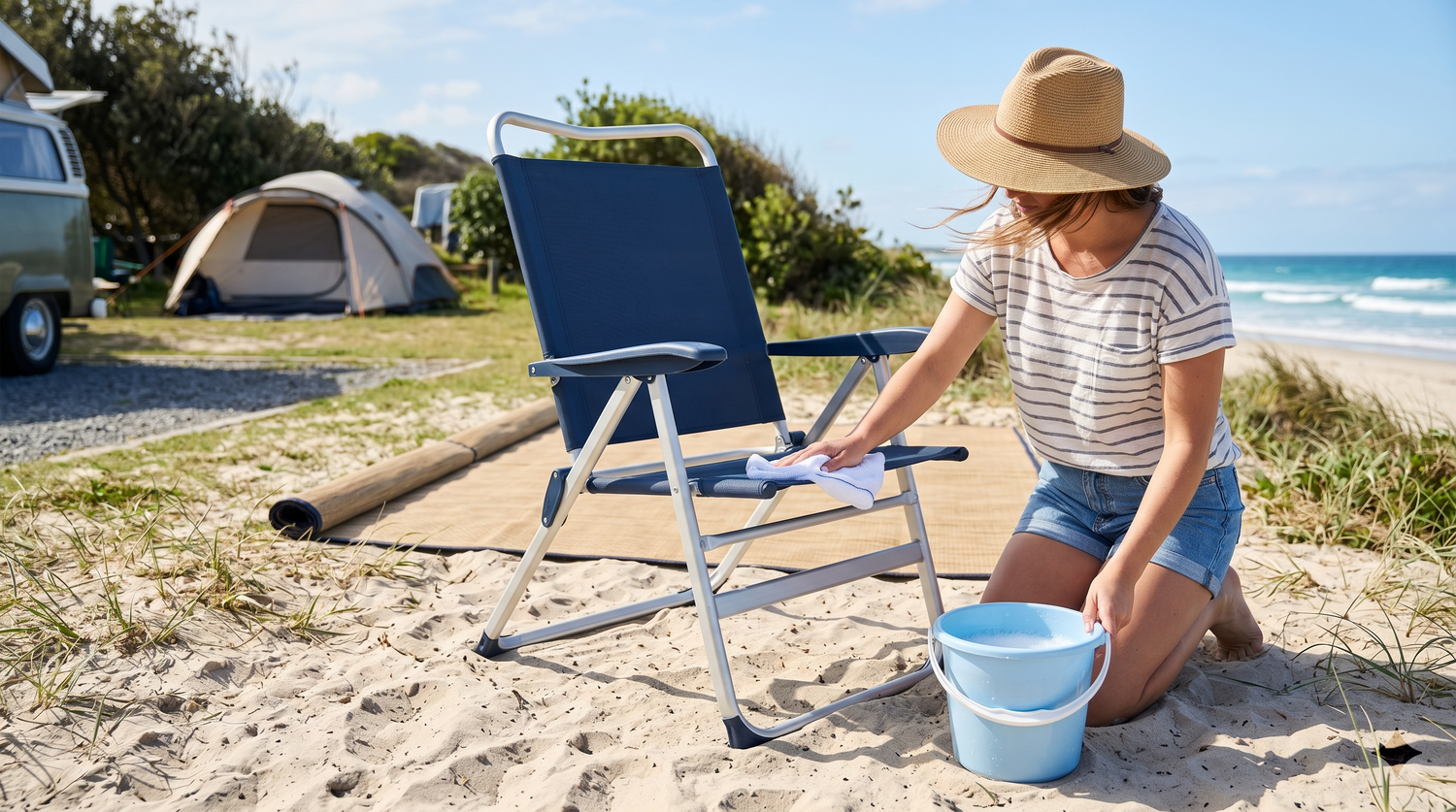
Spending time outside is much better when you have a comfortable place to sit. Whether you are relaxing on the sand, sitting by a campfire, or watching a soccer game from the sidelines, outdoor chairs make the experience better. However, these chairs go through a lot. They face constant sun, salt air, spilled drinks, and muddy ground. Because folding outdoor chairs move and have many joints, dirt can get stuck in places you might not see.
If you don't take care of your outdoor leisure chairs, they can quickly become gross or even break. Sand can grind down the hinges, moisture can cause mold to grow on the fabric, and salt can eat away at the metal. This blog explains how to wash your chairs, how to handle different materials, and the best ways to store them.

Know Your Outdoor Chair Materials Before You Start
Different parts of a chair need different types of care. Knowing what your chair is made of helps you choose the right cleaning tools so you don't accidentally cause damage during the process.
Fabric Seats and Mesh Panels
Most beach chair and hiking chair models use polyester, nylon, or mesh. These materials are strong and dry fast, but the weave of the fabric can trap tiny grains of sand, dried sweat, and sunscreen. If these stay in the fabric, they act like sandpaper, wearing down the threads every time you sit down. Always use soft tools on fabric. Hard brushes can pull at the stitching or tear the mesh.
Metal Frames
The frame is the skeleton of your chair. Most are made from aluminum or steel. Aluminum is great because it doesn't rust like iron, but it can still get pitted or dull from salt. Steel is very strong but can rust quickly if the paint or coating gets scratched. Regularly checking the frame for chips in the paint or signs of orange rust helps you catch problems before the chair becomes unsafe to sit on.
Plastic Parts, Armrests, and Feet
Plastic is found on armrests, cup holders, and the "feet" at the bottom of the legs. These parts usually just need a quick wipe. However, the feet often get filled with mud or sand. If plastic parts sit in the sun for too long without being cleaned, they can become brittle and crack. Keeping them free of chemicals like bug spray or heavy oils will help the plastic stay flexible.
How to Clean Outdoor Chairs Step by Step
Cleaning your gear doesn't have to take all day. Following a simple routine makes the job easy and ensures you don't miss the hidden spots where grime likes to hide.
Step 1: Shake Off Loose Dirt and Sand
Start by opening the chair fully. Give it a good shake to get rid of big pieces of debris. Use a dry cloth or a soft brush to sweep out the corners. Pay close attention to the seams where the seat meets the backrest. Use your fingers to clear out any sand or pebbles stuck in the cup holders or the folding joints. Removing the dry dirt first prevents you from turning that dust into mud once you add water.
Step 2: Use Mild Soap and Water
Fill a bucket with warm water and add a small amount of mild dish soap. Avoid using bleach or strong laundry detergents. Dip a soft sponge or cloth into the soapy water and wipe down the entire chair. Start from the top and work your way down. This gets rid of body oils, food spills, and dust. Soap is usually all you need to keep outdoor furniture looking fresh without stripping away protective coatings.
Step 3: Spot Clean Stains
If you see a tough spot, like a mustard stain or a dark scuff mark, use a soft-bristled brush. Dip the brush in soapy water and scrub in a circular motion. Do not press too hard, especially on mesh panels. For sunscreen stains on the headrest, a little extra soap and a longer soak with the sponge can help break down the oils.
Step 4: Rinse and Remove Cleaner Residue
Once the chair is clean, you need to get the soap off. Soap residue can actually attract more dirt once the chair is dry, and it can leave white streaks on dark fabric. Use a clean, damp cloth to wipe away the suds. You can also use a garden hose on a very low setting, but do not use a pressure washer. High-pressure water can force its way into the metal tubes and cause rust from the inside out.
Step 5: Dry Completely Before Folding or Storing
This is the most important step. Find a sunny spot or a place with good airflow and let the chair sit open. It needs to be 100% dry. Touch the thickest parts of the fabric and the bottom of the feet to make sure no water is hiding. If you fold the chair while it is even slightly damp, you will likely find mold or a musty smell the next time you open it.

How to Care for Outdoor Chairs After Specific Activities
The environment where you use your chair determines what kind of "attack" it faces. By cleaning up in a way that fits the location, you can better protect yourself from the dangers that come with the beach or the woods.
After Beach Trips
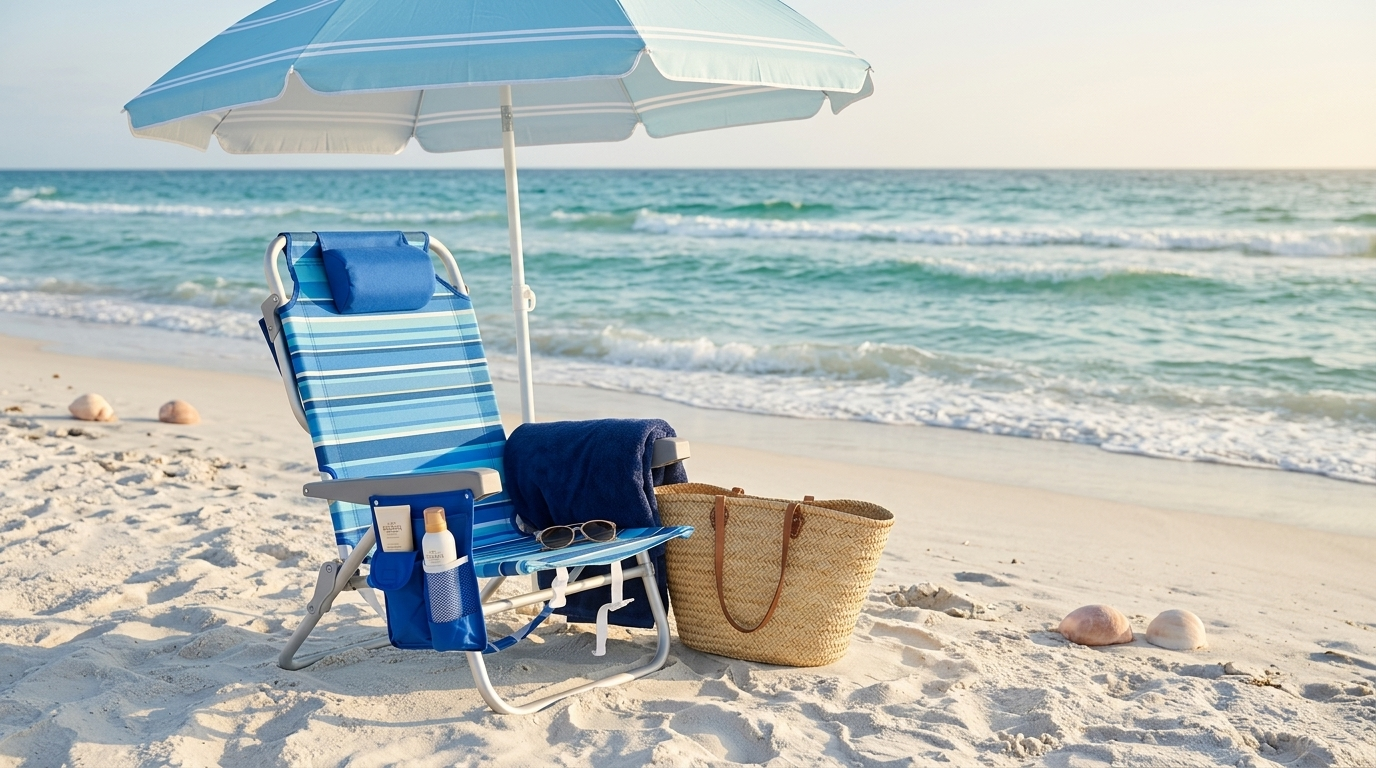
The beach is the toughest place for a beach chair. Saltwater and salt air are very corrosive to metal. Even if the chair didn't get wet, salt is in the air. Sand also gets into the hinges and acts like an abrasive. After a trip to the ocean, rinse the entire frame with fresh water. Make sure to spray the moving joints to wash out any salt crystals that could cause the metal to seize up.
After Camping Trips
When you take a camping chair into the woods, it often deals with mud and tree sap. Sap can be sticky and hard to remove if it dries. If you get sap on the fabric, try using a little bit of rubbing alcohol on a cotton ball to dissolve it, then wash with soap. Check the bottom of the chair legs for mud. If mud dries inside the feet, it can hold moisture against the metal frame for a long time.
After Rain or Humid Weather
Sometimes you can't avoid the rain. If your outdoor furniture gets soaked, don't just throw it in the trunk of the car and forget about it. Once you get home, bring the chairs inside a garage or a covered porch. Open them up and let the air circulate. Even if the sun isn't out, a fan can help dry the fabric and prevent rust on the hardware.
Maintenance Tips to Make Your Outdoor Chairs Last Longer
In addition to cleaning, your chairs will last longer if you do some preventative upkeep.
Check the Frame and Folding Mechanism
Once or twice a year, look closely at the hardware. Check the screws and rivets that hold the chair together. If a screw is loose, tighten it with a screwdriver. If the chair is hard to open, you can use a tiny drop of silicone-based lubricant on the joints. Stay away from heavy oils that attract dust. A smooth-sliding chair is much less likely to break when you are setting it up in a hurry.
Store Chairs in a Dry, Covered Place
When the season is over, find a good home for your portable chairs. Storing them in a basement, a closet, or a dry shed is best. If you have to keep them in an outdoor shed, try to keep them off the floor so they don't soak up moisture from the ground. While a protective cover or a large plastic bag can keep dust off, make sure the chair is bone-dry before you cover it, or you will trap moisture inside.
Prevent Mold, Rust, and Sun Damage
The sun’s UV rays are very strong and can fade fabric or make plastic brittle. When you aren't actually sitting in the chair, try to move it into the shade. Keeping the chair clean is your best defense. A thin layer of dirt can hold moisture against the frame, which starts the rusting process. If you notice a small rust spot starting, sand it off gently and touch it up with a bit of outdoor-safe paint.

Common Mistakes People Make with Outdoor Chairs
Avoiding these simple errors will keep your gear in the rotation for a lot longer.
- Using Harsh Chemicals: Never use bleach, ammonia, or strong solvents. These can eat through the waterproof coating on the fabric and damage the plastic parts.
- Folding While Wet: This is the fastest way to grow mold. Always wait for the fabric and the inside of the tubes to dry.
- Ignoring the Salt and Sand: If you go to the beach, you must rinse the chair. Salt is silent but it destroys metal frames very quickly.
- Leaving Chairs Out All Winter: Even heavy duty outdoor chairs will suffer if left in the snow or constant rain for months. Bring them inside when they aren't in use.
Keep Your Outdoor Leisure Chairs in Top Shape
Taking care of your outdoor leisure chairs isn't a difficult chore. The main things to remember are to be gentle with your cleaning, be thorough with your drying, and be smart about where you put them when you aren't using them. Consistent, simple care is always better than trying to fix a ruined chair later on.
FAQs
Q1: How often should I clean a beach chair or camping chair?
You should do a quick "shake and wipe" after every use. A deeper cleaning with soap and water is a good idea at the end of the summer or after a particularly messy trip, like a muddy camping weekend.
Q2: Can I use regular household cleaner on outdoor chair fabric?
It is safest to use mild dish soap. Many household cleaners have chemicals that can break down the UV-protective coating on the fabric or cause the colors to bleed and fade.
Q3: What is the best way to dry an outdoor chair after washing or rain exposure?
The best way is to leave the chair fully open in a breezy, shaded area. Direct hot sun is okay for a short time, but long-term sun exposure can fade the fabric. The most important part is that the chair stays open until every part is dry.
Q4: How do I prevent mold and rust on foldable outdoor chairs?
The secret is dryness. Mold and rust both need moisture to exist. If you always store your chairs dry and keep them in a place with low humidity, you will rarely have issues with mold or corrosion. If you are an outdoor furniture supplier or someone with a lot of gear, keeping a dehumidifier in your storage area can also help.



Leave a comment
This site is protected by hCaptcha and the hCaptcha Privacy Policy and Terms of Service apply.