
Key Takeaways
- Weight Distribution: Chairs sink because narrow legs concentrate weight on small points. Spreading this weight stops the sinking.
- Smart Setup: Placing chairs on damp sand or compacting loose sand beforehand provides immediate stability.
- Chair Selection: Low-profile beach chairs with flared feet or solid bars handle soft terrain best.
- DIY & Accessories: Using items like tennis balls or ground mats can instantly fix sinking camping chairs.
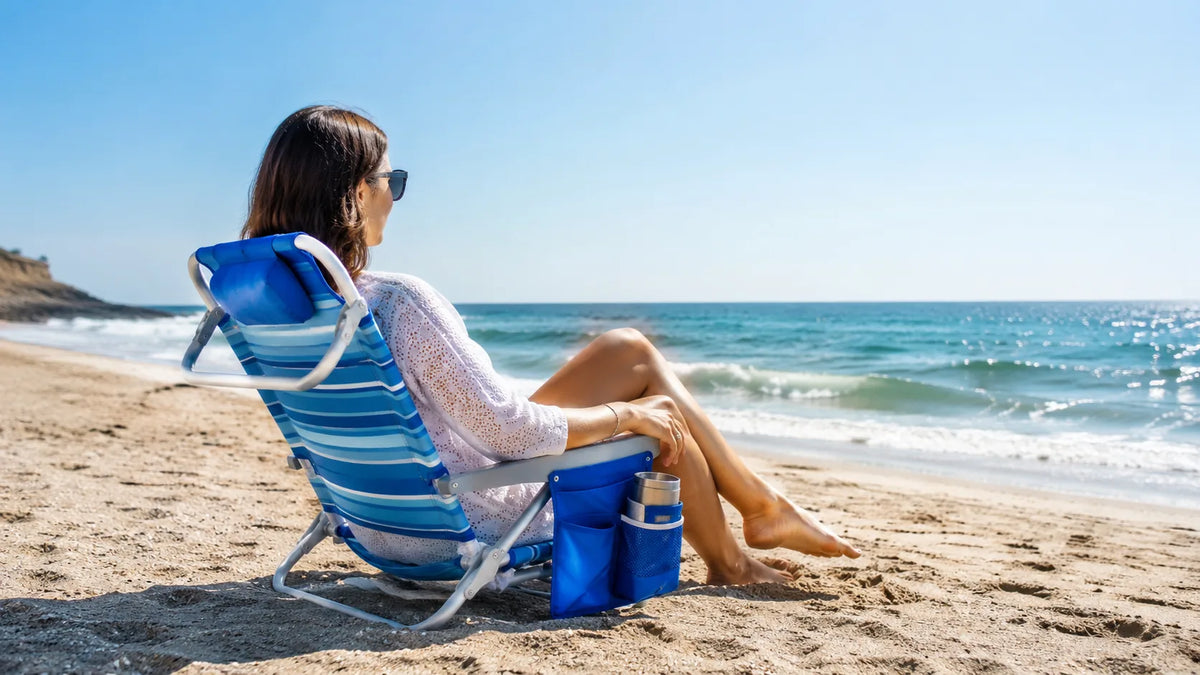
A relaxing beach day can quickly become frustrating when your chair keeps sinking into the sand. You sit down with a cold drink, and a moment later, you tilt backward or sideways. Whether you're using a lightweight camping chair or a dedicated beach chair, understanding why chairs sink and how to prevent it can help you stay comfortable and stable throughout the day. This guide covers the causes, practical solutions, and key features to look for when choosing a beach chair.
Why Do Beach Chairs Sink Into the Sand?
Getting to the bottom of your stability issues starts with a look at basic physics. Sandy shores behave much differently than the solid soil or grass in your backyard.
How Sand Affects Weight Distribution
Soft, dry sand consists of tiny, loose particles with lots of empty space between them. Because the grains move freely, they offer very little resistance when you apply pressure. When you sit down, your entire body weight pushes down through the chair frame. If that weight focuses on four tiny points, the surface pressure is incredibly high. The loose grains slide away from the pressure, causing the chair legs to sink instead of the entire chair staying flat on top. Research on loose sand pressure behavior confirms that dry, uncompacted granular material offers minimal load resistance under concentrated point forces.
Factors That Make a Chair Sink Faster
Several specific design elements and environmental factors accelerate this annoying process:
- Narrow chair legs: Small plastic tips act like tiny shovels, cutting right through the loose surface.
- Lightweight frames with small feet: Ultralight backpacking options often lack the wide base needed for soft ground.
- Uneven or loose sand: Areas high above the tide line have had more time to dry out and loosen up.
- Higher seating positions and shifting body weight: Taller seats create a higher center of gravity, which unevenly forces weight onto the rear legs whenever you lean back.

Choose the Right Beach Chair for Soft Sand
Preventing the sink often starts before you even step onto the coastline. Selecting proper sand chairs designed specifically for this shifting environment saves a lot of hassle.
Look for Wide or Anti-Sink Chair Feet
The easiest way to defeat soft terrain is with a wider base. Look for folding sand chair options that feature flat, oversized disks or flared caps on the bottom of the legs. These are often called sand-friendly foot designs. A larger contact area matters because it divides your weight across a much bigger space. Instead of cutting into the beach, the wide feet push down evenly, allowing the chair to float right on top of the loose grains.
Consider a Low-Profile Beach Chair
Low-sitting models are inherently better at staying upright. A lower center of gravity reduces the leverage your body weight has when you tilt or shift. The main trade-off here is stability versus ease of getting up. Low models keep you securely planted, but they require more leg strength to exit. Anyone with knee or back pain should choose a higher beach chair and rely on wide feet rather than a low seat height for stability.
Other Features Worth Considering
When shopping for durable sand chairs, keep an eye out for these practical build details:
- Rust-resistant aluminum frame: Saltwater and sea air corrode steel quickly, but aluminum stays strong and clean. Independent testing confirms the superior aluminum corrosion resistance in humid and marine environments. [[1]](#__1)
- Durable fabric: Heavy-duty canvas or mesh handles heavy use, wet swimsuits, and abrasive grit.
- Weight capacity: Ensure the frame ratings match your needs to prevent the joints from bending on uneven ground.
- Backpack straps for portability: Carrying your gear hands-free makes navigating deep dunes much easier.

Easy Ways to Keep Your Beach Chair From Sinking
You do not need to buy brand-new gear if your current seat has a tendency to slide into the earth. Try these simple, budget-friendly strategies to steady your setup.
Place a Beach Mat or Towel Under the Chair
One classic trick is spreading a wide barrier underneath your seating area. A heavy-duty woven mat or an old, thick towel acts as an extra layer of skin over the loose ground. When you place portable beach chairs on top of a mat, the fabric catches the feet and spreads the downward load across the entire square footage of the material. Woven polypropylene mats work best because they do not absorb water and shake clean in seconds.
Use Chair Foot Pads or DIY Leg Supports
If you want a direct fix for narrow legs, look into specific attachments. Anti-sink chair feet are small plastic disks that snap right onto standard tubing. For a quick DIY solution, cut small slits into four tennis balls and slide them over the tips of the legs. The wide, hollow rubber spheres increase the surface area dramatically, turning an average backyard seat into a highly functional folding sand chair.
Set Up on Firmer Sand
Location is everything when you want a steady place to relax. Wet sand holds its shape much better than dry sand because water acts like a natural glue, binding the tiny grains together. Look for a spot just above the active wave line where the ground feels damp and solid under your feet. Setting up in this zone provides a stable location where even narrow legs struggle to break through the surface. While you enjoy the outdoors, remember to follow beach sun safety guidelines to protect your skin during long sessions near the water.
Level and Press the Sand Before Sitting
A little bit of prep work goes a long way. Before you unfold your equipment, use your feet or a small shovel to clear away the fluffiest top layer of dry sand. Stomp down on the area to compact the loose particles into a firmer base. Once the ground is flat, press all four legs into the surface evenly before you sit down to ensure the weight distributes safely right from the start.
Common Mistakes That Make Beach Chairs Sink
Small errors during setup can ruin your comfort. Identifying these frequent oversights will help you keep your gear level and dry all afternoon.
Using a Camping Chair Designed for Hard Ground
Standard quad-folding camp seats are great for soccer games and gravel campsites, but they perform poorly near the ocean. Their vertical legs end in small, hard plastic cups meant to grip solid dirt. On the beach, these tips act like stakes, driving straight down into the earth the moment you sit. For a full breakdown of the differences, see our guide on using a camping chair on the beach.
Ignoring the Chair Foot Design
Many people buy beach chairs based solely on color, price, or cup holder options while ignoring the bottom of the frame. Small, rounded caps will always cause trouble. Checking for wide, flat bottoms or horseshoe-shaped ground bars saves future frustration.
Placing the Chair on Loose Dry Sand
Setting up your camp right in the softest, deepest dunes maximizes your chances of sinking. These areas have zero moisture to hold the ground together, making it impossible for standard furniture to remain level for long.
Constantly Moving the Chair Around
Every time you pick up and shift your seat, you disrupt the packed ground underneath. Constantly twisting to face the sun or moving closer to friends breaks up the stable pockets you created, forcing the legs to start digging fresh holes all over again.
Beach Chair Accessories That Improve Stability
Add-on items offer an easy upgrade for older gear. These products focus specifically on widening your footprint without requiring a full equipment replacement.
Anti-Sink Chair Leg Caps
These small, removable rubber or plastic pods slide over standard feet. They feature wide, flat bottoms that work exactly like snowshoes, keeping your furniture resting securely on top of loose drifts.
Sand Mats and Ground Covers
Large ground coverings offer a dual benefit. They create a sand-free zone for your coolers and bags while simultaneously acting as a giant stabilizing platform for multiple beach chairs at once.
Portable Stabilizer Pads
These small, rigid plastic squares or interlocking tiles sit directly under each leg. They are lightweight, pack away easily into a tote bag, and provide a solid, unyielding surface for thin metal frames.
Beach Chair Buying Tips for Better Stability
Shopping with specific criteria in mind ensures your next purchase handles coastal conditions flawlessly. Focus on these structural elements to get the best performance.
Best Leg Design for Sand
Prioritize models that utilize continuous U-shaped bars across the bottom instead of four individual vertical legs. These parallel bars distribute weight along two long, horizontal paths, making it almost impossible for the frame to dive into loose soil.
Ideal Seat Height
For maximum stability, choose a seat height between 5 and 8 inches off the ground. If you struggle to stand up from low positions, look for an 11-to-15-inch model that compensates for the height with extra-wide, flared mud feet.
Frame Material and Weight
Look for high-quality, powder-coated aluminum frame construction. This material provides the perfect balance, offering a sturdy, rigid structure that resists bending under pressure while remaining light enough to carry across long parking lots.
Stability vs. Portability
Do not sacrifice structural strength just to save a few ounces of carrying weight. Very flimsy, ultra-light frames flex too much on uneven coastlines, which causes uneven weight loading and forces the legs deep into the ground.

Keep Your Beach Chair From Sinking
Setting up a stable beach chair requires just a few smart adjustments. Spreading your weight across a wider surface helps you beat the shifting sand. Swap out narrow legs, slide a towel underneath, or camp closer to the damp shoreline. These quick changes keep your seat level and secure. You can finally sit back, relax, and focus on the waves instead of constantly tilting.
FAQs
Q1. Why does my beach chair keep sinking into the sand?
Beach chairs sink because narrow legs concentrate your weight onto a small surface area. Soft, dry sand cannot support that pressure, causing the legs to sink.
Q2. How can I stop my beach chair from sinking?
Choose a chair with wide feet, place it on firmer sand, use anti-sink foot pads, or put a beach mat or sturdy board underneath the legs to distribute the weight more evenly.
Q3. Are low beach chairs better for sand?
Yes. Low-profile beach chairs generally have a lower center of gravity, making them more stable and less likely to tip or sink unevenly on soft sand.
Q4. Can I use a regular camping chair on the beach?
Yes, but standard camping chairs with narrow legs are more likely to sink into soft sand. Adding stabilizing accessories or choosing a chair designed specifically for beach use will provide a much better experience.


Leave a comment
This site is protected by hCaptcha and the hCaptcha Privacy Policy and Terms of Service apply.