
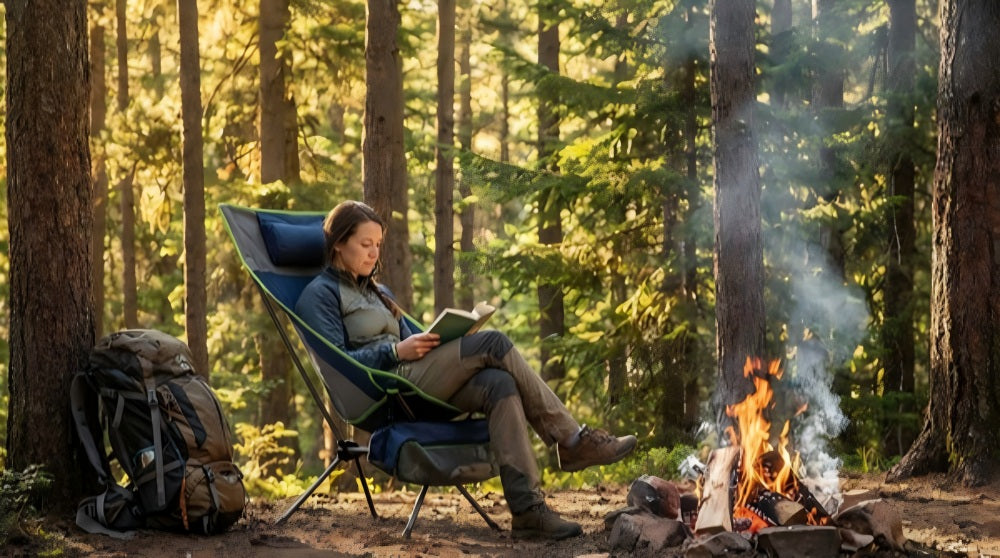
Spring camping offers a chance to see the wilderness wake up. Flowers bloom, birds return, and the air feels fresh. To have a good trip, you need to plan for cool, changeable weather, pack smart gear, and pick a campsite that stays dry when it rains.
What to Expect from Spring Weather and Ground Conditions
Getting to know the area helps you pack the right gear. It doesn't just rain in the spring; the weather and scenery also change, which can affect how you move and sleep.

Common Spring Weather Patterns
- In the spring, the sun might be out at noon, but the temperature drops fast once it sets. These swings can reach 30°F (about 17°C) in some areas, especially in mountains or dry inland regions. Sudden temperature shifts occur in mountain spring environments.
- You should also expect more wind and sudden storms.
- If you are in the mountains, snowmelt makes the ground soggy and causes rivers or creeks to run much higher and faster than they do in the fall.
How the Environment Changes Your Experience
Spring weather dictates how you dress and sleep.
- Since temperatures shift fast, your clothing must keep you dry to prevent chills or hypothermia. Wet clothing increases the risk of developing hypothermia.
- Wet ground also makes picking a spot harder than in summer. You need high ground to avoid sleeping in a puddle. A smart location keeps you warm and ensures your gear stays dry during a midnight storm.
Must-Have Gear for Spring Camping
The right equipment acts as a shield against the elements. Since you can't control the clouds, you have to rely on your pack to keep you warm and dry throughout the night.
Clothing: Layering for Changing Temps
Layering is the best way to stay comfortable. Start with moisture-wicking base layers made of synthetic fabric or wool. Avoid cotton because it stays wet and makes you cold. Add a fleece or an insulated jacket as a mid-layer to trap heat. Finally, wear a waterproof and windproof shell. Always pack extra socks, a warm hat, and gloves. Keeping your feet dry is the most important part of staying happy on the trail.
Shelter: Tents and Sleeping Systems
A 3-season tent is usually enough, but it must have a good rainfly and plenty of ventilation to stop condensation from building up inside. Use a groundsheet or footprint under the tent to keep floor moisture out. Bringing a separate tarp to hang over your cooking area gives you a dry place to sit outside the tent. For sleeping, use a bag rated for temperatures colder than the forecast suggests, and always use an insulated sleeping pad to block the cold ground from sucking away your body heat.

Cooking and Staying Comfortable
- Your stove needs to be reliable in breezy, cool air. Make sure you have plenty of fuel, as boiling water takes longer when it is cold.
- Keep your matches and electronics in waterproof bags.
- To make the site feel more like home, bring camp chairs and a sturdy table. A camping wagon collapsible model is very helpful here. You can use these foldable transport carts to move heavy water jugs and cooking gear from your car to the picnic table without making multiple trips through the mud.
Safety and Navigation Tools
A basic first aid kit is a start, but add items for cold-weather needs, like hand warmers. Always carry a physical map and a compass in case your phone battery dies in the cold. A power bank is smart for keeping GPS devices charged. Don't forget an emergency blanket and a loud whistle in case you get separated from your group in foggy or rainy weather.
How to Stay Safe and Dry in the Outdoors
Safety in the spring is mostly about moisture management and heat retention. If you stay dry, you stay safe. Follow these tips to keep your group in good spirits.
Plan for Weather and Stay Flexible
Check the forecast right before you leave. Use apps that show wind speeds and rain totals. Always have a "Plan B." If a massive storm is coming, know which nearby towns have hotels or be ready to go home early. There is no shame in cutting a trip short if the conditions become dangerous or miserable.
Keep Warm, Dry, and Healthy
Manage your sweat. If you hike too fast and get your clothes damp from sweat, you will freeze when you stop. Strip off layers before you start working hard. Before you go to sleep, change into completely dry clothes. Eat high-energy foods and stay hydrated; your body needs fuel to create heat and keep you warm during a chilly night.
Handle Rain, Wind, and Storms
When you set up your tent, make sure the stakes are pushed deep into the ground. Use guy lines to steady the tent against wind. If a thunderstorm starts, stay away from tall, isolated trees or open ridges. Keep all your gear inside your tent or inside a camping wagon covered with a waterproof tarp. This keeps your equipment off the wet grass and organized in one spot.
Respect Wildlife and the Land
Animals are active in the spring. Some are waking up hungry from winter, and others are protecting their young. Keep a clean camp and store food in bear-resistant containers or locked vehicles. Stay on the trails even if they are muddy. Walking around mud puddles widens the trail and damages the plants next to it. Staying on trails prevents damage to sensitive plants.
How to Choose the Best Spring Campsite
Location is everything. A spot that looks great in the summer might be a swamp in April. You need to look at the land with a critical eye before you unpack.
- Stay away from low spots or "bowls" in the land where water might pool. Look for slightly elevated ground that allows rain to run away from your tent.
- Find natural windbreaks like a stand of thick bushes. However, look up before you pitch; stay away from "widow-makers," which are dead branches that could fall during a spring windstorm.

For Frontcountry and Car Camping
If you are new to spring trips, start at a public campground with gravel pads and bathrooms. These sites drain much better than raw dirt. Using an outdoor utility wagon makes it easy to haul your cooler and heavy bins from the parking spot to the fire ring. These multi-purpose folding carts are great for families who have a lot of gear to manage in a busy campground.
For Backcountry and Hike-in Sites
For those heading into the woods, pick sites on gentle ridges or in forest clearings with firm soil. Don't camp right on the edge of a river. Spring floods can happen fast, and the water level can rise several feet in a few hours. Check the trail conditions ahead of time to make sure the path isn't blocked by deep snow or waist-deep mud.
For Families and Beginners
Keep it simple. Pick a site with a short walk from the car. Having a nearby park pavilion or a solid cabin as a backup can save the trip if the kids get too cold. Look for sites near easy attractions like flat lake loops or paved viewpoints so you don't have to struggle with difficult terrain in the rain.
Three Ways to Set Up Your Spring Camp
Every camper has a different style. Depending on your goals, your setup will look different. Here are three common ways to organize your gear for the season.
The Weekend Car Camping Setup
This is for comfort. You can bring a larger tent, thick air mattresses, and a big stove. Since weight isn't an issue, bring extra blankets and a rug for the tent floor. Use heavy duty collapsible carts to move your gear from the trunk to the site. This setup allows you to create a "living room" feel even if the weather stays cool.
The Lightweight Backpacking Setup
Backpackers need to stay light but protected. Use a high-quality, lightweight tent or a tarp system paired with a warm quilt. Every ounce matters, so focus on gear that serves two purposes. A trekking pole can act as a tent pole, and a dry bag can double as a pillow. The goal is to stay fast and dry while covering miles.
The Family Spring Camping Setup
When kids are involved, you need more space and more activities. Use a tent with room dividers so everyone has their own area. Bring plenty of changes of clothes because kids will find every mud puddle. Pack a "rainy day kit" with board games, books, and crafts to keep everyone busy if you have to stay inside the tent for a few hours.
Conclusion: Master Your Spring Camping Success
Success relies on smart prep and a solid mindset. If you expect rain and cold, they won't ruin your fun. Plan for tough weather by investing in warm sleeping bags and quality layers. Always pitch your tent on high ground with wind protection. Stay flexible and enjoy the fresh scenery. A positive attitude and the right gear ensure a great trip regardless of the forecast.
FAQs
Q1: How do I keep my tent dry in constant rain?
Use a groundsheet that is smaller than your tent floor so water doesn't trap between them. Keep your gear away from the tent walls, as touching the fabric can pull moisture through.
Q2: Is spring camping safe for kids?
Yes, as long as you have enough dry clothes and a way to keep them warm. Stick to campgrounds with facilities for your first few trips.
Q3: Is a camping wagon useful for wet spring weather?
Yes, a camping wagon is very helpful when the ground is muddy. It keeps your heavy gear off the wet grass and allows you to move everything from your car to your site in one quick trip.
Q4: Can I use a camping wagon on soft, muddy trails?
Most models work well, but look for a camping wagon with wide wheels for spring trips. These wheels prevent the cart from sinking into soft mud or sand, making it much easier to pull your supplies.
Q5: What is the difference between a 3-season and 4-season tent?
A 3-season tent is built for rain and wind with lots of mesh for air. A 4-season tent is designed to hold the weight of heavy snow and block freezing winds, but it is often heavier and has less airflow.


Leave a comment
This site is protected by hCaptcha and the hCaptcha Privacy Policy and Terms of Service apply.