
|
Feature |
Beach Chair |
Beach Towel |
|
Best Used For |
Full-day trips, stays longer than 90 minutes, and maximum comfort. |
Quick dips, short stays, and minimal packing. |
|
Physical Comfort |
High. Provides real back support, prevents lumbar strain ("beach back"), and offers recline options. |
Low. Forces the lower back to sag into uneven sand, causing aches after ~90 minutes. |
|
Hygiene & Sand Exposure |
Excellent. Elevates you 8–12 inches above the sand, blocking bacteria (e.g., E. coli) and keeping grit off skin/food. |
Poor. Places you directly on the sand, exposing you to higher bacteria concentrations. |
|
Mobility & Accessibility |
Easy. The raised seat height makes standing up much safer and easier on the knees and hips. |
Difficult. Requires scrambling up from the ground, which can be tough on joints. |
|
Fabric & Sand Resistance |
600D Oxford Cloth. Tight weave sheds sand easily, resists water, and wipes clean or hoses down in seconds. |
Cotton. Absorbs moisture and traps fine sand grains tightly, making it messy and harder to clean. |
|
Portability & Post-Beach Effort |
Lighter Post-Trip Effort. Weighs 8–12 lbs but often features backpack straps or wagon compatibility. Doesn't hold sand. |
Heavier Post-Trip Effort. Light on the way there, but becomes heavy, wet, and messy. Requires a full laundry wash. |
|
Ideal Users |
Families, older adults, anyone with joint/back pain, or those wanting a clean setup. |
Solo beachgoers with minimal gear who do not mind getting sandy. |
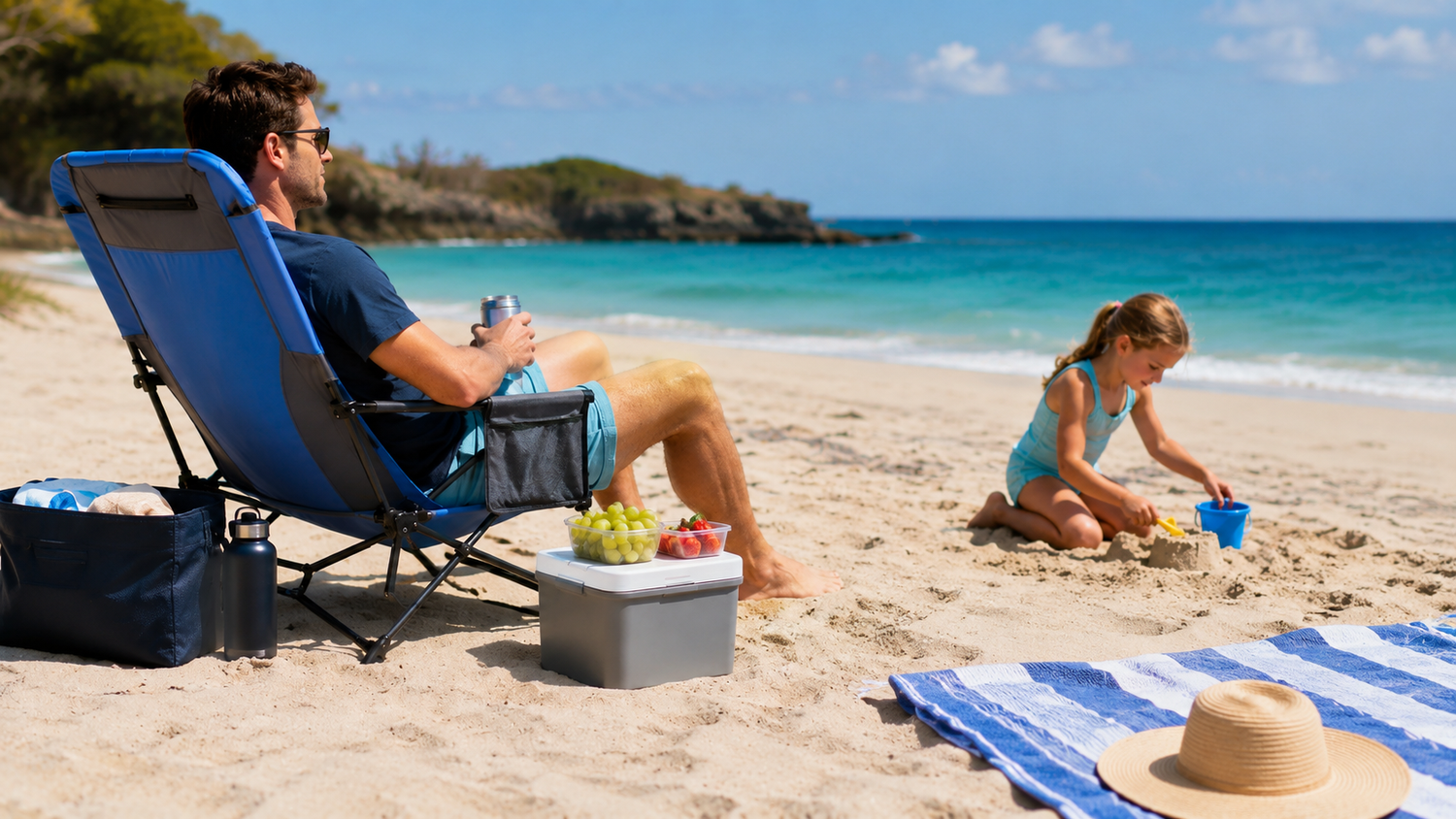
A beach chair gives you real back support and keeps sand off your gear, while a towel is lighter to carry but often leaves you sore and covered in grit after a few hours. For most people spending more than 90 minutes at the beach, the chair wins because it reduces strain and creates a cleaner place to sit.
Is a Beach Chair Better Than a Beach Towel for Your Next Trip?
For most full-day beach trips, a beach chair is the better choice, while a beach towel is only better for short stays or minimal packing.

Many people grab a towel because it weighs almost nothing and fits anywhere. Yet after a couple of hours on the sand, backs start to ache, clothes get gritty, and getting up feels hard. A beach chair changes that by giving your body support and lifting you above the sand. This choice matters most for families, older adults, and anyone who wants to stay comfortable all day.
The sections below walk through the main differences so you can decide what fits your day at the beach.
Physical Comfort: Back Support and Spinal Health
Sitting flat on a towel forces your lower back to sag into uneven sand. Over time, this creates lumbar strain that many doctors call "beach back." A chair with proper recline keeps your spine in a healthier position and cuts down on that pain.
Sitting on uneven sand for long periods may contribute to lower back discomfort because the spine lacks consistent support. Some ergonomic research suggests that a slightly reclined seating position may reduce pressure on the lower spine compared with sitting fully upright.
Most people feel fine for the first 90 minutes. After that, the lack of support often turns into real discomfort. If your beach trip usually lasts longer, a chair protects your back and helps you enjoy the day instead of counting the minutes until you can stand up.
Hygiene & Sand Exposure: Staying Clean at the Beach
Sand holds more bacteria than seawater in many spots, including E. coli and other germs. A towel puts you right in it. An elevated chair creates a simple barrier that keeps sand from sticking to skin, food, and bags.
Studies have found that beach sand can contain significantly higher concentrations of bacteria than the water. Raising yourself 8 to 12 inches makes a practical difference because less sand touches you directly.
600D Oxford cloth sheds sand far better than cotton towels because the tight weave stops fine grains from working their way in. This fabric is the industry sweet spot for outdoor chairs: tough, quick to clean, and resistant to sand sticking.

Mobility & Accessibility: How Easy It Is to Stand Up
Getting up from the sand can be tough on knees and hips, especially for older adults or anyone with joint pain. A chair with the right seat height makes the move much easier and safer.
For people with limited mobility, a moderately elevated chair can make standing up easier by reducing the effort required from the knees and hips, instead of scrambling from the ground.
Chairs in this height range also keep your lap clear of blowing sand and give you a stable spot to set drinks or snacks. If you or someone in your group has trouble with low seating, check seat height first before you buy.
Portability & Total Effort: Weight vs Real-World Convenience
A towel weighs almost nothing on the way to the beach. Once it gets wet and sandy, though, it turns heavy, messy, and hard to carry home. A good beach chair avoids much of that extra work.
Wet towels can become significantly heavier and harder to carry after absorbing water and sand on the walk back. Chairs built with 600D Oxford cloth resist water and let you shake most sand off in seconds. Many models now come with padded backpack straps or fit easily into beach wagons, so the carry feels lighter than it looks.
At the end of the day, you simply hose the chair down or wipe it clean. A sandy towel usually needs a full wash. When you add up the cleaning and hauling, many people find the chair creates less total effort for full-day trips.
Beach Chair vs Beach Towel: How to Pick the Right Setup for You
Choose a beach chair when you plan to stay longer than 90 minutes, have back or joint concerns, or want a clean place for kids and food. Go with a towel only for quick dips, where you carry minimal gear and do not mind sand on everything.
What to Look for in a Beach Chair
When choosing a beach chair, focus on these key factors:
- Weight capacity: At least 300 lbs for stability and safety
- Frame strength: Durable aluminum or steel construction
- Recline options: Multiple positions for better comfort
- Fabric quality: 600D polyester for durability and sand resistance
For families, pairing a beach chair with a beach wagon can significantly improve convenience. You can transport all your gear in one trip and still have a stable, comfortable seating setup once you arrive.

Helpful Guides
For long-term maintenance tips, see our article on how to extend your beach chair lifespan.
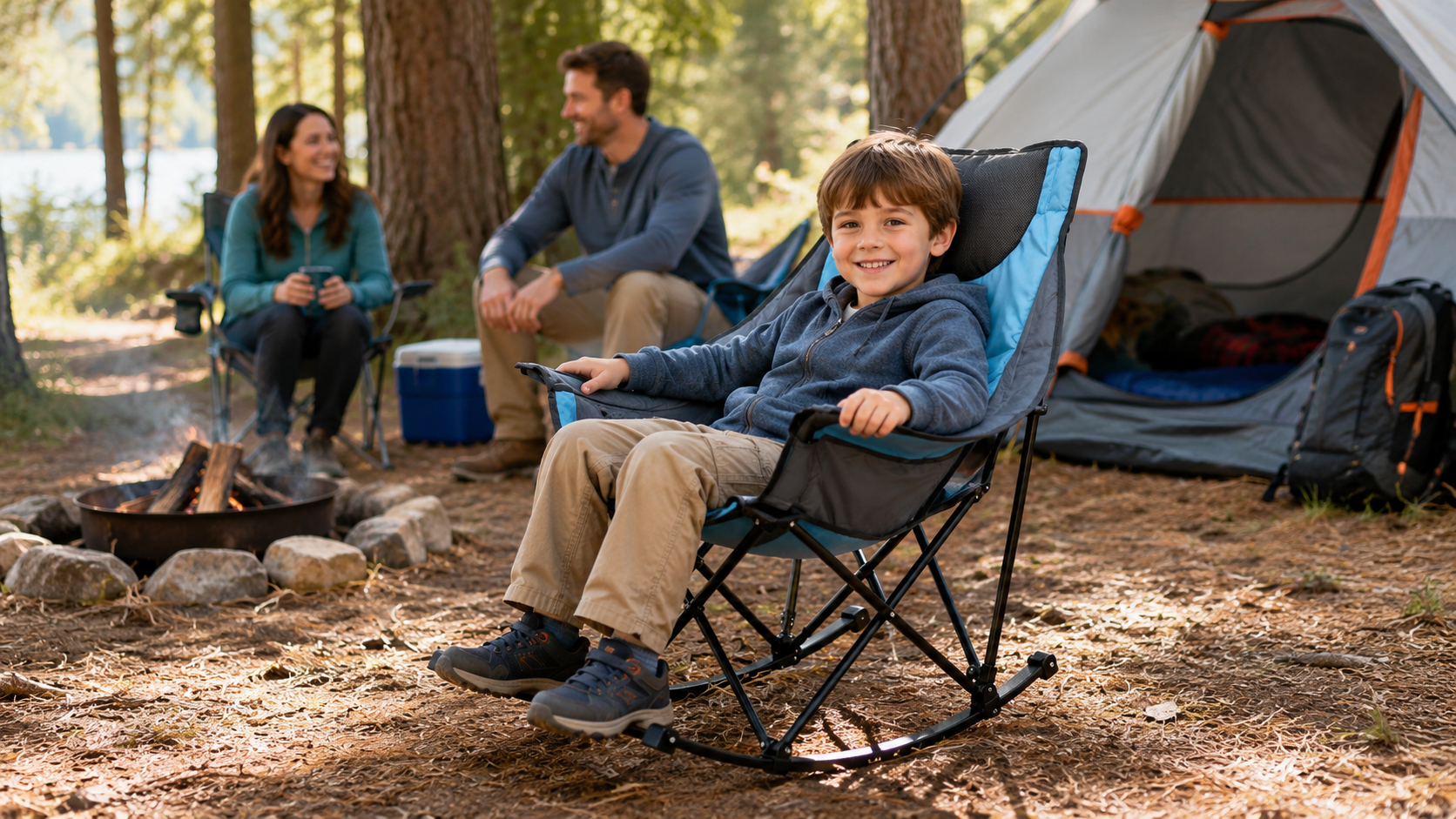
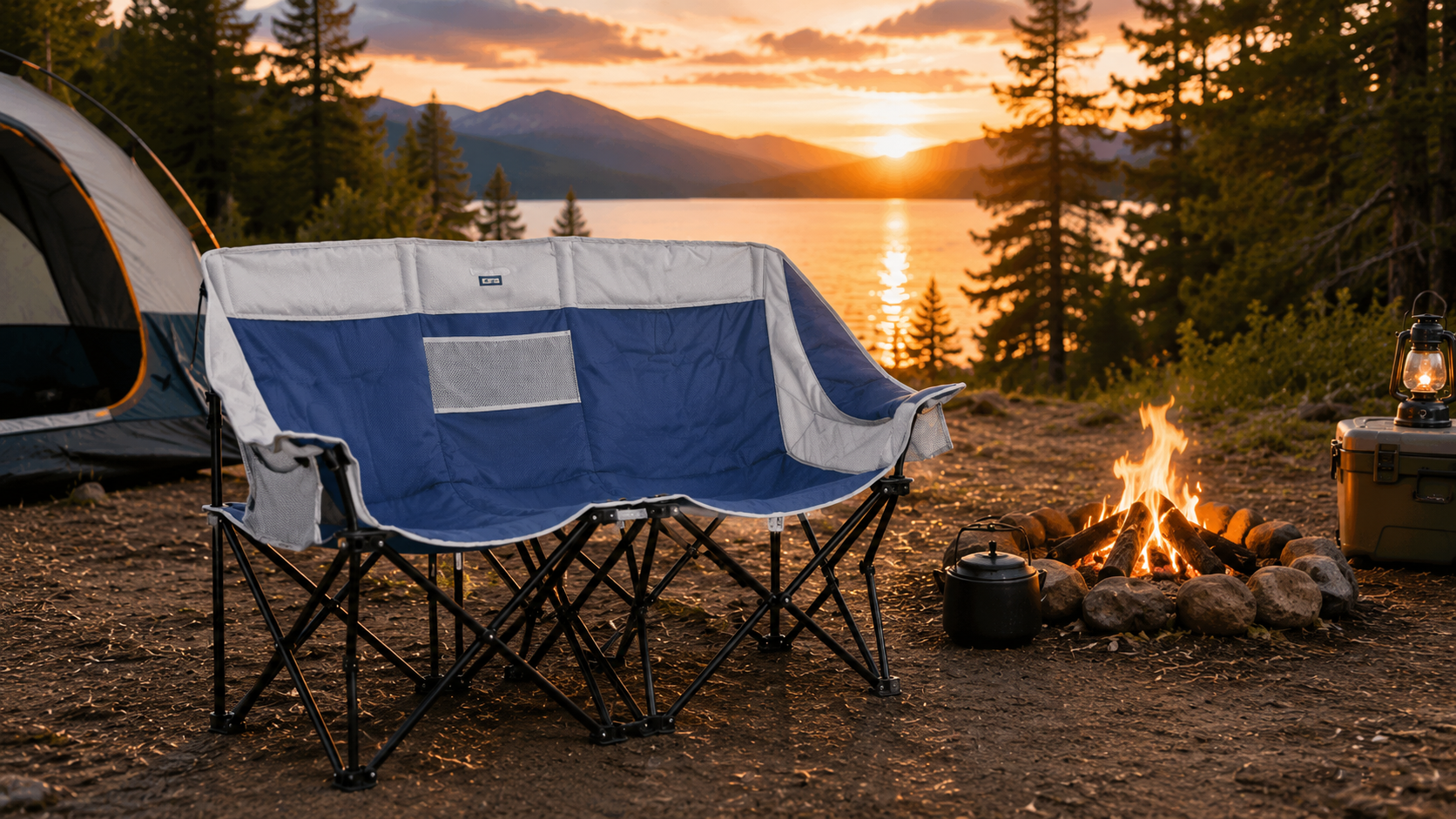
If you want to compare seating styles, check out beach chair vs camping chair.
FAQs
Q1: What is the best weight capacity for a beach chair in 2026?
Most quality beach chairs now support 300 to 500 pounds. Higher capacity frames use thicker aluminum or steel tubing and wider feet that resist sinking in soft sand. Check the listed weight limit before buying if you or family members are larger.
Q2: Does 600D Oxford cloth really resist sand better than cotton?
Yes. The tight weave and high denier rating stop fine sand from embedding in the fabric. Cotton towels absorb moisture and hold sand tightly, making them harder to clean after a beach day.
Q3: How much does a good portable beach chair weigh for airline travel?
Lightweight models with aluminum frames usually weigh 8 to 12 pounds. Many fit within 2026 carry-on limits when folded. Measure your airline's exact bag size, since some low-cost carriers have stricter rules than others.
Q4: Are elevated beach chairs worth the extra cost for families?
They are for most families who stay several hours. The raised seat keeps food and toys cleaner, gives parents a stable place to sit, and makes it easier for kids and grandparents to get in and out. The time saved on cleanup often pays for the chair after a couple of trips.


Leave a comment
This site is protected by hCaptcha and the hCaptcha Privacy Policy and Terms of Service apply.