
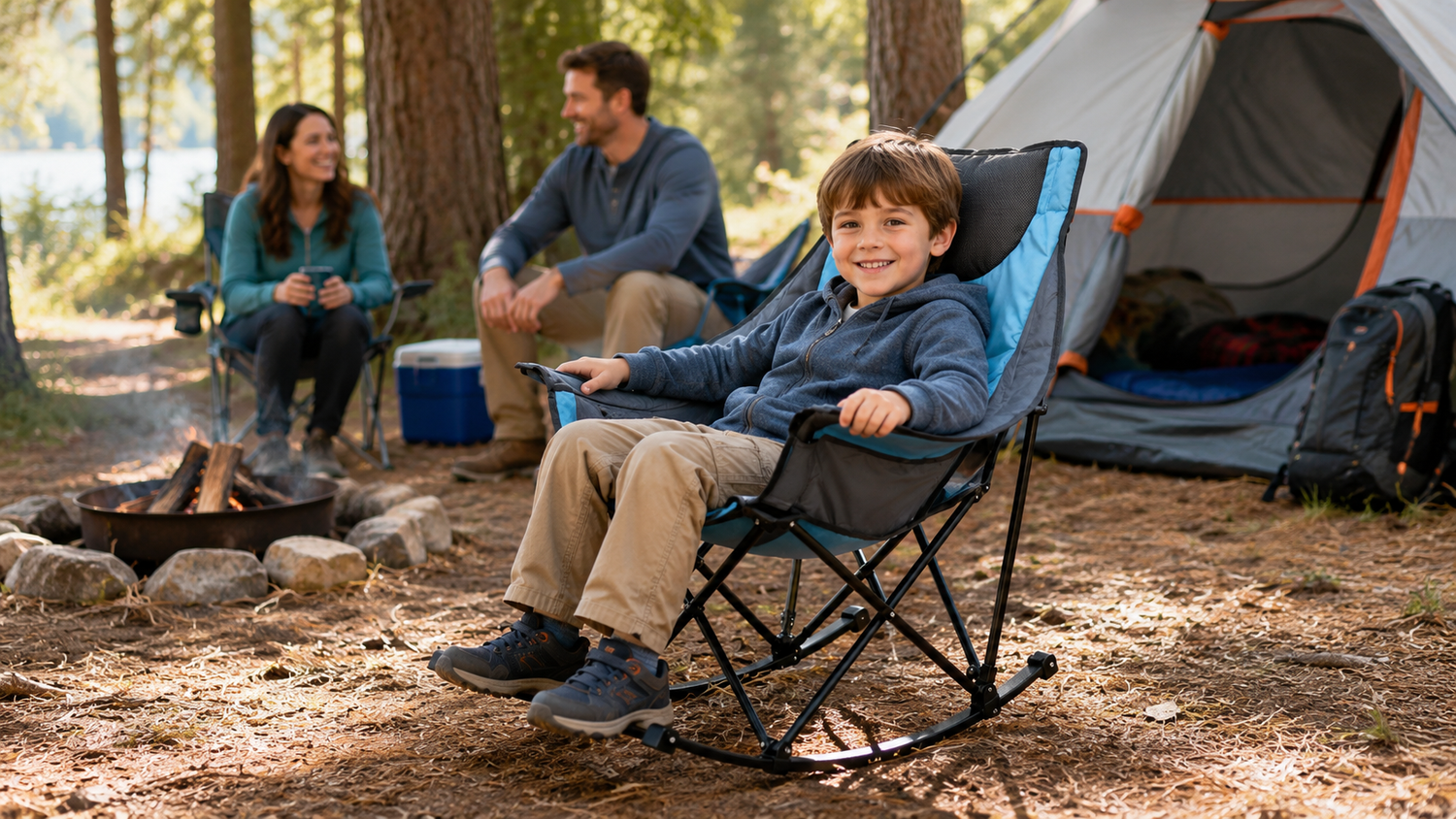
Taking children into nature brings great joy, but it also requires the right gear to keep them happy. Many parents pack adult-sized gear for their children, only to realize that big seats create discomfort and physical hazards. A standard seat leaves small legs dangling, cuts off blood flow, and easily tips over when a child tries to climb inside.
Giving children their own child-sized outdoor seating helps to solve these issues, making them happier and safer during the camping trip.

Why a Good Kids Camping Chair Matters for Family Trips
A proper kids camping chair fits a child's small body perfectly, allowing their feet to rest flat on the ground. This correct seating position removes pressure from their thighs and stops the constant fidgeting caused by discomfort and fatigue.
- Better Fit and Support: Child-sized dimensions give children better back support, allowing them to sit comfortably for long periods without stiffness.
- More Outdoor Comfort: A well-fitted seat keeps children relaxed during camping, beach trips, and sporting events. They can easily eat snacks or watch games without losing their balance.
- Easier Family Outings: These seats give children more independence because they can get in and out without help. This setup reduces the time parents spend assisting them and creates a personal space for each child, which helps reduce arguments over who sits where around the campfire.
Using the right size gear keeps your children calm and makes every outdoor trip smoother for everyone.
What to Look for in the Best Kids Camping Chairs for Outdoor Use
Finding the perfect balance of safety, size, and weight requires checking specific technical details before you spend your money on new gear.
Safety and Stability
- A safe camping chair for kids must have a low center of gravity and a wide base. This structural design stops the seat from tipping sideways or backward when a child leans over or suddenly shifts weight. Look for legs that angle outward slightly, as this design spreads weight across a larger surface area on dirt, sand, or grass.
- Locking mechanisms provide another layer of protection by keeping the frame open during use. Children move constantly, and a seat without a lock can fold up unexpectedly if a child bounces or scoots forward. Reliable models feature push-button pins or manual sliding rings that secure the metal bars in place until an adult releases them.
- Anti-pinch hinges protect small fingers from getting caught in moving parts. The joints should feature smooth plastic guards or fabric sleeves that cover the gaps where metal pieces meet. Check that all edges on the frame are rounded and free of sharp burrs that could scratch sensitive skin during setup or packing.
- Weight capacity serves as an indicator of overall construction strength. Choose a seat with a weight rating that exceeds your child’s current weight by at least twenty pounds to ensure the frame handles sudden impacts, like a child jumping into the seat. A balanced construction uses thick metal tubes and reinforced fabric seams to prevent sagging and bending.

Comfort and Proper Sizing
Seat height and back support directly dictate how long a child can sit comfortably. The distance from the ground to the seat fabric should match the child's lower leg length. If the seat sits too high, legs dangle, causing numbness. If it sits too low, knees push up toward the chest, putting stress on the lower back.
How to Check: You can identify an incorrectly sized seat by watching your child's posture. If the child constantly slumps sideways, slides forward, or curls their legs up, the seat is likely too large. Conversely, if their knees bend at a sharp upward angle or their shoulders extend far past the top fabric, the seat has become too small and lacks proper upper body support.
Pay Attention to Age and Weight Restrictions
Always check manufacturer guidelines regarding age, height, and weight limits before buying. Toddler options usually serve children from ages one to three, while standard youth models fit ages four to eight. Older children need larger youth versions that bridge the gap to adult sizes, ensuring the fabric width accommodates growing hips and shoulders.
Adjustable vs. Fixed-Size Options
Or, you can consider adjustable camping chair for your kids. Adjustable options offer excellent value by expanding as your child grows. Some seats feature adjustable armrests that slide up and down the metal frame, allowing you to change the arm height for better posture. On the other hand, fixed-size options lack this flexibility but often provide greater structural rigidity and fewer moving parts to maintain.
Lightweight and Easy to Carry
A high-quality lightweight camping chair allows children to take responsibility for their own gear.
- The total weight should stay low enough that a young child can walk with the item from the car to the campsite without complaining. Aluminum frames provide the best weight savings, though thin steel can also remain quite light.
- Foldable designs must operate smoothly so parents can open and close the item in seconds. The most common style compresses inward from four corners, forming a compact bundle. This collapsible action saves valuable space in the trunk of your car, leaving more room for sleeping bags, coolers, and tents.
- Compact storage matters for home organization as well as travel. Seats that fold into a tight cylindrical shape store easily in closets, garage shelves, or behind vehicle seats. Avoid bulky models that retain a wide shape when folded, as they create packing difficulties during long trips.
- Carry bags equipped with shoulder straps make transportation simple and hands-free. The bag fabric should match the durability of the seat itself to prevent poles from tearing through the bottom over time. A drawstring closure keeps dirt and debris inside the bag, protecting the rest of your luggage from camp grime.
Durable and Easy-Clean Materials
Frame material choice affects both longevity and weight.
Steel vs Aluminum Frames
Steel frames generally offer excellent strength and resistance to bending, making them ideal for rough use, though they can rust if exposed to moisture for long periods. Aluminum frames resist rust naturally and weigh much less, but they can bend under extreme stress if abused.
Polyester vs Nylon Fabrics
Polyester and nylon stand out as the top fabrics for outdoor seating. High-denier polyester resists tearing, stretching, and UV damage from continuous sun exposure. Nylon offers excellent flexibility and strength, though it can fade faster if left outside for days at a time. Look for double-stitched edges and heavy rivets at key stress points.
Water-Resistant, Wipe-Clean Materials for Outdoor Use
Water-resistant coatings allow parents to clean up spills and mud using a damp cloth or a quick spray from a garden hose. Materials that absorb water take a long time to dry, which leads to mildew smells and stained fabric. Choosing a wipe-clean fabric saves time and keeps the seat looking clean for years.
Features That Make Kids Camping Chairs More Fun for Children
Safety is the most important thing, but adding kid-friendly features will keep your kids excited to use their specific outdoor seats.
Cup Holders and Snack-Friendly Design
Integrated cup holders and snack pockets keep drinks and food within easy reach, minimizing spills on the ground. A mesh pocket built into the armrest stabilizes juice boxes or water bottles, preventing them from tipping over on uneven dirt. Some models include side storage pouches where children can keep their flashlights, small toys, or coloring books close at hand.
Bright Colors and Themed Prints
Bright colors and themed prints make the gear visually appealing to young minds. Many options feature animal shapes on the backrest, cartoon graphics, or vibrant primary colors that stand out in a natural environment. These designs help children identify their own belongings quickly and add an element of play to the campsite setup.
Canopy Chairs for Shade
Canopy attachments offer excellent sun protection for delicate skin during long days outside. A built-in fabric overhead shade blocks harmful UV rays, keeping the seating area cool and reducing the need to search for tree shade. Many overhead canopies fold down flat against the back of the seat when you do not need them.

Are Rocking or Reclining Features Worth It?
Rocking or reclining features add motion entertainment, but parents must evaluate if they fit their specific needs. Smooth rocking motions soothe tired children, but these mechanisms add weight and can create tip hazards on uneven ground. Reclining options offer comfort for naps but require extra space and mechanical parts that might fail over time.
Best Types of Kids Camping Chairs Available Today
Knowing the different types of youth seating will help you choose the style that works best for your family's outdoor activities.
Classic Quad Folding Chairs
The classic quad folding design remains the most popular style for general use. These portable chairs feature four vertical legs that collapse together into a neat bundle, mimicking standard adult models. They offer a balanced mix of stability, cup holder features, and affordability, making them a reliable choice for most families looking for a dependable kids camping chair.
Toddler Camping Chairs
Toddler options cater specifically to the smallest adventurers under three years old. These items sit extremely close to the ground, feature wide tray attachments for meals, and utilize five-point safety harnesses to secure the child. Their low height reduces the risk of injury if a toddler loses balance while climbing into the seat.
Low-Profile Chairs
Low-profile options feature short legs that keep the seat fabric just a few inches off the dirt. This style works exceptionally well on soft surfaces like sand or loose gravel, as the wide frame cannot sink deeply. They offer extreme stability because the child's weight sits close to the ground, greatly reducing the risk of tipping.
Canopy Chairs
Canopy options combine shelter and seating into a single unit. These designs remove the need to carry separate umbrellas or sun tents to the beach or soccer field. The shade mechanism attaches directly to the main frame, ensuring it remains stable even when gentle breezes blow across open spaces.
Oversized Chairs for Bigger Kids
Oversized options serve older children who have outgrown toddler gear but still find adult seats too spacious. These models offer wider seating areas, taller backrests, and higher weight limits while retaining the fun colors and lightweight benefits of youth gear. They provide a comfortable transition size that lasts for several years.
How to Choose the Right Chair for Different Activities and Settings
Matching the seat style to your specific destination ensures maximum comfort and saves you from carrying unnecessary weight.
- For family camping trips, prioritize durability, easy-clean fabrics, and integrated cup holders. The ground around campsites often contains rocks, roots, and mud, requiring collapsible camping chairs with sturdy feet that will not slip. Storage pockets are helpful here for keeping flashlights and small gear safe during the night.
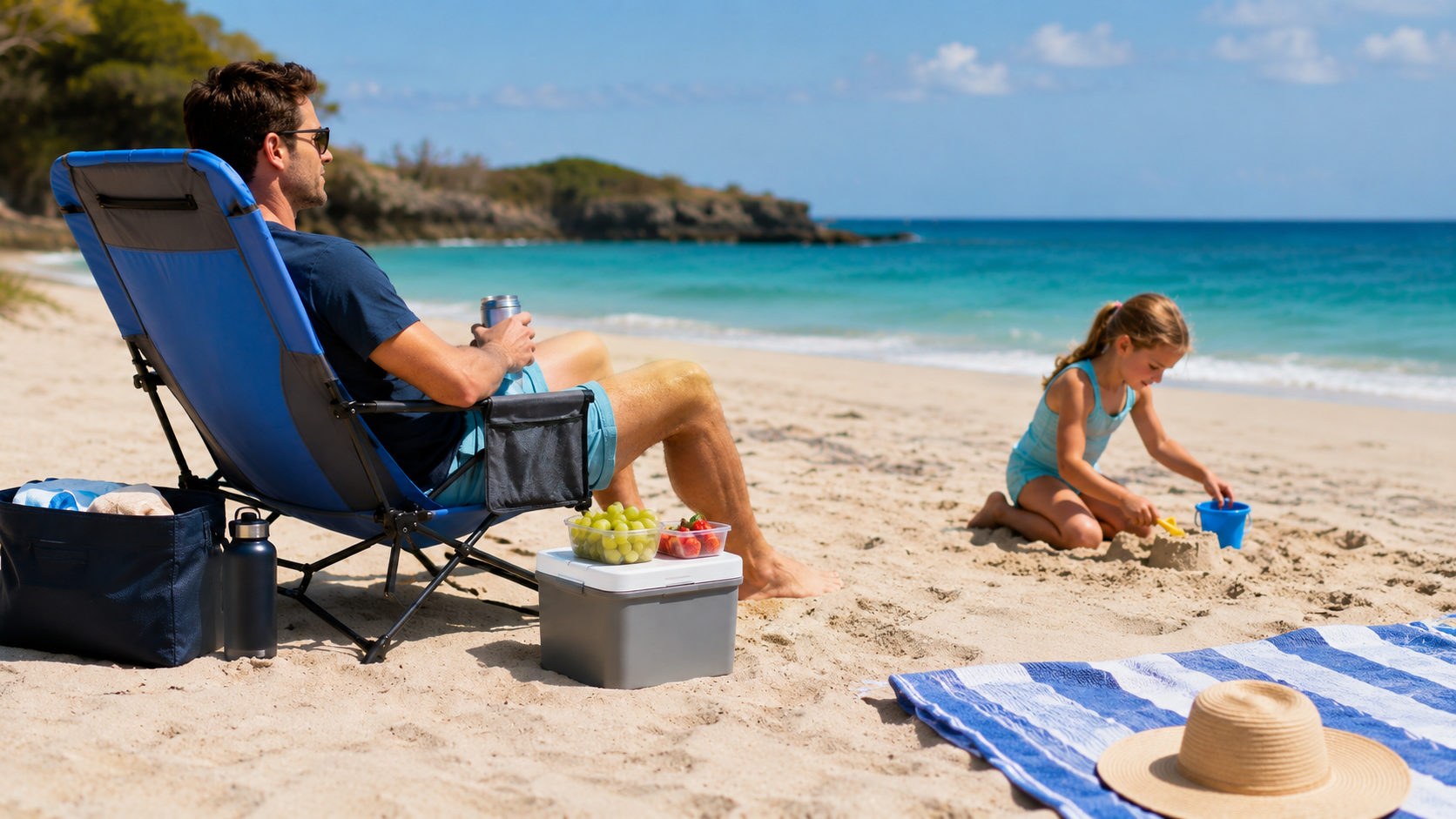
- Beach days and picnic outings require a focus on sand resistance and sun protection. A low-profile foldable portable chair prevents the frame from sinking into dry sand, while mesh panels allow air to circulate, keeping children cool in hot weather. Built-in canopies protect against intense sun glare when open spaces offer no natural shade.
- Attending sports games and festivals requires maximum portability and quick setup times. Look for a lightweight model equipped with a comfortable shoulder strap on the carry bag so you can walk long distances from parking lots easily. The folded size should stay small enough to fit under bleachers or inside crowded spectator zones.
- For backyard barbecues and indoor playrooms, visual appeal and floor protection take priority. Smooth rubber feet prevent metal poles from scratching hardwood floors or tearing indoor rugs. These seats provide extra accommodation when friends visit for movie nights or patio dinners, folding away neatly when the event concludes.
How to Use a Kids Camping Chair Safely on Every Outing
Your child's outdoor seat will stay safe and reliable for every trip as long as it is used correctly and is maintained regularly.
- Always position the seat on level, solid ground before letting your child sit down. Avoid placing the legs on steep slopes, loose rock piles, or slippery mud patches that could cause the base to shift out of alignment. Clear away large twigs, pinecones, and sharp stones from underneath the fabric area.
- Keep all children's seating a safe distance away from open campfires, hot grills, and cooking stoves. Sparks can fly out from burning wood, melting synthetic polyester fabrics instantly and causing serious burns. Establish a clear safety perimeter that keeps children close enough to enjoy the warmth but far enough to avoid heat hazards around open campfires.
- Teach your children proper sitting habits to prevent accidental falls. Explain that they should sit with their back against the rear support and both feet near the ground, avoiding standing on the seat fabric or leaning far over the armrests. Discourage rocking back on two legs, as this ruins the frame balance.
- Check the frame joints, rivets, and locking pins regularly for signs of wear or loosening. Look for frayed stitching along the seat edges and inspect the plastic feet for cracks that could let dirt enter the metal tubes. Catching small structural issues early prevents sudden failure while the seat is occupied.
- Clean and dry the entire unit thoroughly before storing it away for the winter season. Wipe off food spills, dirt, and sand using mild soap and warm water, then leave the seat open in a shaded area until completely dry. Storing damp gear inside a closed carry bag causes mold growth that destroys fabric strength.
Choose the Best Kids Camping Chairs for Stress-Free Trips
Picking the right kids camping chair gives your child a safe, stable place to relax outdoors. Focus on a strong frame, correct sizing, and easy cleaning rather than bright colors or patterns. The right choice prevents tips, keeps your little ones comfortable, and makes packing simple. Good gear means less stress for you and more fun for the whole family.
FAQs
Q1: What age is a kids camping chair suitable for?
Most youth models serve children between the ages of two and eight. Toddler-specific styles feature safety harnesses for children under three, while larger youth models accommodate older children up to eighty pounds before they need adult sizes.
Q2: What features matter most in a safe kids camping chair?
Safety depends on a low center of gravity, wide-angled legs, automatic locking pins to prevent unexpected folding, and covered hinges that protect fingers from pinching. Strong fabric and high weight ratings also indicate a durable, secure build.
Q3: Are lightweight kids camping chairs durable enough?
Yes. Options made with thick aluminum frames and high-denier polyester fabrics offer excellent strength without adding extra weight. They resist tearing and bending while remaining light enough for a child to carry easily.
Q4: Can kids camping chairs be used for the beach, backyard, and sports events?
These versatile kids camping chairs work perfectly across various settings. Low-profile versions excel on sandy beaches, rubber-footed styles protect indoor floors, and compact folding designs make transportation to sporting events simple and stress-free.



Leave a comment
This site is protected by hCaptcha and the hCaptcha Privacy Policy and Terms of Service apply.