
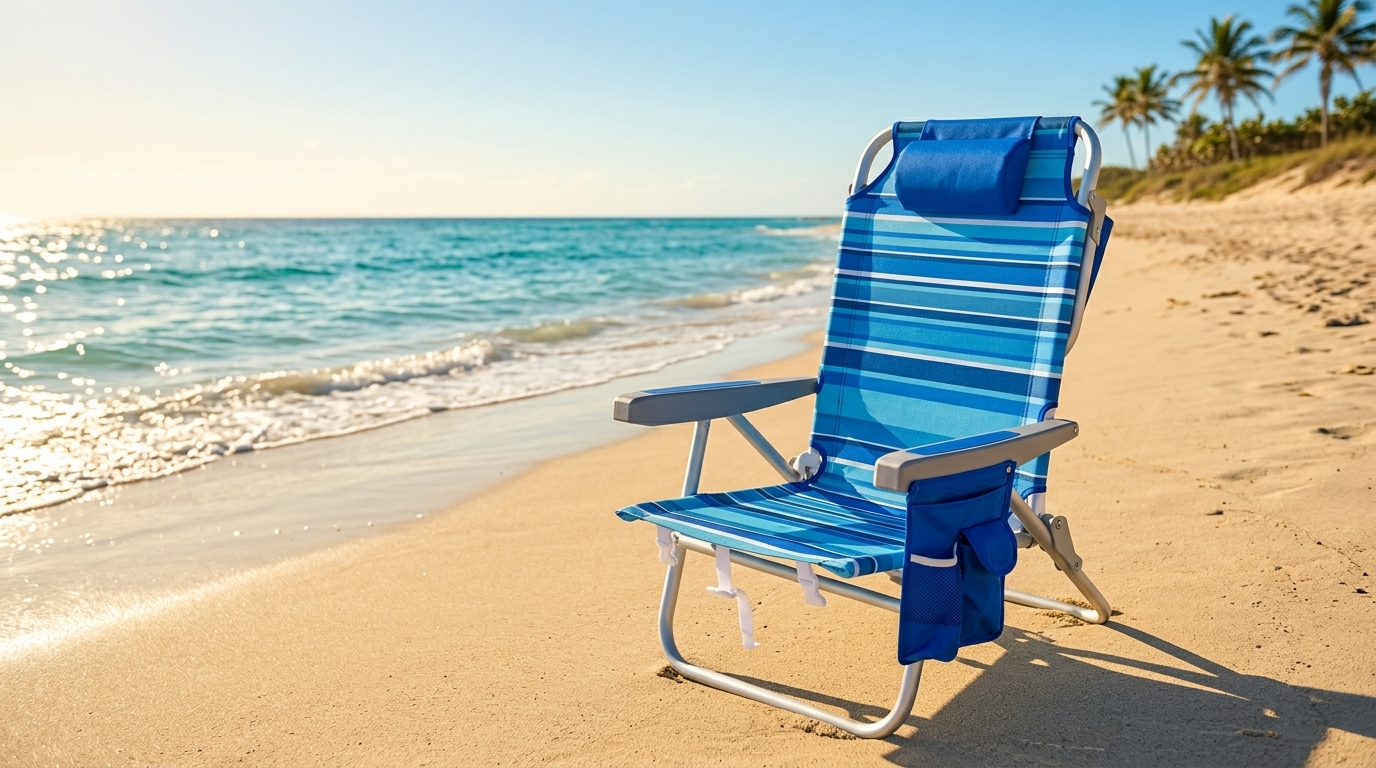
Beach chairs face constant stress from sun, salt, and sand. A chair might look nice but quickly peel or grow mold if the materials are weak. Many waterproof claims do not hold up at the coast. You need gear that handles moisture without falling apart. This list shows which fabrics and frames actually work. It helps you find a durable chair that fits your budget and stays in top shape for years.

What "Waterproof" Really Means for Beach Chairs
"Waterproof" and "water-resistant" are not the same thing. If you know these terms, you won't bring a soaked chair home after a beach day.
Waterproof vs Water-Resistant vs Quick-Dry
- A waterproof beach chair uses coated or laminated materials designed to resist water penetration under normal use conditions.
- Water-resistant or water-repellent materials can handle light mist or a quick splash, but if they sit in a puddle or get caught in a downpour, the moisture will eventually seep through.
- Quick-dry fabrics might actually absorb some water, but they are designed with open weaves or special fibers that allow moisture to evaporate rapidly.
Often, a combination of these traits is best. You want a chair that stays dry, but if it does get wet, you want it to be ready for the trunk of your car in minutes rather than hours.
The Three Parts of a Waterproof Beach Chair
A durable seat relies on three separate components working together:
- The Fabric or Sling: This is the part you sit on. It must resist stretching and mildew.
- The Frame: Usually made of metal, wood, or plastic, the frame must withstand moisture without rusting or snapping.
- Coatings and Finishes: These are invisible layers applied to the fabric and frame to block UV rays and water.
If the fabric is waterproof but the frame is cheap steel, your chair will be a pile of rust by August. The whole system needs to be moisture-ready.
Waterproof Fabric Options for Beach Chairs: Pros and Cons
The fabric carries your weight and takes the most abuse from the sun. Different textiles offer varying levels of protection, comfort, and price points to suit different types of beachgoers.

Polyester: The All-Rounder
A polyester beach chair is the most common sight on the sand today. Manufacturers often use Oxford fabric, which is a specific type of polyester weave known for being tough and thick.
- Pros: It is affordable, strong, and handles basic water exposure well. It is also very easy to wipe down after a day in the sand.
- Cons: Basic polyester can fade if left in the sun too long. If it isn't treated for outdoor use, the fibers can become brittle and rip.
- Best for: Families who go to the beach a few times a summer and want a solid, budget-friendly option.
PVC-Coated / Vinyl-Coated Polyester: Heavy-Duty Protection
This material takes a polyester base and covers it in a thick plastic layer. It is the powerhouse of waterproof seating.
- Pros: It is highly resistant to water penetration under normal conditions. It resists mildew, salt spray, and heavy wear.
- Cons: Because it is essentially coated in plastic, it can feel sticky against your skin on a 90-degree day. It also isn't as soft as plain fabric.
- Best for: Rental companies, beach clubs, or anyone who wants a chair that can live outside all season.
Nylon: Lightweight and Quick-Drying
Nylon is popular for "backpack" style chairs because it is incredibly light.
- Pros: It dries faster than almost any other solid fabric. It packs down small, making it great for hiking to hidden coves.
- Cons: Nylon has a tendency to stretch when wet, leading to a "sagging" feeling. It also struggles with UV damage unless it has a high-quality protective coating.
- Best for: People who have to carry their gear a long way or those who travel often.
Solution-Dyed Acrylic
This is a premium fabric where the color is added while the fiber is still liquid. This means the color goes all the way through, like a carrot, rather than just being painted on the outside like a radish.
- Pros: It has amazing resistance to fading. It feels soft like indoor furniture but still repels water and dries quickly.
- Cons: It is significantly more expensive than polyester or nylon.
- Best for: High-end patios, balconies, or people who want their gear to look brand new for years.
Mesh and Sling Fabrics
These are the breathable materials often seen on a rust-proof beach chair designed for poolside.
- Pros: Water falls right through the holes in the weave. There is zero pooling, and the airflow keeps your back cool.
- Cons: It doesn't offer the "cushioned" feel of a padded polyester seat.
- Best for: Hot climates where you spend half your time in the water and the other half in your chair.
| Fabric Type | Best For | Key Pros | Key Cons | Feel & Breathability |
| Polyester (Oxford) | Casual family trips; budget buyers | Affordable, strong, easy to clean | Fades and weakens in heavy sun | Balanced comfort; moderate air flow |
| PVC-Coated Polyester | Rental clubs; long-term outdoor use | waterproof, resists salt and mildew | Can feel hot; not soft to the touch | Firm and plastic-like; low breathability |
| Nylon | Hikers; frequent travelers | Super lightweight, dries very fast | Stretches when wet; needs UV coating | Soft and flexible; high packability |
| Solution-Dyed Acrylic | Luxury patios; long-term durability | Best fade resistance; stays soft | Higher price point | Soft like indoor fabric; breathable |
| Mesh / Sling | Hot climates; use with wet swimwear | No water pooling; dries instantly | Less padding or "cushion" | Best airflow; stays very cool |
Frames and Coatings: The Other Half of Waterproof Performance
While the fabric keeps your clothes dry, the frame keeps you off the ground. Selecting the right frame material is the only way to ensure your chair survives the salty air.

Aluminum vs Steel vs Plastic Frames
- An aluminum beach chair is widely considered the gold standard. Aluminum naturally forms a protective layer that prevents deep corrosion. It is also very light.
- Steel is stronger and cheaper but will rust almost immediately if the paint chips and salt hits the bare metal.
- Plastic or resin frames are great because they can't rust, but cheap versions might crack if they sit in the sun too long.
Protective Coatings That Make a Difference
Look for "powder-coated" labels on metal frames. Powder coating is a dry powder applied heat-cured into a hard skin. It is much tougher than standard spray paint.
Additionally, UV-resistant finishes are applied to fabrics to stop the sun from "sun-burning" the material, which causes it to lose its waterproof strength.
Comfort vs Waterproofing: Finding the Right Balance
Sometimes the most waterproof chair isn't the most comfortable one. You have to decide if you want a chair that feels like a couch or one that can stay out in a storm.
How Different Fabrics Feel
- Smooth, plastic-coated fabrics are the easiest to clean, but they can feel stiff.
- Textured fabrics like Oxford fabric feel more like a traditional seat but might hold onto a little more sand.
- Mesh is the firmest option because it has to be pulled tight across the frame to support your weight.
Breathability and Heat
If a fabric is 100% airtight and waterproof, it won't let air reach your skin. On a hot day, this creates a "sweaty" feeling. This is why many people prefer a waterproof beach chair that uses mesh panels. It balances the need to stay dry with the need to stay cool.
How to Choose the Best Waterproof Material for Your Beach Chair
The right choice depends on your habits. A person living in a coastal apartment has different needs than someone who drives to the lake once a year.
Start with Your Use Case
- If you go every weekend, you need durable sand chairs with heavy-duty fabrics.
- If you leave your chair on a balcony, UV resistance is your top priority.
- If you only visit a lake, you might not need the high-end salt protection of an aluminum frame.
Match Material to Your Priorities
- If you need a chair to last a long time near the salt and sun, choose PVC-coated polyester with an aluminum frame.
- If you want a soft feel and a great look for your deck, go with solution-dyed acrylic fabrics.
- If you need to carry your chair easily, pick nylon or light polyester with a small, compact frame.
- If you hate sitting on a wet seat, choose mesh or sling materials that let water drain and dry quickly.
Key Specs and Phrases to Look For
Check the product description for these specific phrases to ensure you get a quality chair:
- "Outdoor or marine-grade fabric": This means the material is built for the toughest wet conditions.
- "UV-resistant or fade-resistant": These terms show the chair will keep its color and strength in the sun.
- "Mildew-resistant or mold-resistant": This ensures the fabric won't grow spots or smell if it gets damp.
- "Rust-proof aluminum frame" or "powder-coated steel frame": These phrases prove the metal is treated to stop rust from forming.
Care Tips to Keep Waterproof Materials Working Longer
A few minutes of maintenance can double the life of your equipment and keep the waterproof layers intact.
Simple Maintenance After Beach Days
Salt is the enemy of all outdoor gear. Always rinse your chair with fresh water from a hose after a trip to the ocean. This removes salt crystals that act like sandpaper on the fabric and coatings.
Always let the chair dry completely in the sun before you fold it up and put it in the garage. Storing a wet chair is the fastest way to grow mold.
When to Use Extra Protection
If you notice water is no longer beading up on the fabric, you can use a fabric protector spray. These sprays add a fresh layer of water repellency. Also, if you see a scratch on a metal frame, hit it with a little bit of outdoor paint to seal the metal before rust can start.
Picking the Best Waterproof Beach Chair Materials
A great beach day starts with a chair that stays dry and strong. PVC-coated fabrics paired with aluminum frames offer the best protection against salt. For a softer feel, look for treated polyester that handles sun and splashes. Always check the labels for UV and rust resistance. When you match the materials to your habits, you get a chair that looks good and lasts through years of sand and sun.
FAQs: Waterproof Materials for Beach Chairs
Q1: Are all "waterproof" beach chairs truly waterproof?
No. Many are just water-resistant. This means they can handle a little moisture, but they will get soaked if submerged. Always check if the fabric is "coated" or "marine-grade" to ensure it truly blocks water.
Q2: What is the most durable material for beach chair fabric?
PVC-coated polyester and solution-dyed acrylic are the leaders. PVC-coated is better for resisting physical wear and water, while solution-dyed acrylic is better for resisting sun damage and staying soft.
Q3: Will waterproof materials make the chair feel hot or sticky?
They can. Solid plastic-coated fabrics don't breathe well. If you worry about heat, look for a chair with mesh sections or a beach chair with umbrella to keep the sun off the fabric surface.


Leave a comment
This site is protected by hCaptcha and the hCaptcha Privacy Policy and Terms of Service apply.