
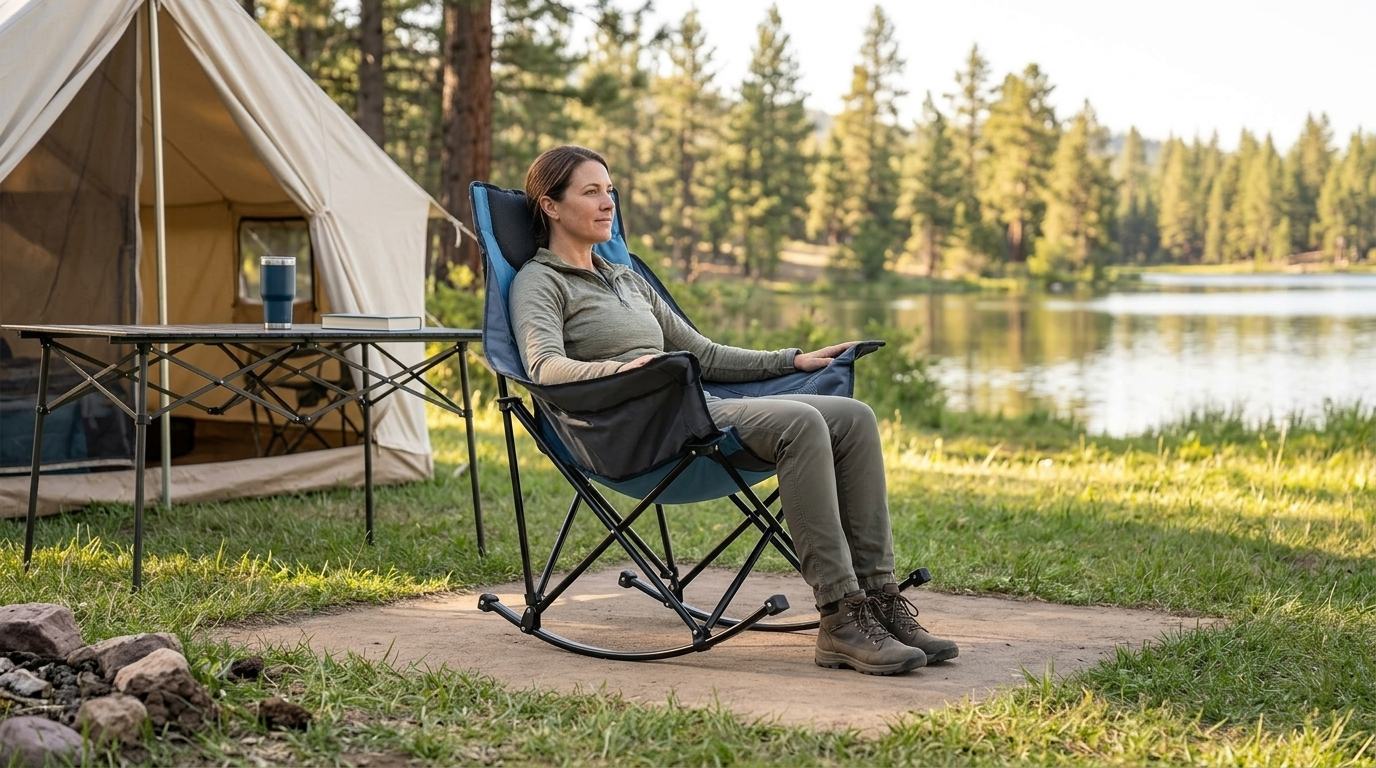
Sitting outside should be a relaxing experience. If you are at a music festival, waiting for a fish to bite, or relaxing in your own backyard, your seat plays a huge role in your mood. A bad chair can turn a fun afternoon into a painful ordeal for your back and hips. Even a durable camping chair can feel stiff or awkward if it does not have enough padding or the right support.
You do not have to throw away your current gear to get a better experience. There are many ways to fix a stiff or sagging seat using simple items and smart setup tricks.

Why Your Camping Chair Feels Uncomfortable
If your seat feels bad, it usually isn't just because the fabric is tough. Most problems start because the chair does not support your body's natural shape or keeps you in a cramped position for too long. Discomfort often comes from a few specific areas.
- Many camping chairs lack lower back support, which makes your spine curve in an unhealthy way.
- If the seat material is thin or has started to sag, your hips might sink lower than your knees. This puts a lot of stress on your joints.
- Sometimes the chair height is the issue; if it is too low, your legs feel cramped, and if it is too high, the front edge of the seat cuts into your thighs.
- Even the ground matters. If you set up on a slope, your muscles have to work hard just to keep you from sliding out, leading to quick fatigue.
Start with the Right Chair Setup
Setting up your gear correctly is the first step toward a better experience. A few seconds of planning where and how you place your seat can prevent aches before they even start.
- Before you sit down, look at the ground. You need a flat, stable surface so the frame stays level.
- If the chair design allows for it, adjust the sitting angle to find a spot that feels natural.
- Keep your feet flat on the grass or dirt. This helps distribute your weight evenly across the seat and floor.
- Instead of hunching your shoulders, let the armrests take the weight of your arms.
- Try to sit back far enough so the fabric supports you, but do not let yourself sink so deep that your lower back strains to keep you upright.
Add Cushioning for Better Seat Comfort
Adding a layer of soft material is the fastest way to upgrade any basic seat. Extra padding protects your pressure points and makes a thin fabric seat feel like a luxury lounge.
- You can buy a dedicated seat cushion made for outdoor use. Look for materials that are breathable and dry quickly if they get rained on. Memory foam is great for molding to your body, while gel cushions stay cool and provide firm support.
- If you do not want to buy anything new, a folded blanket or a thick towel works surprisingly well. Placing a cushion under your seat reduces the pressure on your hips and thighs. This is very helpful during long events where you might be sitting for several hours at a time.

Improve Back and Neck Support
Ergonomics are the most important factor for long-term comfort. If your spine stays in a good position, you can sit for much longer without feeling the need to get up and pace around.
- To fix a lack of lumbar support, place a small pillow or a tightly rolled towel in the curve of your lower back. This simple fix keeps your spine in its natural "S" shape.
- If you have a high-back chair, a small neck pillow can prevent your head from tilting too far back.
- If you own a reclining camping chair, be careful with the angle. You want a position that lets you lean back without losing the support under your shoulder blades. Always check if the back of the chair is too short for your height, as a low back can leave your upper body feeling unsupported.
Reduce Pressure on Legs and Arms
True comfort involves your whole body. If your legs are dangling or your arms are resting on hard plastic, you will eventually feel restless and need to move your seat.
- A footrest or a small stool can make a massive difference. Elevating your legs helps with blood flow and takes the weight off the back of your thighs.
- If the front edge of your chair feels sharp, adding a bit of padding there can stop it from pinching your legs.
- Hard armrests can be covered with soft fabric or foam wraps to protect your elbows.
- Also, think about how you reach for your things. Keep your drinks and bags close by so you do not have to twist your torso repeatedly, which can pull muscles in your back.
Use Camping Chair Accessories That Increase Comfort
Accessories are a practical way to turn a basic seat into a custom relaxation station. These add-ons are designed to solve specific problems like lack of storage or poor posture. There are many options available depending on what you need. Comfortable camping chairs often come with these built-in, but you can add them to almost any model.
- Seat cushions and lumbar pillows: These provide the primary support for your torso.
- Headrests and footrests: These help you stretch out and relax your neck.
- Cup holders and side organizers: These keep your phone and water within reach so you stay still.
- Sun shades or canopies: These protect you from heat, which makes sitting much more pleasant.
The best accessories for you will depend on whether you value physical support, convenience, or staying dry and cool.
Wear the Right Clothing for Sitting Outdoors
What you wear affects how you feel in your chair. Clothing that is too tight or has heavy seams can become very annoying after you have been sitting still for an hour.
Choose clothes that do not have bulky seams on the back or bottom, as these create pressure points against the chair fabric. In hot weather, wear breathable fabrics to prevent sweat from making the seat feel sticky.
If it is cold, use insulated layers so you do not feel the chill coming through the bottom of the chair. Pick pants and shirts that allow you to move your legs and arms freely. This prevents the fabric from bunching up and pinching your skin while you are trying to relax.
Know When It's Time to Upgrade Your Camping Chair
Sometimes, no amount of pillows or towels can fix a fundamentally broken design. It is important to recognize when your gear has reached the end of its useful life.
- If you still feel sharp back pain after just a few minutes, the chair might not fit your body type.
- Check the seat fabric; if it is overstretched or sagging to the point where you feel the metal frame, it is time for a change.
- An unstable or wobbly frame is also a sign of danger.
- If you decide to buy a new one, look for a padded camping chair or an ergonomic camping chair. These are built with better shapes and thicker materials from the start. High-back models and those with sturdy construction are usually worth the extra cost for the relief they provide.
Best Practices for Long Hours in a Camping Chair
Good habits are just as important as good gear. Even in the most expensive camping chairs, your body needs to move to stay feeling fresh and flexible.
- Try to change your sitting position every now and then. This shifts the weight to different muscles and keeps your blood moving.
- A good rule is to stand up and stretch for a minute every 30 to 60 minutes.
- Avoid slouching or leaning to one side for a long time, as this creates imbalances in your hips.
- Occasionally shifting your weight from side to side can reduce pressure on your sitting bones.
- Finally, keep your essentials, like snacks or your book, in a place where you can reach them without straining.

Boost Your Camping Chair Comfort Today
You can fix a stiff seat without spending much money. Simple tweaks like adding a cushion or leveling the ground change how you feel during a long day outside. Focus on supporting your back and keeping your gear close. These small upgrades turn a basic seat into the best spot at the campsite. Grab a pillow, adjust your setup, and enjoy a pain-free time in the great outdoors.
FAQs
Q1: How can I make my camping chair more comfortable without buying a new one?
You can improve your current chair by adding a seat cushion for padding and a rolled towel for lumbar support. Using a footrest and making sure you are on level ground also helps a lot.
Q2: What is the best cushion for a camping chair?
A cushion that is portable and made of breathable fabric is usually the best choice. Memory foam provides great contouring, while gel cushions are excellent for reducing pressure and staying cool in the heat.
Q3: Why does my back hurt after sitting in a camping chair?
Back pain is typically caused by a lack of support for the natural curve of your spine. This happens if the chair back is too low, the seat fabric is sagging, or if you are slouching because there is no lumbar support.
Q4: Are camping chair accessories worth buying?
Yes, they are worth it if you spend a lot of time outdoors. Accessories like footrests, headrests, and side pockets make sitting more convenient and help your body stay in a more natural, relaxed position.



Leave a comment
This site is protected by hCaptcha and the hCaptcha Privacy Policy and Terms of Service apply.