
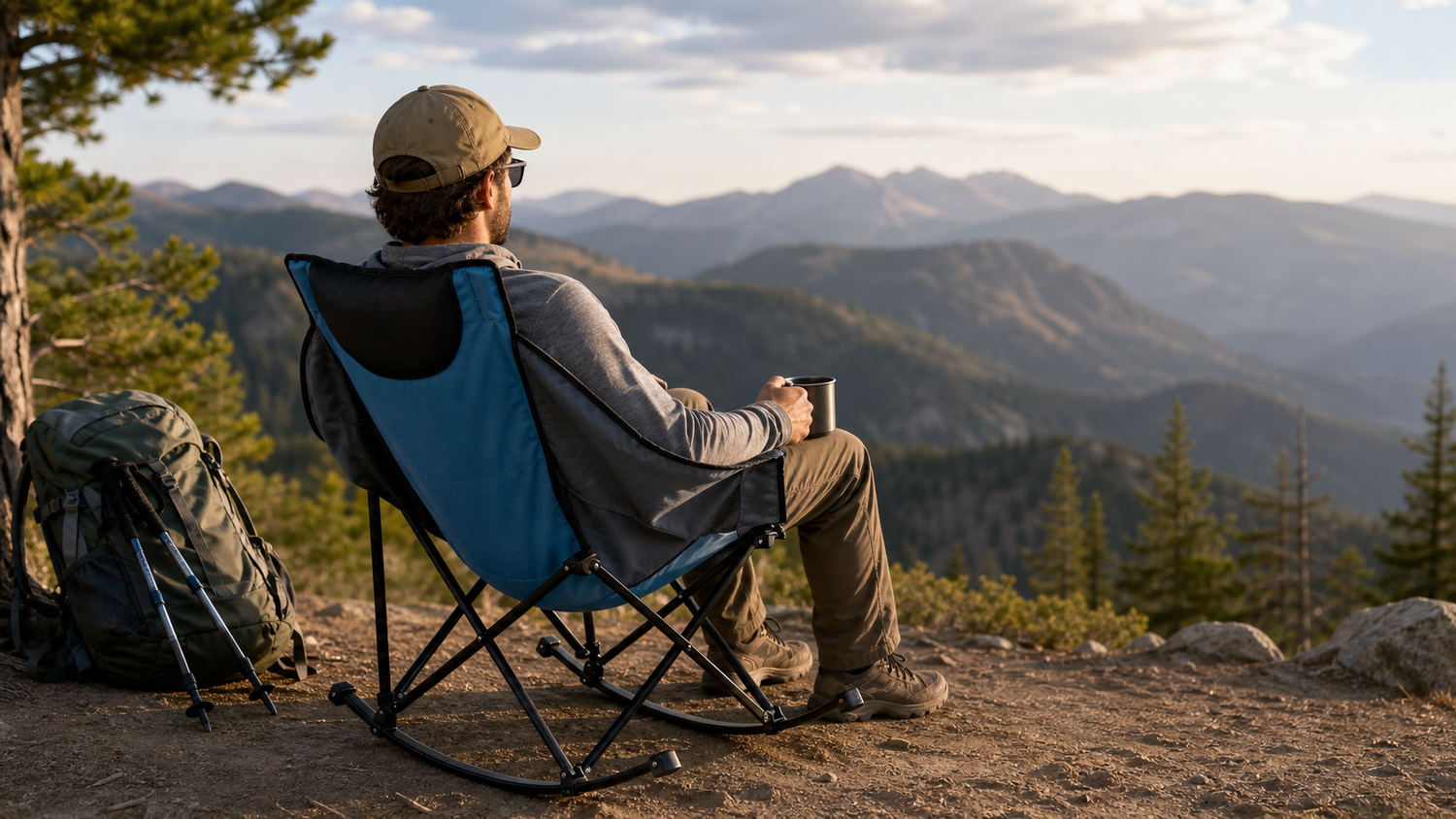
Many people suggest that a lightweight hiking chair is a smart upgrade for a modern kit. While these chairs offer a huge boost in comfort, they aren't the right choice for every single hiker or every type of trail.
This look at camp seating will help you decide if a chair earns its spot in your pack based on comfort, weight, stability, and how long you plan to be out in the woods.

Why Hikers Consider Lightweight Chairs in the First Place
Modern gear is getting much lighter, making it easier to carry a few comforts on long-distance treks. A lightweight camping chair is a popular choice for those who want to improve their time at camp.
Hikers often choose to bring a chair for these reasons:
- Better rest: Sitting off the ground helps muscles relax more fully after a long day of walking.
- Back support: Unlike rocks or logs, a chair supports your spine and reduces stiffness.
- Mealtime comfort: Eating and organizing gear is simpler when you have a stable, upright seat.
- Better morale: Having a cozy place to sit during evenings makes multi-day trips more fun.
While the benefits are clear, you must decide if this added comfort is worth the extra ounces in your pack.
What Counts as a Lightweight Hiking Chair?
In the world of outdoor gear, "lightweight" is a broad term. Here is how the different categories usually break down:
- Ultralight Chairs: These are the featherweights. An ultralight hiking chair usually weighs between one and 1.5 pounds. They use thin but strong aluminum poles and high-tech fabrics to keep weight at a minimum.
- Standard Lightweight Chairs: These often weigh between two and three pounds. While slightly heavier, a lightweight camping chair in this class usually offers a wider seat and better stability on soft soil.
- Minimalist Alternatives: This category includes small foldable stools or foam sit pads. A stool has no backrest but keeps you off the ground, while a pad is just a layer of protection between you and the dirt.
It is important to remember that the lightest backpacking chair on the market might be very small. If you are tall or have a larger frame, a slightly heavier model might actually be "lighter" on your body because it provides better rest.

The Main Benefits of Lightweight Hiking Chairs
Adding a chair to your pack significantly improves your experience once you stop moving. These tools are built to offer maximum relief with minimal bulk. The top reasons to carry a lightweight backpacking chair include:
- Easy to carry: They weigh much less than standard folding chairs, making them manageable for long distances.
- Small size: Most models fold down to the size of a water bottle, fitting easily inside your pack or side pockets.
- Superior comfort: You avoid sitting on sharp rocks, damp logs, or uneven dirt.
- Faster recovery: Leaning back lets your core and leg muscles fully relax, which helps reduce fatigue.
- Great for long breaks: If you spend hours at camp cooking or fishing, a chair provides a dry, bug-free place to sit.
When you can rest deeply, your energy levels stay higher. This comfort makes the entire trip feel less like a struggle and more like a vacation.
The Downsides You Should Not Ignore
Despite the perks, adding a chair to your gear list comes with some clear trade-offs. You have to weigh the physical strain of carrying extra ounces against the relief you get at camp.
- Weight is the most obvious drawback. Even an ultralight hiking chair adds about 16 to 24 ounces to your pack. On a long-distance trek, every ounce matters, and that weight could instead be used for extra food or more water.
- Stability can also be an issue. To save weight, many chairs have a narrow footprint. This makes them prone to sinking into mud or tipping over on uneven forest floors.
- Setup time is another factor. If you are only stopping for five minutes, you likely won't take the time to assemble a chair. If your goal is to hike until dark and sleep immediately, the chair stays in your pack unused.
- Also, many lightweight models sit very low to the ground. For hikers with knee issues, getting in and out of a low seat can be more work than it is worth.
Are Lightweight Hiking Chairs Good for Long Trips?
Deciding to pack a chair depends on your hiking style, the ground you cover, and what you value most. The answer is not the same for everyone. Think about these specific situations:
- Relaxed trips: If you finish hiking early and spend hours at camp, a chair is worth the weight.
- Physical recovery: If you prioritize resting your back and joints to feel better the next day, bring one.
- High-mileage days: For fast hikers doing 20+ miles a day, a chair is often a burden. You will likely go straight to sleep and never use it.
- Ultralight goals: If you want the lightest pack possible, skipping the chair is the easiest way to save over a pound.
Terrain also plays a role. In rocky deserts or wet forests, natural seating is hard to find. In those cases, an ultralight hiking chair becomes a vital tool. If the woods have plenty of dry logs, you might not need one. Ultimately, a chair is good for long trips if you actually have the time to sit and enjoy it.
Who Will Benefit Most From Bringing One?
For some hikers, a chair is not just a nice-to-have, it's a must-have for staying on the road. Getting clear on your needs can help you figure out if you belong in this group.
- Social Hikers: If you enjoy group meals and hanging out at camp, you will love having a chair.
- Hikers with Physical Needs: People with chronic back pain or stiff joints often find that sitting on the ground makes their pain worse. A chair allows them to keep hiking longer.
- Photographers and Fishermen: If your trip involves sitting still for long periods to catch a fish or wait for the perfect light, a lightweight camping chair is essential.
- Older Backpackers: Those who find it difficult to squat or sit cross-legged on the ground will find that a chair makes the outdoors much more accessible.

When a Lightweight Chair May Not Be Worth It
Sometimes leaving the chair behind is the smartest choice for your back and your pace. Choosing a lighter pack can make a difficult trail much more manageable. You should consider skipping the chair in these cases:
- Fastpacking or short trips: On quick, one-night trips where speed is the goal, extra weight only slows you down.
- Steep, difficult terrain: If your route has constant climbing, every ounce increases the strain on your legs and lungs.
- Minimal camp time: If you plan to hike until dark and sleep immediately, the chair will just stay inside your pack.
- Full gear loads: If your pack is already bulging, forcing a chair inside can make the bag uncomfortable or damage the zippers.
If you are happy using a foam sit pad, a fallen log, or your sleeping pad, you don't need the extra gear. In these situations, keeping your kit simple is better than carrying a luxury you won't use.
What to Look for in a Lightweight Hiking Chair
If you decide to buy one, you need to look past the marketing and check the specific details. Not every chair fits every body or every type of backpack.
- Weight vs. Comfort: Don't just buy the lightest backpacking chair you can find. Make sure the seat width and back height actually feel good to you.
- Packed Size: Check the dimensions when it is folded. It should be small enough to fit in your pack's side pocket or under the top lid.
- Seat Height: Lower chairs are lighter, but higher chairs are easier to get out of.
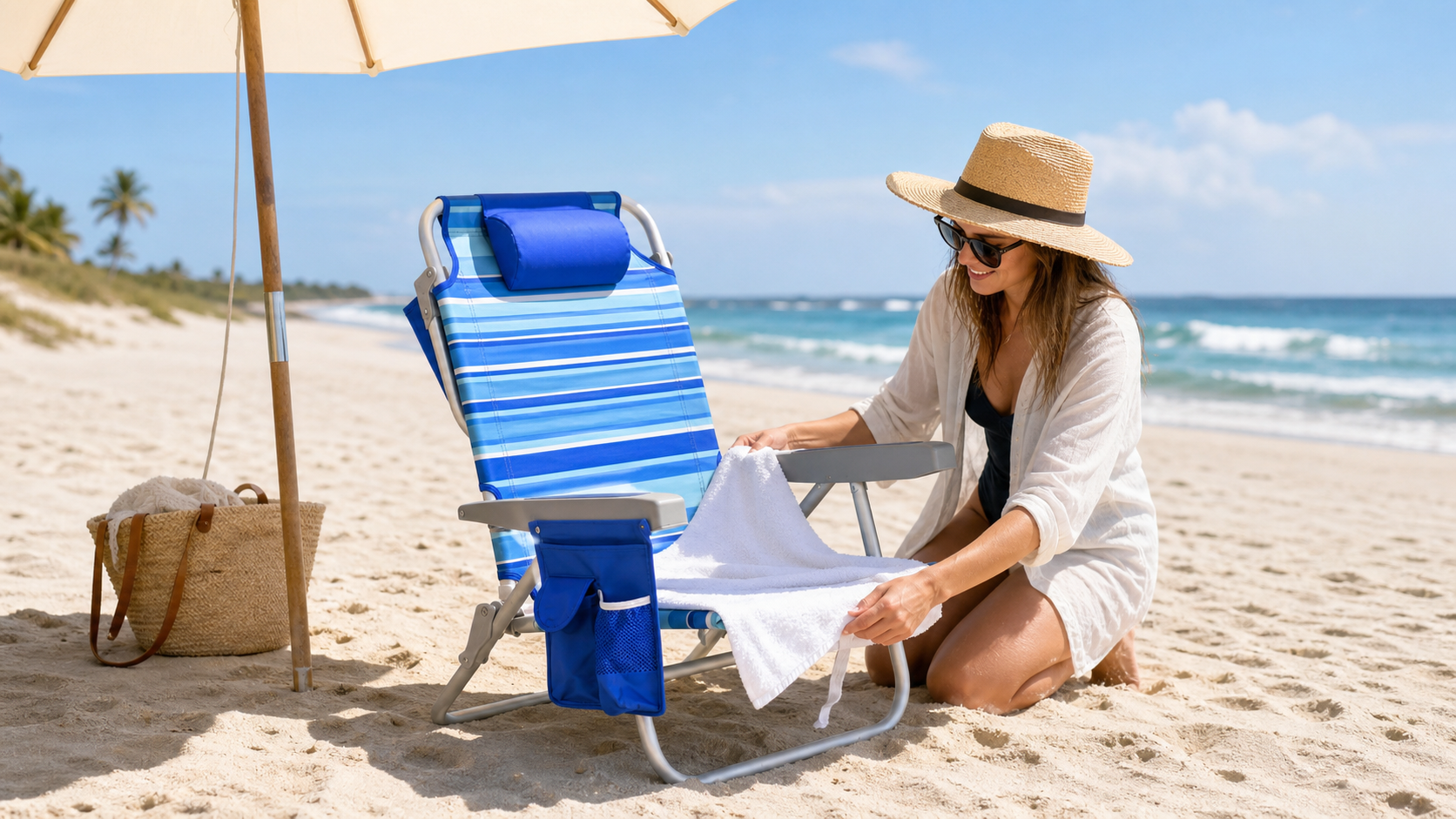
- Leg Design: Look for chairs with "feet" that won't sink into the sand or soft dirt. Some models have wide, ball-shaped feet for this reason.
- Weight Capacity: Ensure the frame is rated for your body weight plus a little extra for your heavy winter clothes.
Durability: Look for ripstop fabrics and high-quality aluminum poles that won't bend under pressure.
How to Decide if It's Worth Packing
Finalizing your gear list requires being honest about your habits. Use these questions to decide if a chair earns a spot in your pack:
- How many hours will I spend at camp? If you relax for two or more hours each evening, a chair is a great choice.
- Am I sensitive to pack weight? If your bag is already heavy, adding a pound might cause more fatigue while walking.
- Do I need back support? If sitting on the ground causes pain or numbness, the comfort of a lightweight camping chair protects your health.
- What is my goal? If you are hiking to enjoy the scenery and rest, bring the chair. If you are hiking for speed, leave it.
The final choice depends on your personal needs. No piece of gear is perfect for everyone; it only matters if it makes your specific trip better. Before longer backcountry travel, it also helps to review how to prepare and pack for the route.
Choosing Your Best Lightweight Hiking Chair
A lightweight camping chair can turn a tough trek into a much more relaxing experience. While it adds a little weight, the physical relief often pays for itself. The right seat depends on your personal style and how much you value camp comfort. If a chair helps you rest better and wake up refreshed, it earns its place in your pack. Pick the gear that keeps you happy and moving forward.
FAQs
Q1: Are lightweight hiking chairs worth carrying on long backpacking trips?
Yes, for many people they are. They provide back support and a dry place to sit, which helps with muscle recovery and mental comfort after a long day of walking.
Q2: What is the difference between lightweight and ultralight hiking chairs?
Ultralight chairs are built with the thinnest, strongest materials to weigh as little as possible, often around 1 lb. Lightweight chairs are a bit sturdier and heavier, focusing more on seat size and durability.
Q3: Do lightweight hiking chairs sacrifice comfort?
Some very small models might feel cramped or offer less back support. However, many designs provide excellent comfort that far exceeds sitting on the ground or a log.
Q4: What can I use instead of a hiking chair on long trips?
You can use a foam sit pad, an inflatable cushion, or a folding stool. You can also use natural features like flat rocks, logs, or even your backpack as a makeshift seat.


Leave a comment
This site is protected by hCaptcha and the hCaptcha Privacy Policy and Terms of Service apply.