
| Feature | Padded Camping Chair | Non-Padded Camping Chair |
| Best Use | Short hikes, base camps, cold weather | Backpacking, thru-hiking, wet climates |
| Weight | Heavier (adds extra grams/pounds) | Ultralight (saves energy on trail) |
| Packability | Bulky; often straps to outside of pack | Compact; fits inside or in side pockets |
| Comfort Level | High (soft, sofa-like feel) | Moderate (depends on ergonomic shape) |
| Insulation | Excellent (foam blocks cold air) | Low (requires a separate sit pad) |
| Dry Time | Slow (foam soaks up water) | Fast (fabric dries almost instantly) |
| Maintenance | Harder to clean; prone to mold if damp | Easy to wipe down and store |
| Customization | Fixed softness | Flexible (add a jacket or pad for cushion) |
Hiking puts a lot of strain on the body, and a dedicated chair offers a clean, dry place to rest. You have to decide if you want the thick cushion of a padded camping chair or the small size of a compact camping chair. One focuses on a cozy camp feel, while the other prioritizes a light backpack. Each style works differently in cold or wet weather. Use these simple tips to see which hiking chairs fit your pack and your personal comfort needs.

Padded vs Non-Padded Camping Chairs: What's the Difference?
First of all, you need to know how they are built. The materials used in construction change how the chair feels against your body and how it handles the stress of the trail.
What Is a Padded Camping Chair?
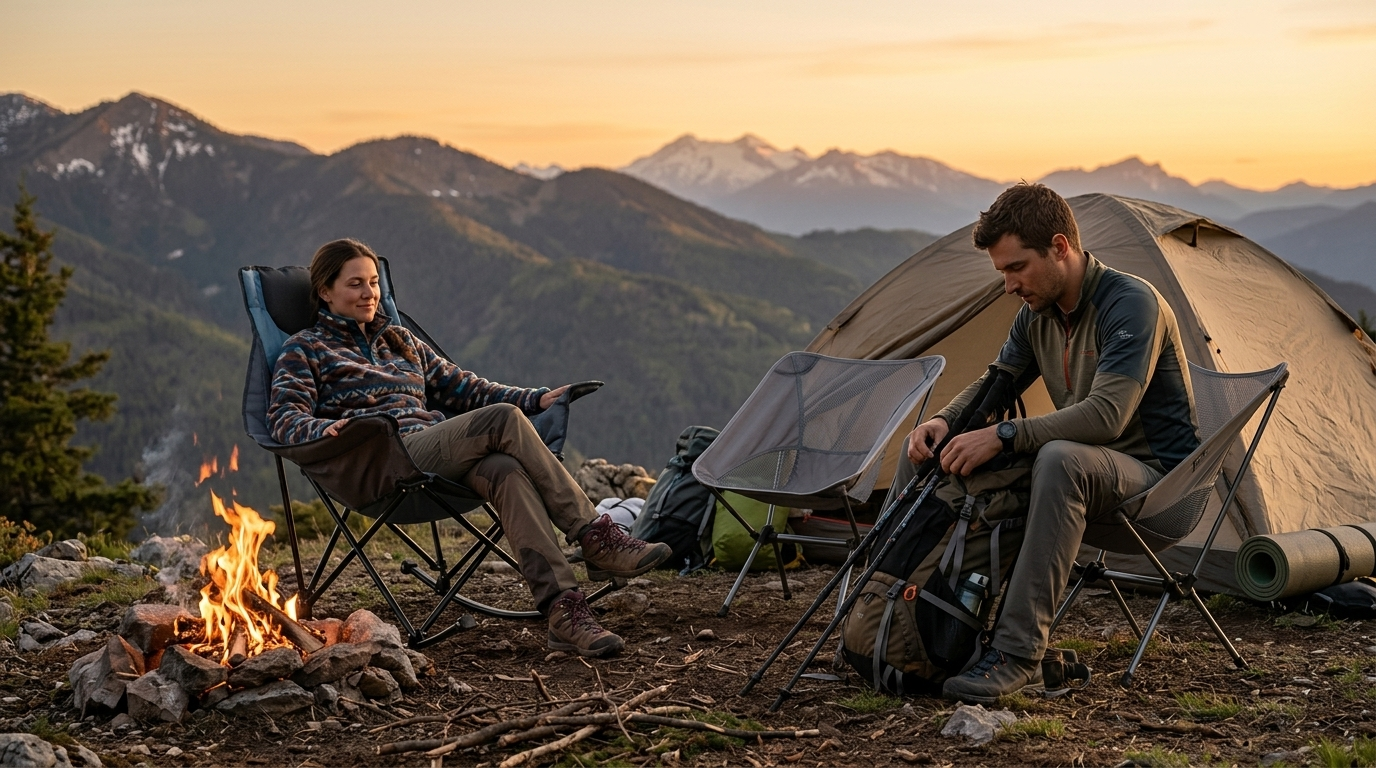
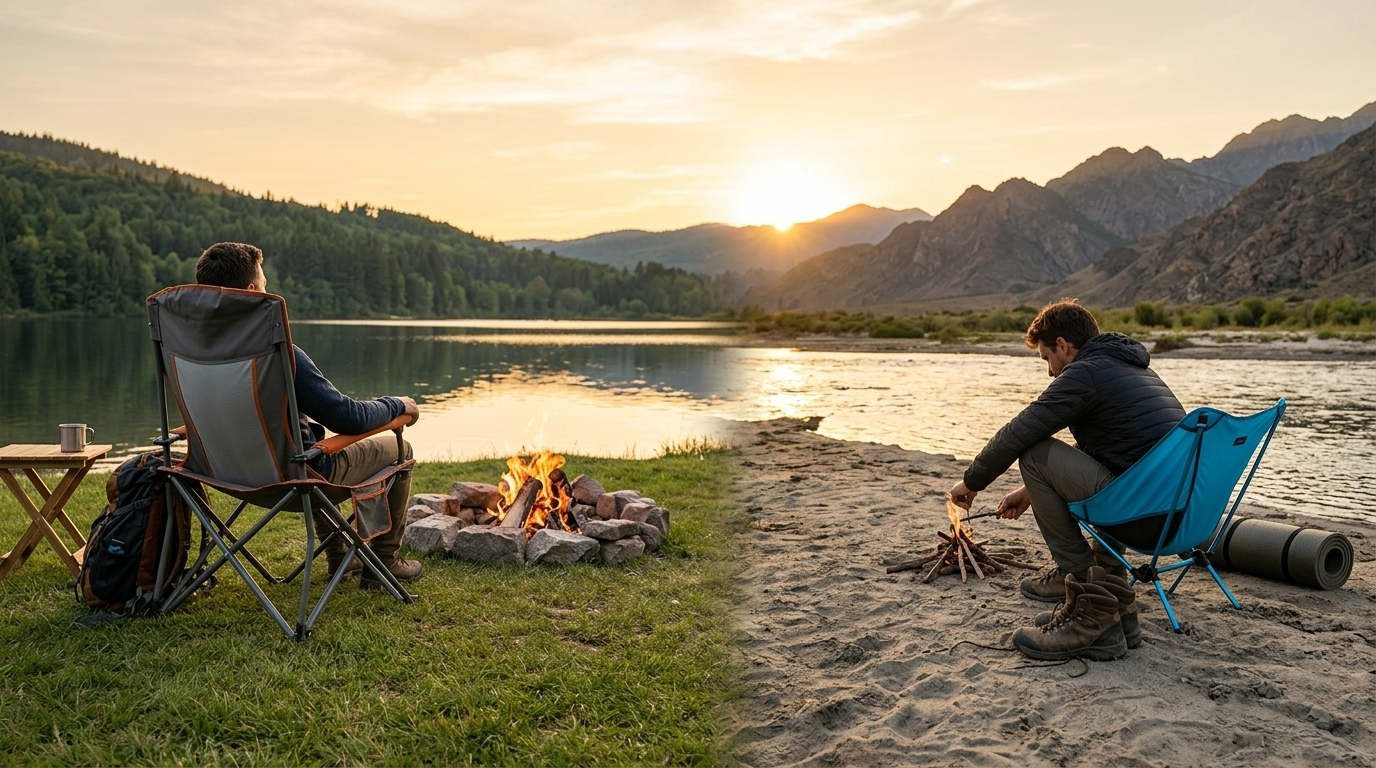
A padded camping chair features a fabric seat with built-in foam or synthetic fiber layers. These layers are usually sewn into the seat and the backrest to provide a soft barrier between you and the chair frame. These models often have extra features like headrests or side pockets. Because they prioritize comfort, they are very common at basecamps or car camping sites where you do not have to carry your gear very far.
What Is a Non-Padded Camping Chair?
A non-padded camping chair uses a single or double layer of strong, tensioned fabric or mesh. There is no foam inside. Instead of soft stuffing, the comfort comes from the ergonomic shape of the fabric as it stretches over the poles. Many people choose these as their primary hiking chairs because they are simpler and lighter. These are the go-to choice for backpackers who want to keep their packs as small as possible.
Pros and Cons of Padded Camping Chairs for Hiking Trips
Adding foam to a chair changes the experience of sitting outdoors. While the extra softness feels great, it comes with specific trade-offs that might make your hike more difficult if you aren't prepared.
Advantages of Padded Camping Chairs
- The biggest benefit is the immediate comfort. The foam reduces pressure on your hips and back, which is helpful if the chair frame has hard spots.
- These are very comfortable camping chairs because the padding also acts as a barrier against the cold. If the wind is blowing, the foam keeps your backside warmer than thin fabric would.
- It feels more like sitting in a real chair at home, which can be a huge mental boost after a long, exhausting day.

Disadvantages of Padded Camping Chairs
- Weight is the main downside. Padding adds extra grams that can make your backpack feel much heavier over long distances.
- These chairs are also bulkier. Even when folded, the foam takes up a lot of room, often requiring you to strap the chair to the outside of your pack.
- Water is another issue. If it rains, the foam can soak up moisture like a sponge. Once wet, a padded camping chair stays heavy and takes a long time to dry out, which is frustrating during a multi-day trip.
Benefits and Drawbacks of Non-Padded Camping Chairs for Hiking Trips
Minimalist chairs are built for movement. By removing the extra layers, manufacturers can focus on making the gear easy to carry. However, a lack of padding means you rely primarily on the chair's design for support.
Advantages of Non-Padded Camping Chairs
- Most people looking for a lightweight camping chair choose a non-padded model. They are much lighter and fold down into a very small size.
- You can often slide a compact camping chair into a side pocket or even inside your main pack.
- Because they are usually made of mesh or thin nylon, they dry very quickly after exposure to rain.
- If you do want a little extra softness, you can just put your folded fleece jacket or a small sit pad on the seat.
Disadvantages of Non-Padded Camping Chairs
- Without foam, you might feel the tension of the fabric more sharply. If the chair isn't designed well, the fabric might dig into your thighs or lower back.
- These chairs also offer very little insulation. On a cold night, the air moves right through the fabric, which can make you feel chilly quite fast.
- The quality of the seat matters more here; a cheap, poorly made version might sag, leaving you sitting in an awkward, uncomfortable position.

Comfort on the Trail: What Really Matters for Rest?
Comfort is a personal feeling, but it is also a matter of physics. It is important to distinguish between "softness" and "support" when you are choosing a chair for your next outdoor trip.
Cushion vs Support
Softness comes from padding, but support comes from the frame and the angle of the seat. A non-padded camping chair with a great ergonomic design can actually be more comfortable for your spine than a thick, mushy chair that offers no back support. Look for how the chair holds your body. If the fabric is tight and supports your lower back, you won't miss the foam as much.
Duration of Use and Daily Mileage
If you arrive late and go straight to bed, a basic ultralight camping chair is plenty. However, if you plan to sit for three or four hours every evening to cook, read, or talk with friends, the extra cushion of a padded model might be worth the extra weight. Your daily mileage also plays a role; the more miles you walk, the more you will appreciate a lighter pack over a plush seat.
Comparing Weight and Packability for Hikers
Every item in your pack has a "cost" measured in energy. A chair is a luxury item, so it needs to fit into your setup without causing physical strain during the day.
How Much Weight Are You Willing to Carry?
Be honest about your fitness and your gear goals. If you are trying to keep your "base weight" low, a heavy chair is your enemy. Padded versions can weigh twice as much as a simple lightweight camping chair. If you are hiking 10 or 15 miles a day, extra weight can feel significantly heavier over long distances by the time you reach camp.
How Much Space Do You Have in Your Pack?
Space is just as important as weight. A compact camping chair allows you to keep your gear organized and tight. Padded chairs often create "dead space" because they don't compress well. If your pack is already full of food and safety gear, trying to fit a bulky seat inside might be impossible. Think about whether you'd rather have a softer seat or more room for extra warm clothes and food.
How Weather and Climate Affect Your Chair Choice
The environment determines how your gear performs. A chair that works perfectly in a dry desert might be a nightmare in a humid rainforest or a freezing mountain range.
Cold Weather and Shoulder Seasons
When the temperature drops, the ground pulls heat away from your body. A padded camping chair provides a layer of insulation that keeps you warmer. However, smart hikers often use a non-padded camping chair and simply place a small foam sit pad on top. This gives you the warmth of padding without the permanent weight and bulk of a built-in cushion.
Wet or Humid Conditions
In rainy areas, simple fabric is king. Non-padded chairs don't hold onto water. You can wipe them dry with a small towel and sit down immediately. Padded chairs can stay damp for days in humid weather, which can lead to mold or just a very soggy, cold seat every time you try to rest.
Decision Guide: Which Chair Style Fits Your Trip?
Choosing between these two options depends on the type of hiker you are. There is no "perfect" chair, only the one that fits your specific plans for the weekend.
When a Padded Camping Chair Makes Sense
- You should choose a padded model if your hiking trips involve short distances, such as walking a mile or two to a lake.
- These are also great if you have chronic back or hip pain and need that extra softness to stay comfortable.
- If you mostly camp in cold weather and don't mind a larger pack, the added warmth and "couch-like" feel will make your nights much better.
When a Non-Padded Camping Chair Makes More Sense
This is the better choice for the majority of backpackers and long-distance hikers.
- If you are carrying all your gear for multiple days, a non-padded camping chair keeps your pack light and nimble.
- It is also the best choice if you expect rain or mud. Since it is easy to clean and dries fast, it requires much less maintenance than a padded version.
Pick the Best Camping Chair for Hiking
Most people prefer a non-padded camping chair because it is lighter and easier to pack. A heavy bag makes for a long day, so saving weight is a smart move. If you want a softer seat, pair a lightweight camping chair with a folded jacket or sit pad. This setup gives you a cozy rest without the extra bulk. Choose based on your trail miles and enjoy the relief of a dry seat.
FAQs About Hiking Chairs
Q1: Are padded camping chairs always more comfortable than non-padded ones?
No. Comfort is mostly about the shape of the chair and how it supports your weight. A cheap padded chair might have a frame that pokes you in the back, while a high-quality non-padded camping chair might be perfectly shaped to cradle your body. Don't assume that "thick" always means "better."
Q2: Are padded chairs too heavy for backpacking?
For most people, yes. Most padded chairs weigh over 3 or 4 pounds. When you are trying to keep your pack under 30 pounds, the chair takes up too much of your weight budget. There are some specialized lightweight padded models, but they are still heavier and bulkier than standard hiking chairs.
Q3: How can I make a non-padded chair feel softer?
You can easily add comfort without buying a new chair. Use a foam sit pad, a small inflatable pillow, or even your rolled-up sleeping pad. Sitting on your puffy jacket is another great way to add an instant layer of cushion and warmth to a basic fabric seat.


Leave a comment
This site is protected by hCaptcha and the hCaptcha Privacy Policy and Terms of Service apply.