
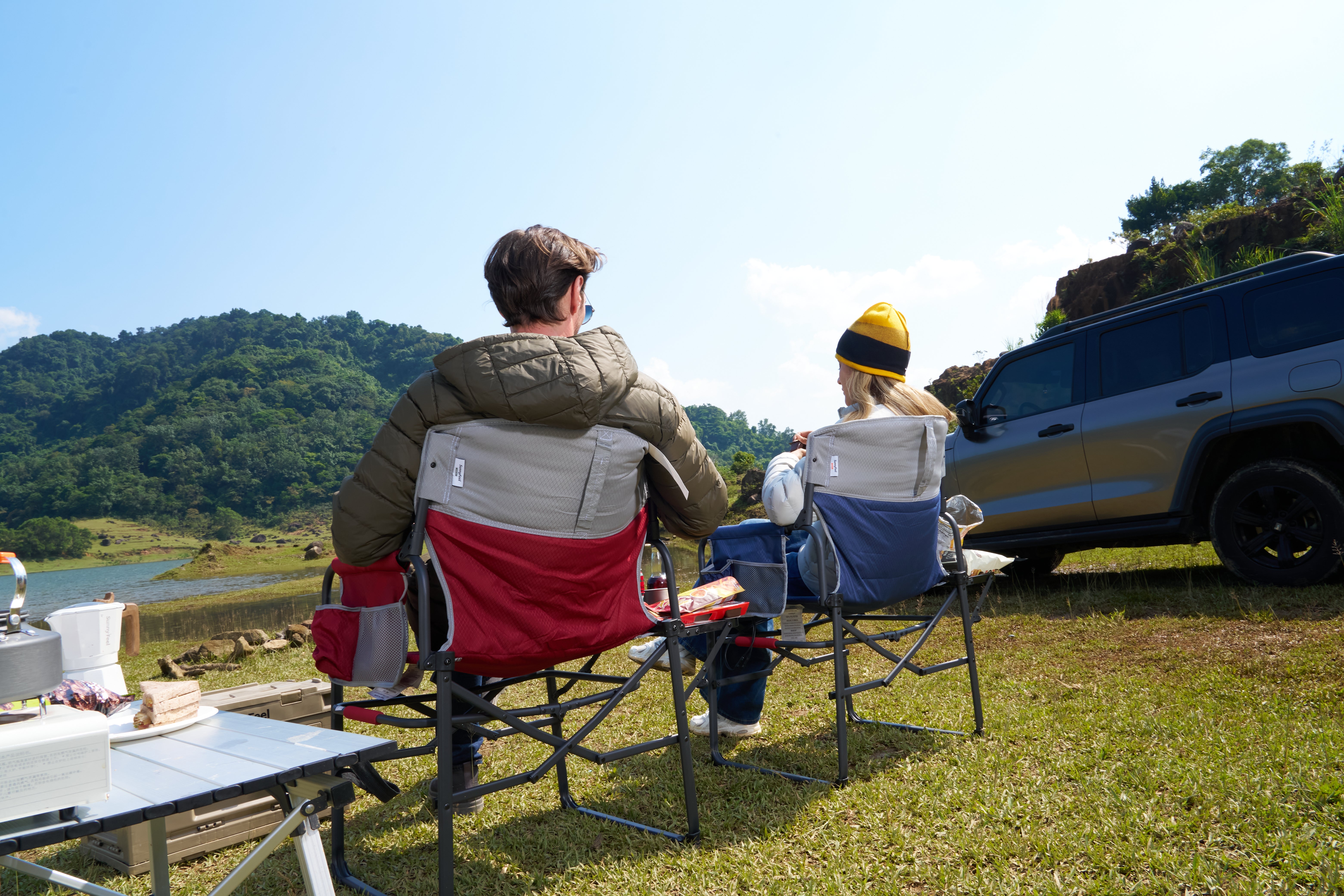
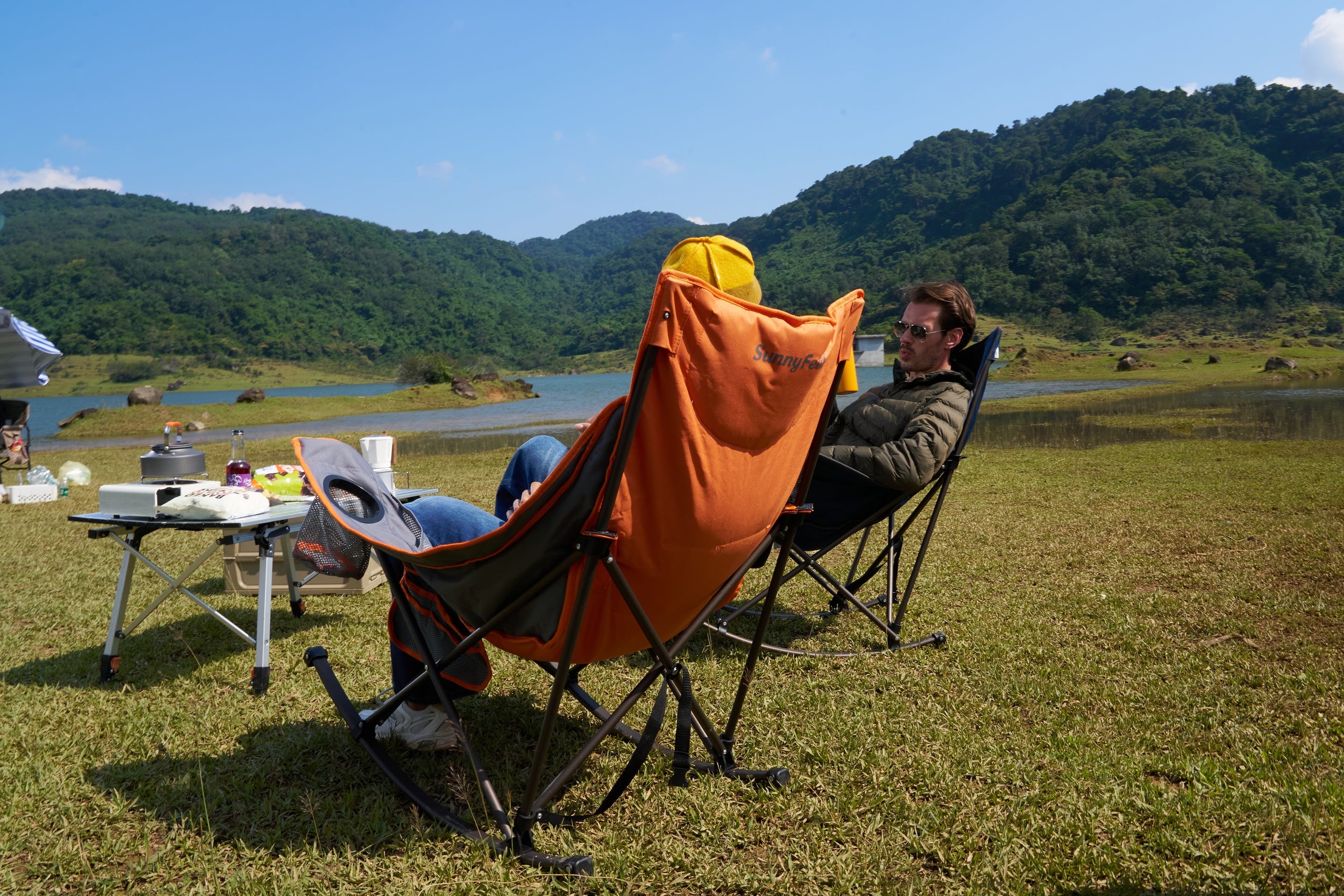

The best patio-to-lawn party layout treats the patio and the lawn as two separate places to gather, with chairs at each one. The strip between them is a transition, not a third seating zone. Keep that route clear so guests can walk back and forth with a plate or a drink in hand.
That simple split solves most traffic snags before they start. Map the route first, put furniture at the two ends, then walk the path yourself to catch anything that gets in the way.
Set the Patio and Lawn as Two Gathering Spots
Each spot has its own job, leaving the space between them solely to move people. While the patio holds food or a conversation circle, the lawn provides space to spread out, play games, or watch a screen.
Map the route guests will take
Before you carry out a single chair, figure out how people will actually travel. University of Delaware Cooperative Extension suggests you map the connecting route by asking how people will move from one outdoor space to another and drawing arrows where paths should connect them.
- Stand at the patio and find where guests will step off it. This might be a set of steps, an open edge, or a gap between planters.
- Look out at the lawn and pick where the lawn group will sit.
- Trace the most natural line between those two points. That line is your route.
- Mark it in your head, or with a couple of garden markers, so you don't drift furniture into it later. Settling the route before any chairs come out means the furniture gets arranged around the path, rather than the path getting squeezed between pieces you've already set down.
The route works best when it stays distinct from the seating on either side. UF/IFAS notes that walkways connect spaces and separate uses, giving circulation and organization while creating boundaries between different use areas. At a party, that means the path is the line between "here's where we sit" and "here's where we walk."

Place chairs at the two destinations
Once the route is set, furniture goes at the ends, not the middle. UF/IFAS advises placing seating where it won't get in the way of other landscape uses. During a party, walking between the patio and lawn is one of those uses.
- Patio chairs: Group them on the patio itself, set back from the step-off point so people standing up don't block the exit.
- Lawn chairs: Cluster them out on the lawn as their own circle. Pull the cluster far enough off the route that a seated guest's legs don't reach into it. Our outdoor chairs collection covers folding and padded options for the lawn side.
- Side tables, coolers, and serving pieces: Keep these inside one of the two gathering areas too. A cooler sitting halfway along the route blocks traffic just as much as a chair does.
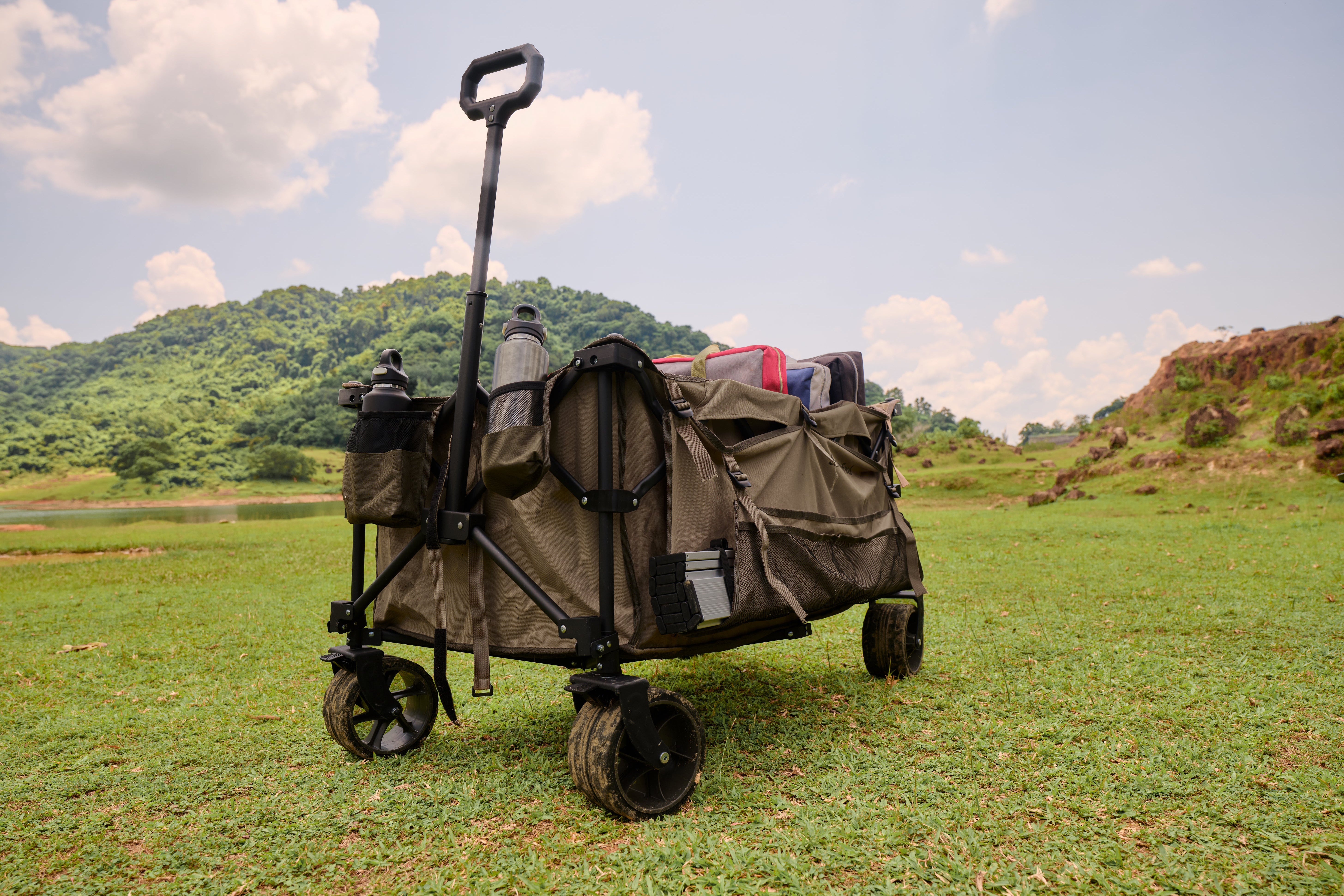
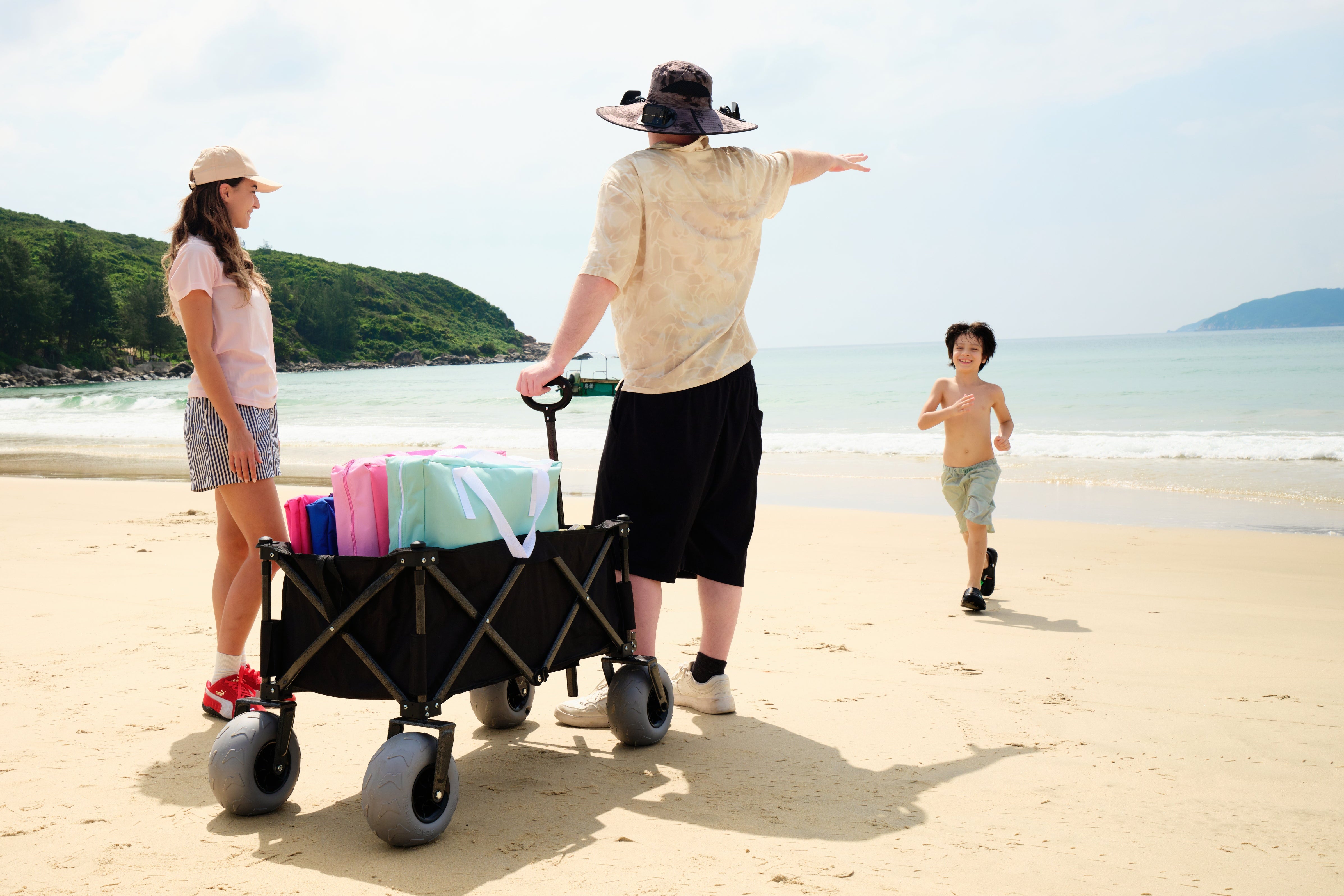
- Hauling gear: If you move coolers or chairs out with a folding wagon, unload it and park it off the route once setup is done.
If a chair or cooler makes someone sidestep on the way from patio to lawn, move it into one of the gathering areas. For more ideas on splitting a yard into viewing, seating, food and walkway zones, our guide to an outdoor watch party setup applies the same thinking to game days, and these viewing party hosting tips cover the seating and food side.
Walk the Route with a Plate or Drink
A layout can look clear from the back door and still feel tight in practice. The quickest way to find out is to walk it the way a guest will, with your hands full.
- Grab a plate and a drink. Holding real items keeps you from twisting sideways past things the way you might empty-handed.
- Start on the patio where guests will pick up food.
- Walk the route out to the lawn seating at a normal pace.
- Notice any moment where you detour, squeeze past something, or stop.
- Move whatever caused it into the patio area or the lawn area.
- Walk the route again, then try it in reverse, from the lawn back to the patio.
Say your patio exit faces the lawn seating cluster. The open line straight to that cluster is your crossing. If a cooler sits on that line, or the last lawn chair juts into it, shift it to the side of the cluster and walk it once more.
Repeat the walk after any late change, such as adding a table for desserts or bringing out extra chairs when more guests show up. This is a practical host check, not a measured standard. It simply shows you, from a guest's point of view, where the layout still gets in the way.
FAQs
How wide should the route be?
There's no universal party-route width. As a general reference, UF/IFAS guidance for shared walkways says walkways intended for more than one person should be 3 feet or wider. Treat that as a starting point for landscape paths, not a guaranteed clearance for guests passing with full plates. Your carry-through walk is the better check for your own yard.
Does the transition need to be a paved walkway?
No. The route needs to be defined and usable, not a specific surface. Delaware Cooperative Extension links surface choices to use intensity: hardscape such as pavers, a deck, or a flagstone path handles frequent or intense use, while lawn, ground cover, or mulch suits light or infrequent use. For an occasional party, plain lawn can work as the crossing. If guests cross the same spot often, a hardscape landing may hold up better.
Can a bench sit on the connecting route?
Not in the through-line. In everyday garden design, UF/IFAS notes that adding benches can create resting points along a walkway. At a party, though, anyone sitting there puts knees and drinks in the path. If you already have a bench along the route, keep it well to one side, or treat it as part of a gathering area rather than the crossing.


