
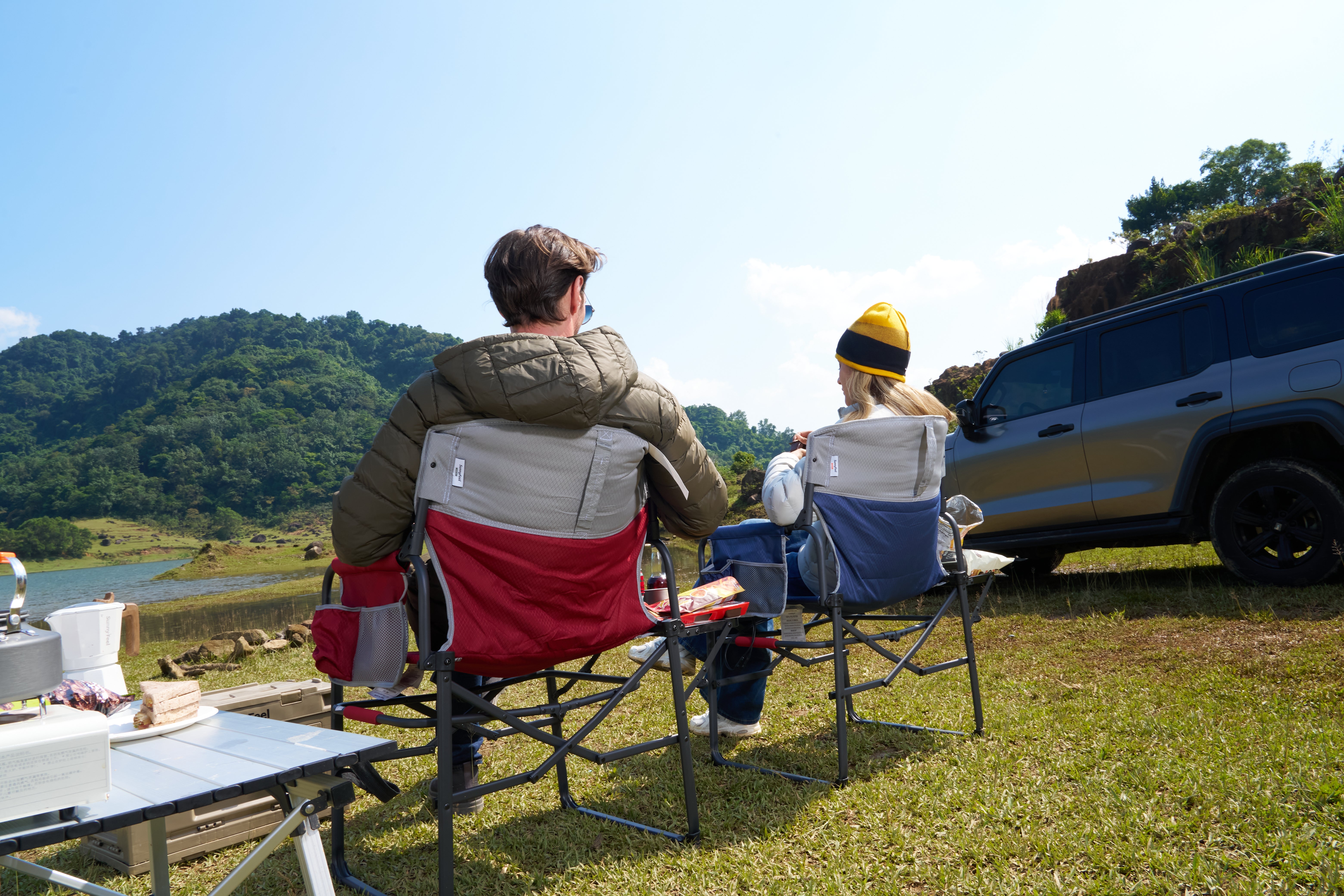
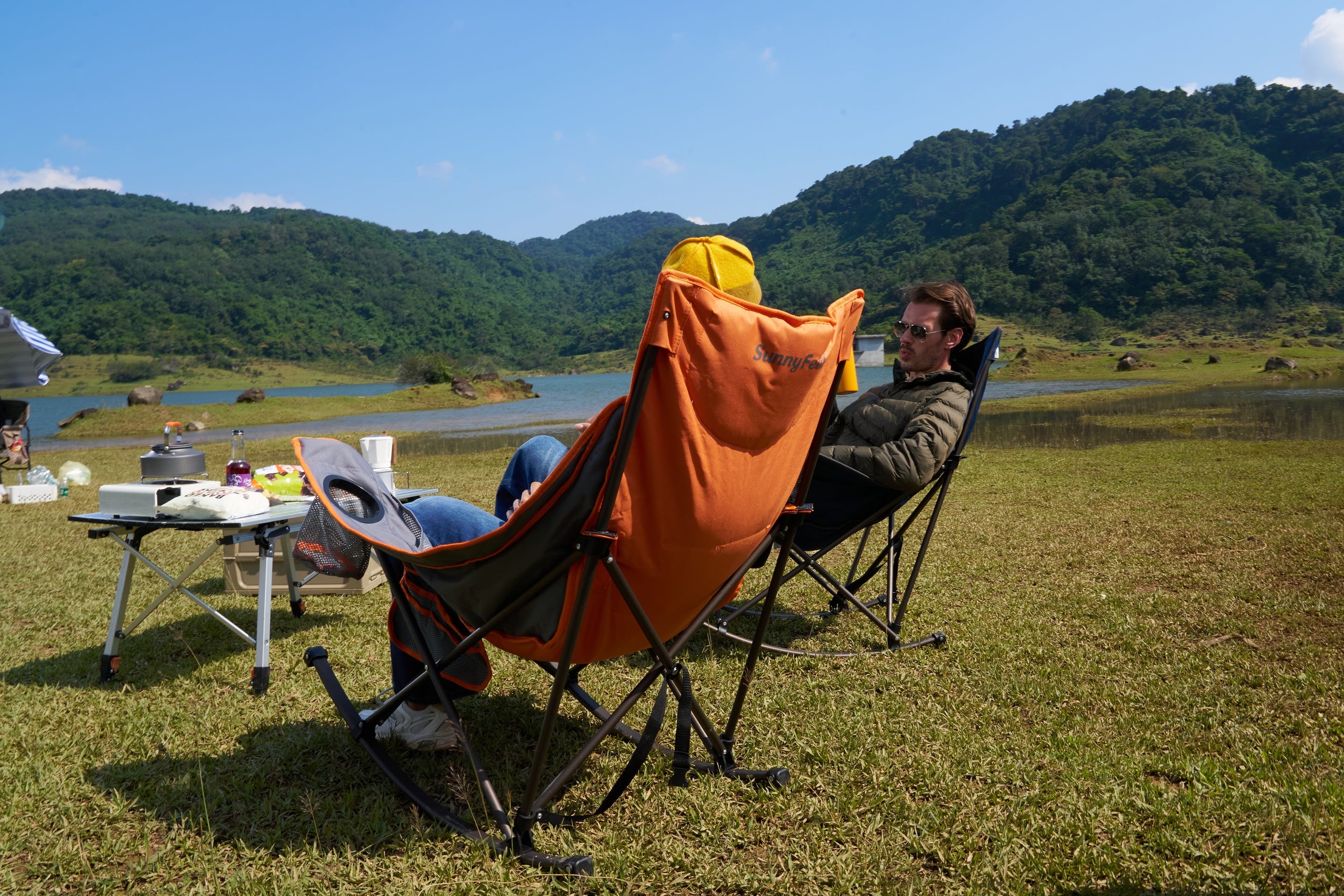
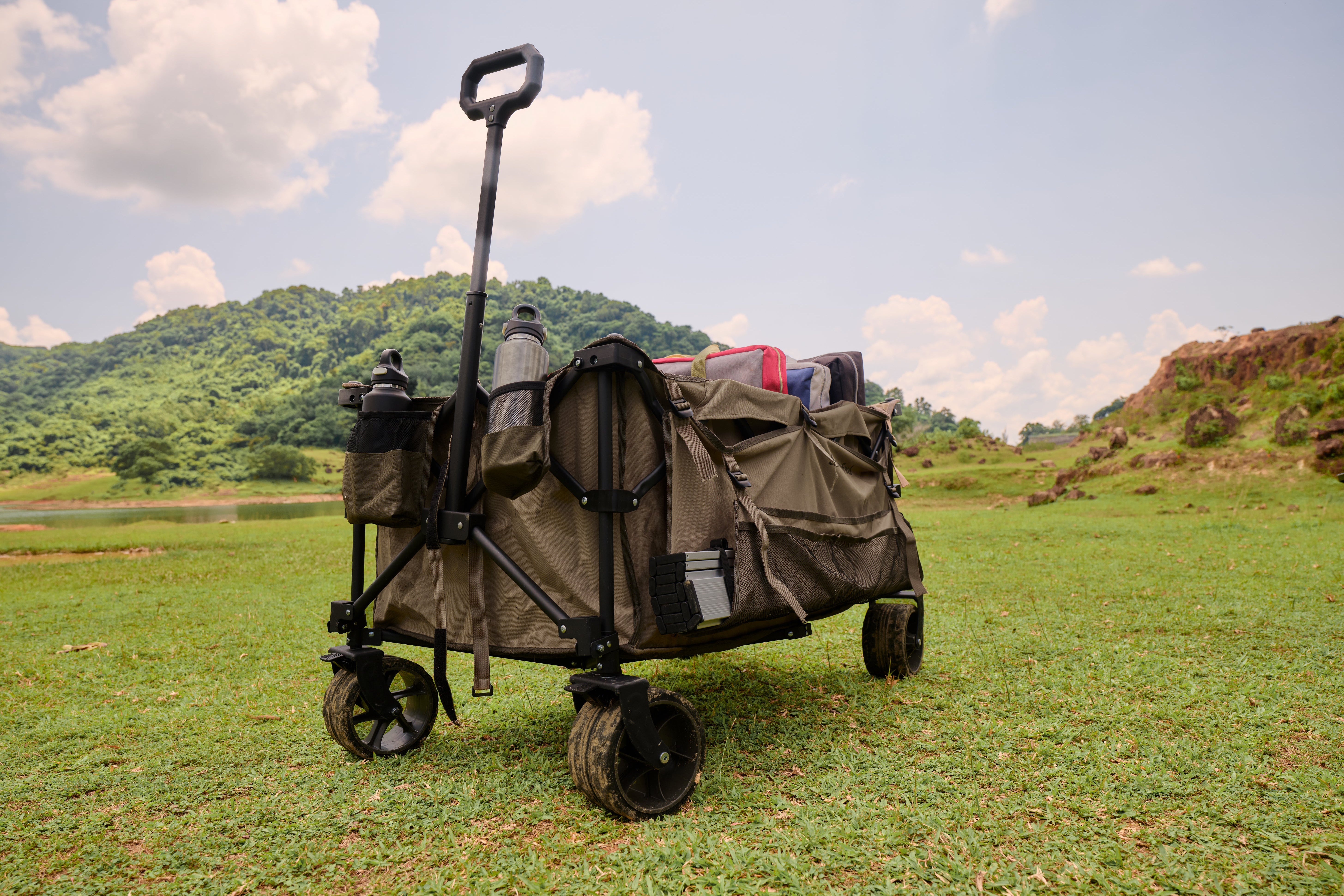
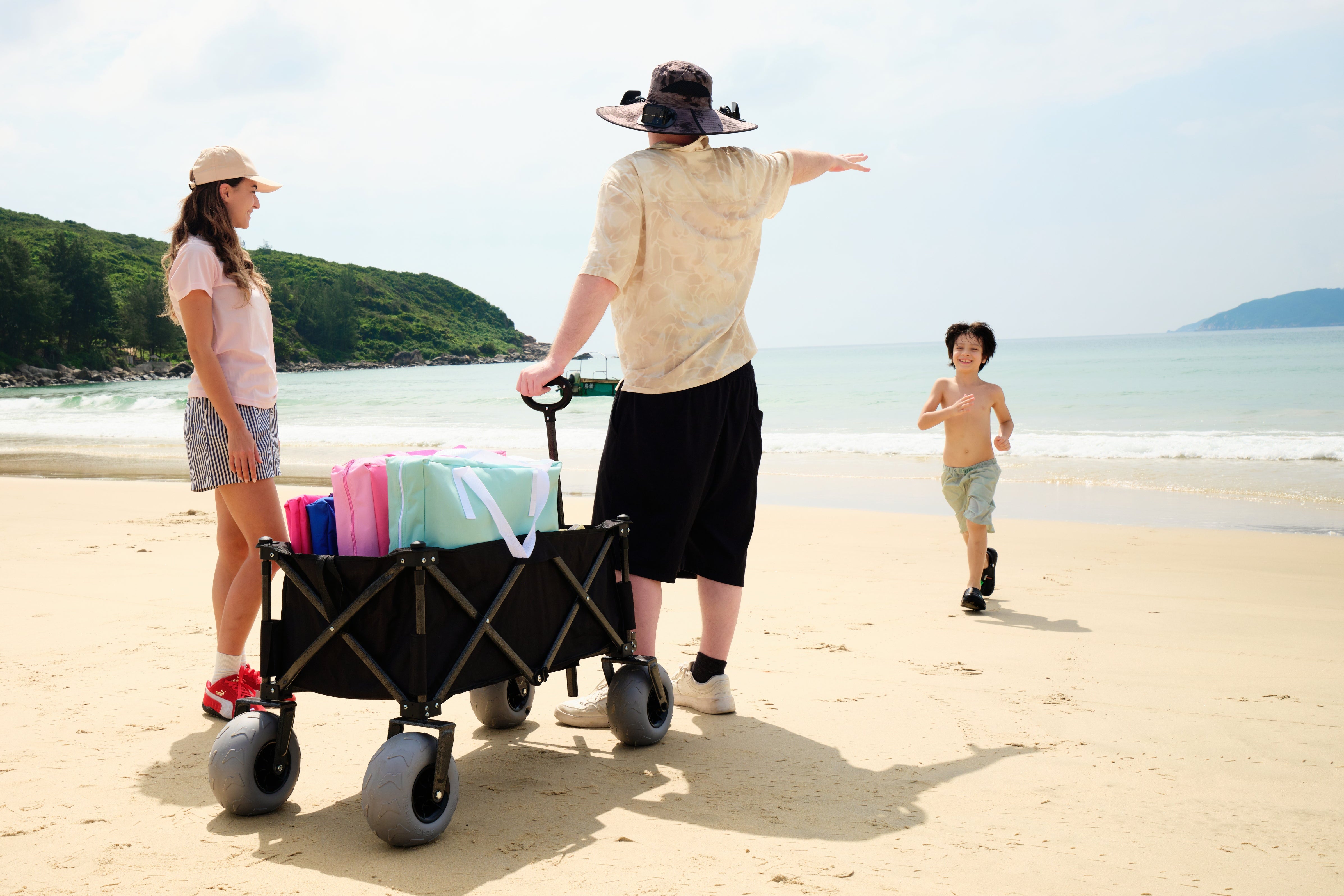

The best backyard party seating plan for a mixed crowd gives adults and kids their own spaces that sit side by side and share a path. Set up the chairs for conversation in one area and the play footprint in another. Then plan a main route that reaches both without running through the chairs or the middle of a game.
That route matters as much as the zones. If guests have to cut through a game to get from the back door to their seats, the play has taken over the yard. Sketch the layout first, fix any overlap on paper, and then set out the furniture.
Build a Layout With Separate Zones and a Clear Route
Landscape designers use the same layout principle for everyday yards. University of Florida IFAS guidance recommends separating outdoor uses that conflict and linking outdoor "rooms" with pathways, walkways, or openings. For a party, seated conversation and active play can sit next to each other as long as each has its own zone and a clear path connects them.
The same guide also suggests grouping related activities, such as cooking and dining. At a party, that means the food and drink spot can sit near the seating so guests carrying plates do not walk past an active game.
A quick bird's-eye sketch lets you try a few arrangements before you move a single chair. The University of Delaware Cooperative Extension suggests you sketch zones and routes as loose "bubbles" first, not exact shapes, then draw arrows to show where people will walk between them. The extension guide describes drawing these outdoor rooms on tracing paper laid over a base plan, and using several sheets to compare alternatives. At a party, plain scrap paper works fine. Draw two or three versions, such as play on the left versus play at the back, and keep the one where the arrows stay clear of the chairs. Here is how to apply that to a party:
- Mark the fixed points. Draw the house or back door, the gate or entrance, and any existing patio or deck.
- Sketch two broad bubbles. Put one bubble for adult seating and one for play. Keep them neighbors, not one shared blob.
- Draw the main route with arrows. Connect the door or entrance to the seating, then to the play area. Add any trips guests will make often, such as to food or drinks.
- Check for crossings. If an arrow runs through the chairs or the center of the game, shift a bubble or redraw the route along its edge.
- Confirm the connection. Each zone should touch the route at an opening, so guests and parents can move between areas easily.

When the sketch passes step 4, you have a working plan. Before guests arrive, walk the route once yourself from the door to each zone. You will quickly see whether a chair or a game edge has drifted into the path. Our guide to a backyard watch party setup uses the same idea of separating viewing, seating, food, and walkways if you are hosting a game day too. When you set out the actual furniture, our backyard setup chairs and tables can help fill in the seating bubble.
Adapt the Play Area to the Yard and Activity
No single layout fits every yard. University of Delaware guidance advises fitting spaces to your yard by considering existing features, relationships between spaces, and guest movement. Oregon State University Extension adds that you should size play space for activity, using children's ages and planned activities to decide its size and surface.
In practice, a game of tag needs open lawn, while a coloring table needs only a small, flat spot. Use those layout considerations to adjust your sketch:
- Compact or narrow yard: Keep the route first. If an active game would sit on the only path to the lawn, move the game, shrink its footprint, or pick a lower-movement activity instead of sending guests through it.
- Active or noisy play: Try an available outer edge or far corner, away from seated conversation. This is a practical placement idea, not a promise of quiet.
- Quieter play: Crafts, coloring, or a small toy area can sit closer to the chairs. Give it a clear edge outside the main route so it does not spread into seating.
- Irregular yard or obstacles: Let trees, beds, and slopes shape the bubbles. Draw the route around them first, then place zones where space remains.
Picture a narrow yard with a patio by the back door. Keep the adult seating on the patio and run the route along one side of the lawn. Then put the game on the far side of that path. If the game still blocks the route, swap it for something smaller. Kids who want their own seats near the play zone can use our kids folding chairs, and our tips on choosing a kids camping chair cover stable legs and seat height. For more on chairs, food, and activities for a crowd, see our viewing party hosting tips.

FAQs
Can the play area be part of the outdoor living space?
Yes. Oregon State University Extension says a play area can be part of the outdoor living area or separate from it. In a small yard, a shared patio can still work if the play spot has its own clear footprint next to the chairs, not mixed in with them.
How should the play area change as children or activities change?
The same extension guidance ties play-area size and surface to children's ages and activities. It also notes the design will need adjusting as children grow and their play needs change. A toddler corner and a game of tag need very different footprints, so redraw the play bubble for each party.
Where might a play area for very young children go?
For very young children, Oregon State University Extension describes placement for very young children as a small area enclosed by a fence near the kitchen or patio/deck. Hosts can treat this as a useful option for that age group rather than a rule for every party.


