
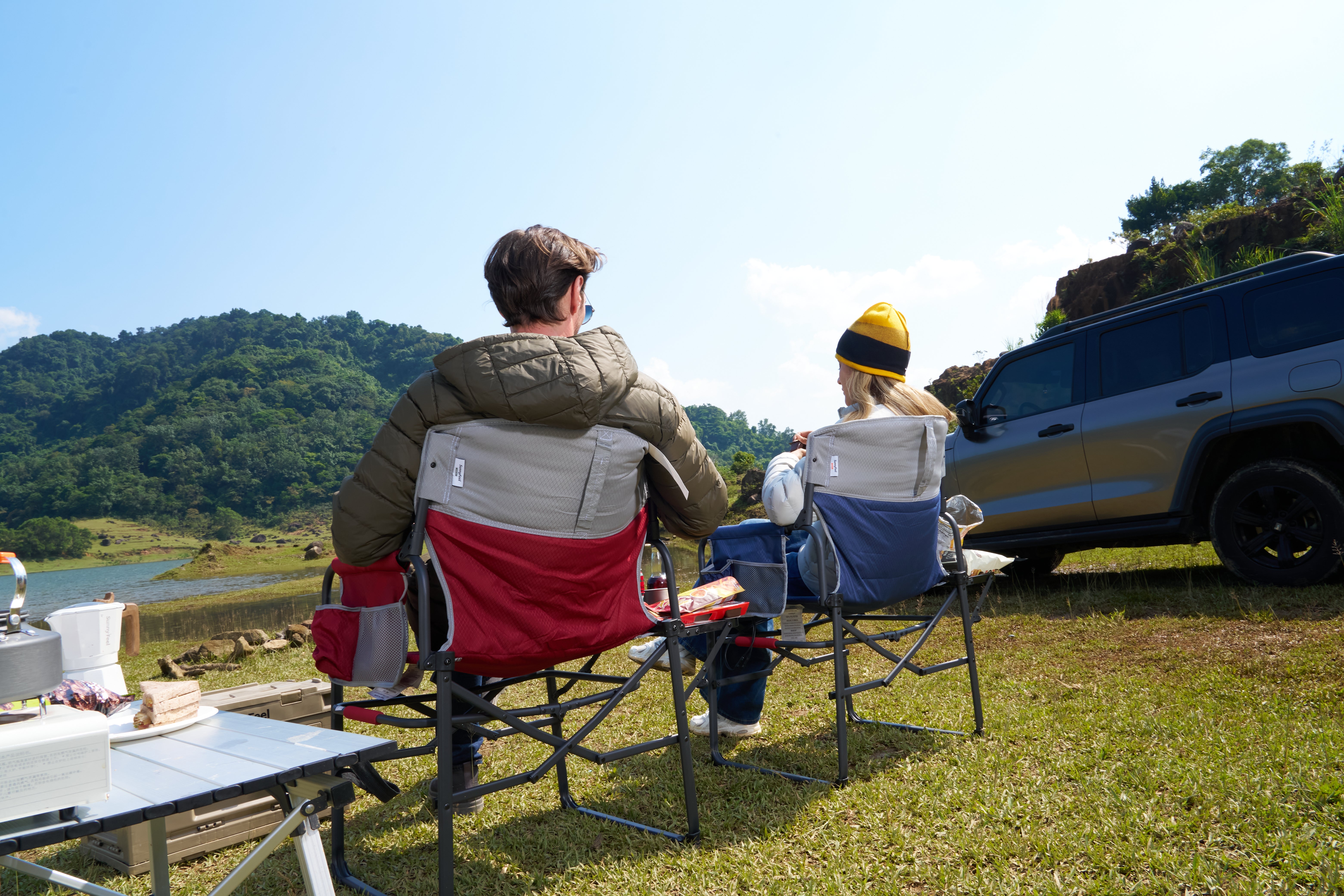
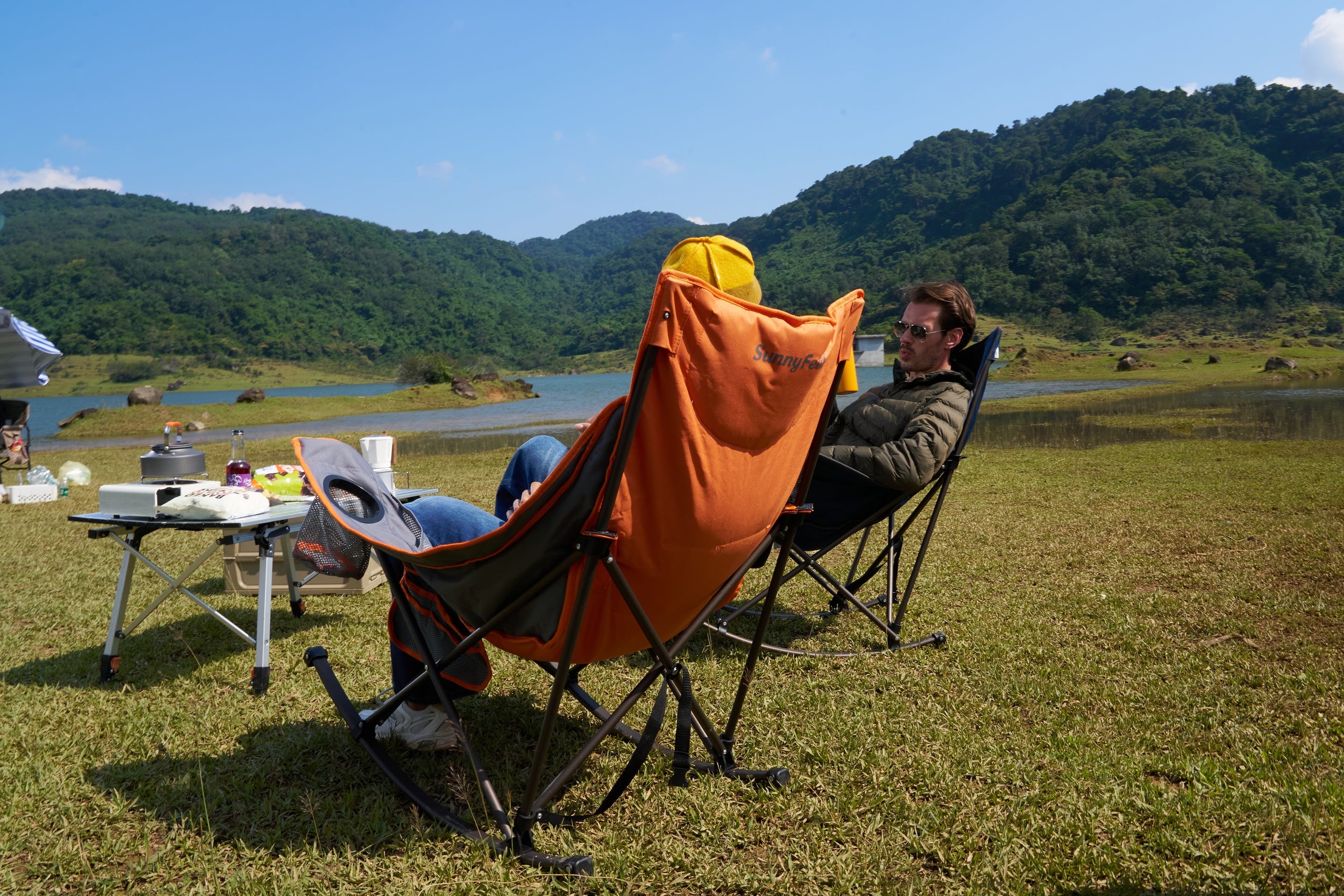
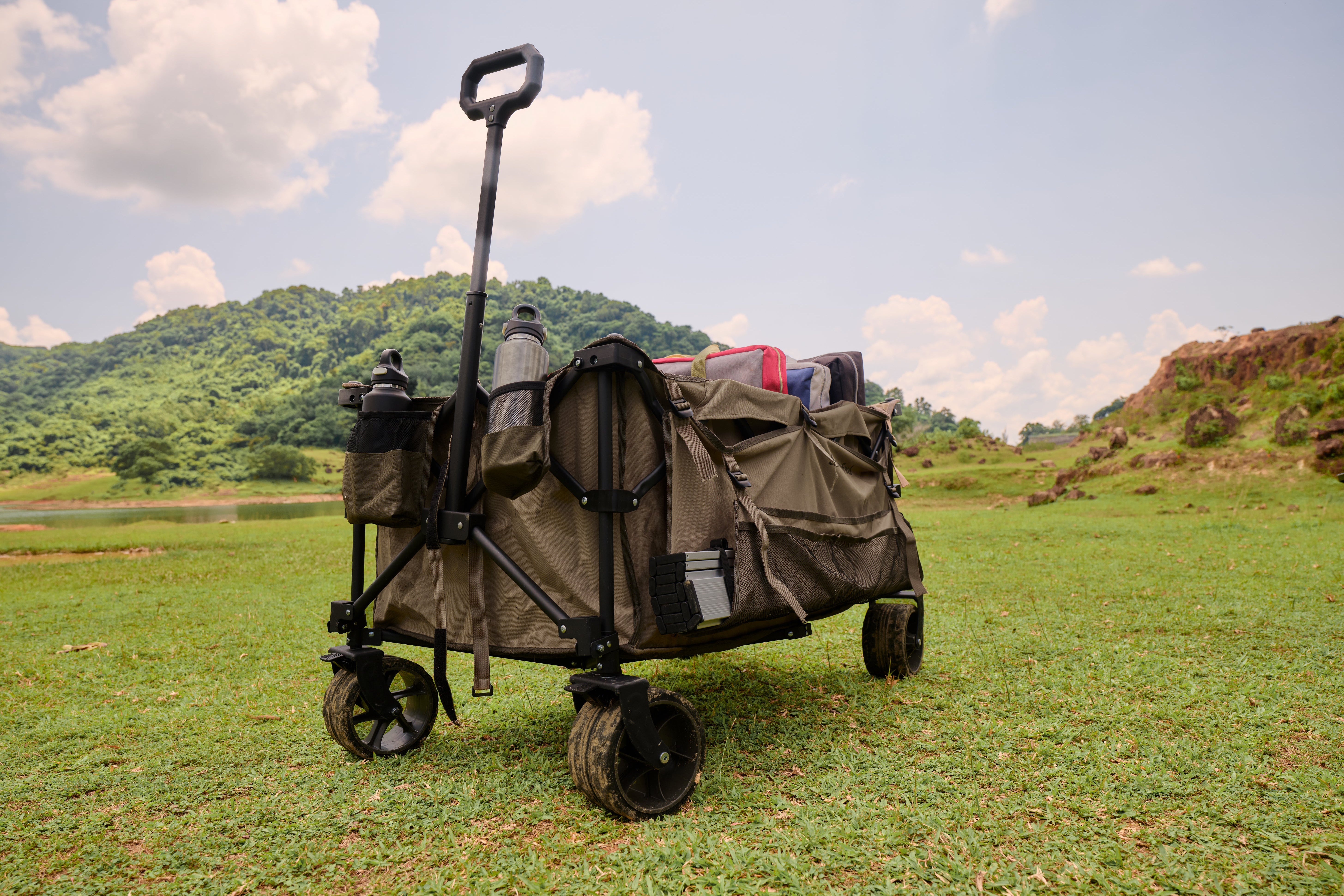
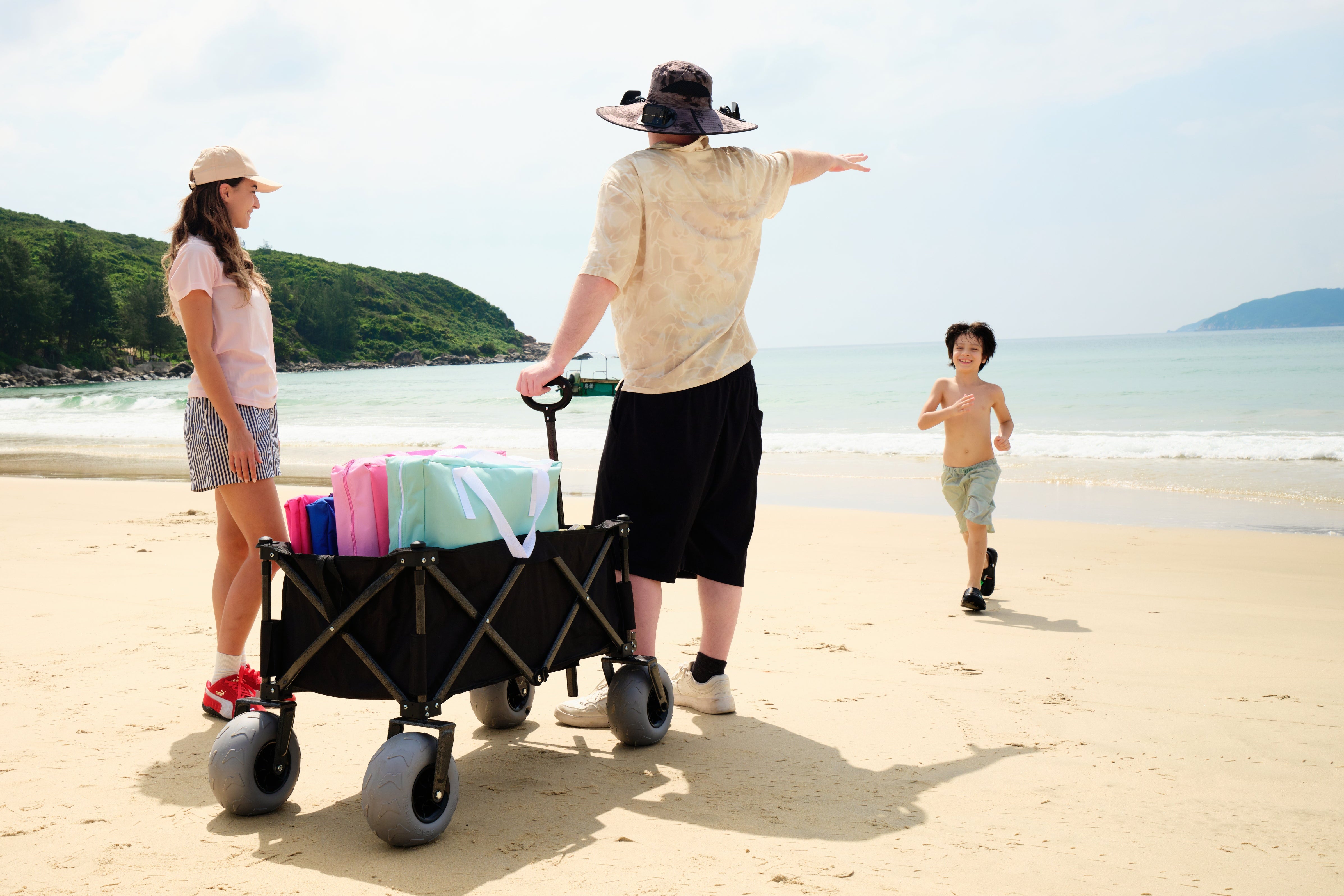

The best RV campsite setup ideas start with how you want to spend time outside. Three layouts cover most needs: a two-seat conversation nook, a group circle around a shared table, and separate zones for lounging and meals or games.

Couples often do well with the nook. Families who want one shared activity can use the circle, and households with more than one plan can split the space. Your choice depends on who's sitting outside, what they want to do, and how much room your site leaves beside the RV.
1. Two-Seat Conversation Nook
This layout turns two seats into a small outdoor living room. Angle the chairs slightly toward each other instead of lining them up in a row. That small turn makes it easy to talk without twisting in your seat. Put a small side table where both people can reach it. It holds drinks, a book, or a phone, so nobody has to keep getting up.
For a couple, the nook can be the whole setup. It suits morning coffee, reading, or a quiet talk after dinner. Two separate chairs give each person their own space. If you'd rather sit side by side in one piece, a seat built for two works too. Our two-person loveseat chair is designed as 2-person seating with an extra-wide build. If you're comparing double seats with two singles, our guide to camping chairs for couples covers capacity, frame support, and portability.

Families can keep the nook as a spot for the adults. Kids' chairs can go nearby as separate seats, but only if your site has room without crowding the nook. If space is tight, leave the nook as is and move the extra chairs to another part of the site. That way it still feels like a calm corner and doesn't turn into a cramped row. Keeping the extra seats apart also lets the nook stay a quiet spot for adult conversation while kids come and go.
2. Group-Centered Gathering Circle
This layout points everyone toward the same center. Set the chairs in an open U around a low shared table. Keep one side open so people can get in and out easily. The table in the middle is for the group: snacks, a card game, or a board game everyone can reach.
Couples can keep the U small. Two or three chairs around a low table works well for cards, a snack spread, or an evening drink. Use this instead of the nook when you want something to do together, not just a place to talk. The difference is direction: in the nook the two seats face each other, while in the U every seat faces the shared table.
For families, this layout grows easily. Add chairs along the open sides as more people join, and keep the center clear for the game or food. Shared seating helps fit kids in. Our two-seat kids' camping chair is designed for two children, such as siblings, twins, or friends, to sit together. Grown-ups can sit at the ends of the U so everyone can still see the middle. For more help picking seats for each person, see our RV camping chair upgrades for small spaces.
3. Split Lounge and Activity Zones
This layout gives you two small rooms instead of one. In the lounge zone, set chairs side by side facing a view, like a lake, the trees, or the sunset. Place a separate table and chairs a few steps away for meals, cards, or drawing. Because each zone has its own job, one person can relax while another plays a game. Facing the lounge chairs outward toward the view also keeps them from competing with the table, so each zone feels like its own space.
Couples can move between the two zones during the day: lounge chairs for reading, then the table for dinner. Families get a different benefit. Kids can stay busy at the table with a puzzle or coloring while adults sit in the lounge chairs. If you're still deciding on a table for the activity zone, our guide to choosing a camping table explains height, size, and stability. You can also look through our outdoor tables and camping chair collection when you're matching seats to each zone.
If your site is small, shrink the zones or combine them. Two lounge chairs placed near a table can work as both zones at once. Here's how to choose. If conversation matters most, start with the nook. If a shared group activity matters most, pick the open-U circle. If lounging and meals or games need their own spaces, split the zones. Then size whichever layout you pick to fit the room you have.
FAQs
What should we place first when setting up an outdoor living area?
Start with the seats and arrange them for the main thing you'll do outside. Next, put the table where that activity needs it: within reach for drinks or in the center for a game. Add extra chairs or a second zone only after that, if you still have room.
How can we keep a path from the RV to the seating area clear?
Find the route you'll walk most often to the RV door and keep chairs and tables off it. Put side tables beside the seats, not in that path. Do a quick walk-through before you settle in to catch any chair that drifted into the way.
Can we combine parts of two setups?
Yes. Pick one layout as the base for your main activity. Then borrow one feature from another, such as a small two-seat nook next to a separate activity table. Stop there if the space starts to feel crowded.
What if more people show up partway through the trip?
Start with an open layout, like the U or a split setup, so it's easy to add seats. Put the new chairs on the open sides and leave the center or table area as it is. If the group outgrows one area, a separate table zone can take the overflow, the same way the split layout keeps different activities apart.


