

Key Takeaways
- Check your RV's built-in supplies and campground facilities to avoid packing duplicates.
- Pack clothing, food, personal care items, lighting, and safety gear based on your trip.
- Choose compact camping chairs and folding outdoor furniture that fit your storage space.
- Bring only the equipment needed for your planned activities.
- Use a simple checklist to make setup, packing, and departure easier.
A weekend RV trip should feel like a break, not a packing project. Too much gear takes up storage space and adds work at the campsite. A simple setup keeps the items you need close at hand while leaving bulky, rarely used equipment at home. With a little planning, you can prepare meals, relax outside, and enjoy two or three nights away without filling every storage compartment.
Check Your RV Before Packing Anything
Start with a quick inventory of your RV and campsite. Knowing what is already available helps you avoid duplicate supplies and save room for the items you will use throughout the weekend.
Check Built-In Kitchen, Bedding, and Storage
Check the kitchen, sleeping area, bathroom, and storage compartments. Your RV may already have cookware, plates, utensils, pillows, or cleaning supplies. If you rent, ask the rental company what comes with the vehicle.
Keep a short list of missing items instead of packing an entire household's worth of supplies. Measure storage compartments if you plan to bring bulky gear, such as camping chairs or a folding table.
Confirm Your Campsite's Hookups and Facilities
Check your reservation to see if the campsite provides electricity, water, and sewer connections. Find out if restrooms, showers, laundry facilities, and dishwashing areas are available.
A full-hookup site may let you use your RV's built-in facilities with fewer limits. Dry camping requires more planning for fresh water, battery power, refrigeration, and waste storage. Pack the hoses, cords, adapters, and other equipment your RV needs, following the owner's manual and campground rules.
Check the Weather and Your Weekend Plans
Check the forecast for each day of your stay, including overnight temperatures and the chance of rain or strong winds. Pack layers, suitable footwear, and rain gear as needed.
Think about how you will spend your time. A weekend with short hikes calls for different supplies than a relaxing stay under the RV awning. Packing around your plans helps keep unused equipment out of your storage bays.

Pack the Essential Items for a Weekend RV Trip
After checking the RV and campsite, prepare a small set of personal supplies. For a two- or three-night stay, a clear list makes it easier to cover everyday needs without overfilling cabinets and drawers.
Clothing, Bedding, and Personal Care
Pack enough clothing for the trip, plus an extra layer for cool evenings. Choose pieces that work together so you can reuse them for different activities. Your basic list may include:
- Shirts, trousers or shorts, underwear, and sleepwear
- A jacket or warm layer suited to the forecast
- Comfortable walking shoes and sandals, if needed
- Towels, toiletries, sunscreen, and insect repellent
- Bedding that your RV does not already provide
- Prescription medication and other personal care items
Keep small items together in a toiletry bag or packing cube. This makes them easier to find and helps prevent loose items from spreading across the RV.
Food, Drinks, and Basic Cooking Supplies
Plan simple meals that use overlapping ingredients. Eggs, bread, fruit, sandwiches, and easy skillet meals can cover much of a short trip without requiring a large pantry.
Bring drinking water based on your group's needs and access to safe refill points. Pack reusable plates, cups, cutlery, a cooking pan, a cutting board, and a few basic utensils if your RV lacks them.
Include dish soap, a sponge, paper towels, and trash bags. Store food at safe temperatures and follow campground rules for food storage, especially in areas where wildlife may be present.
Lighting, First Aid, and RV Setup Equipment
Keep a flashlight or headlamp within easy reach for late arrivals and trips outside after dark. Bring a stocked first-aid kit, a charged phone, charging cables, and a power bank if you need one.
Your RV may also require leveling blocks, wheel chocks, an electrical cord, a water hose, or sewer equipment. Check which items are supplied and which are necessary for your vehicle and campsite.
Inspect the tires, lights, hitch connections where applicable, and other vehicle systems. Secure loose items inside the RV so they cannot slide around during travel. Follow the manufacturer's loading limits and operating instructions.

Set Up a Comfortable Outdoor Living Area With Less Gear
Your RV provides shelter, but outdoor space often becomes the main spot for meals, morning coffee, and evening relaxation. A few well-chosen pieces of outdoor furniture can make that area useful without taking over your storage space.
Choose Folding Camping Chairs for Multiple Activities
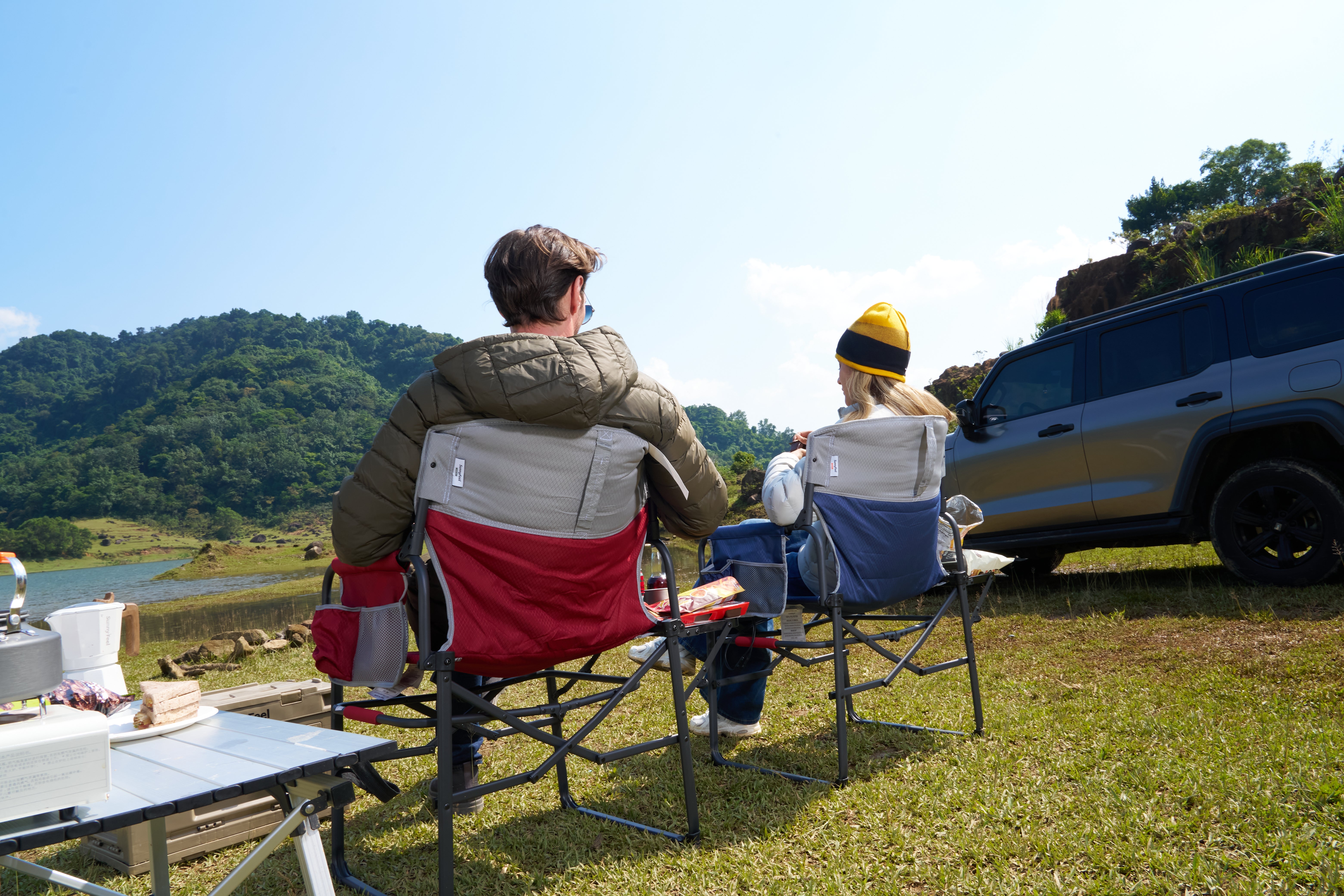
Start with enough seating for the people traveling with you. Look for camping chairs that are comfortable for meals and longer periods of sitting, easy to carry, and simple to fold.
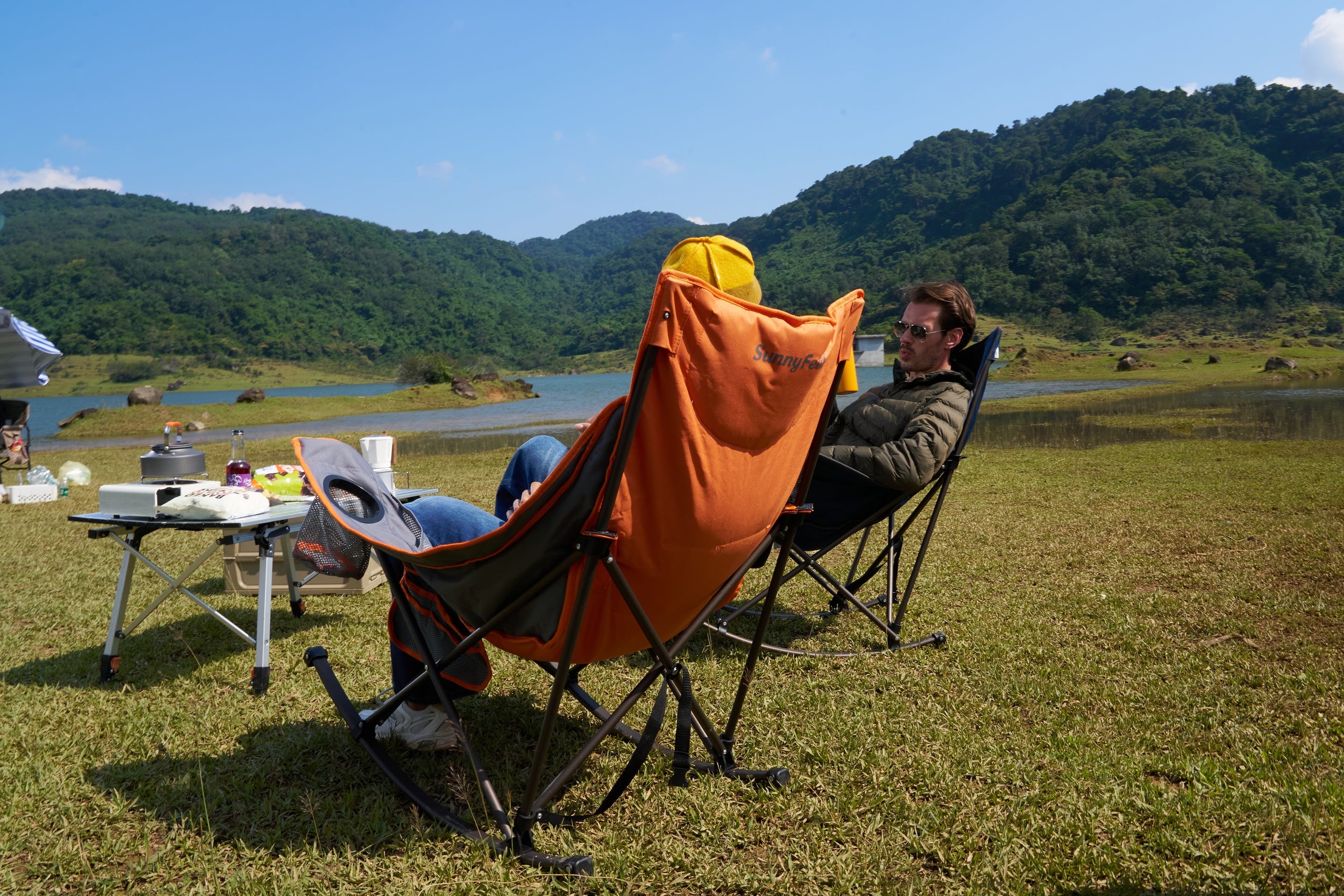
A compact camping chair works well for smaller storage compartments, while a lightweight camping chair may suit travelers who regularly move their gear between the RV and nearby activity areas. Folding camp chairs with a bag can also be easier to carry and store together.
Compare the packed dimensions, seat width, weight capacity, and setup process. Portable chairs should fit your RV's storage space without blocking access to other supplies.
If you want a place to set down a drink or phone, consider a folding director-style chair with a built-in side table. This may replace a separate small table and reduce the number of items you need to pack.
Decide If You Need a Separate Folding Table
A separate table makes sense if you plan to eat outside with several people, prepare food, or play games. A lightweight folding table can provide a shared surface without taking up as much storage room as a full-size patio table.
Choose the table size based on your group and the space beneath your RV awning. Check its packed dimensions, weight limit, and stability on the surfaces you expect to use.
If your chairs already have side tables and you mainly need somewhere to put a drink or snack, you may not need another table. The goal is to bring equipment that serves a clear purpose.

Decide If a Folding Wagon Will Make Transport Easier
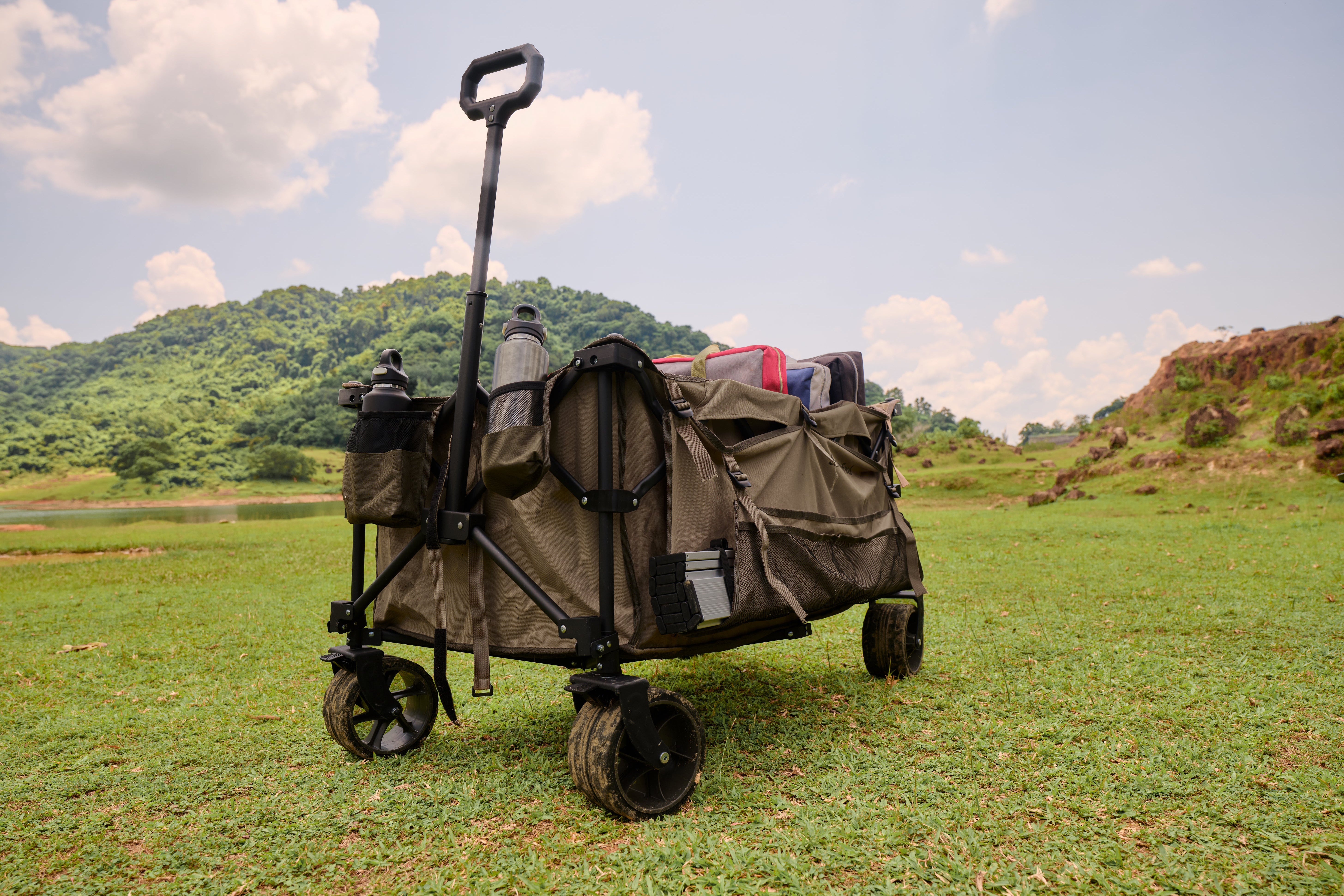
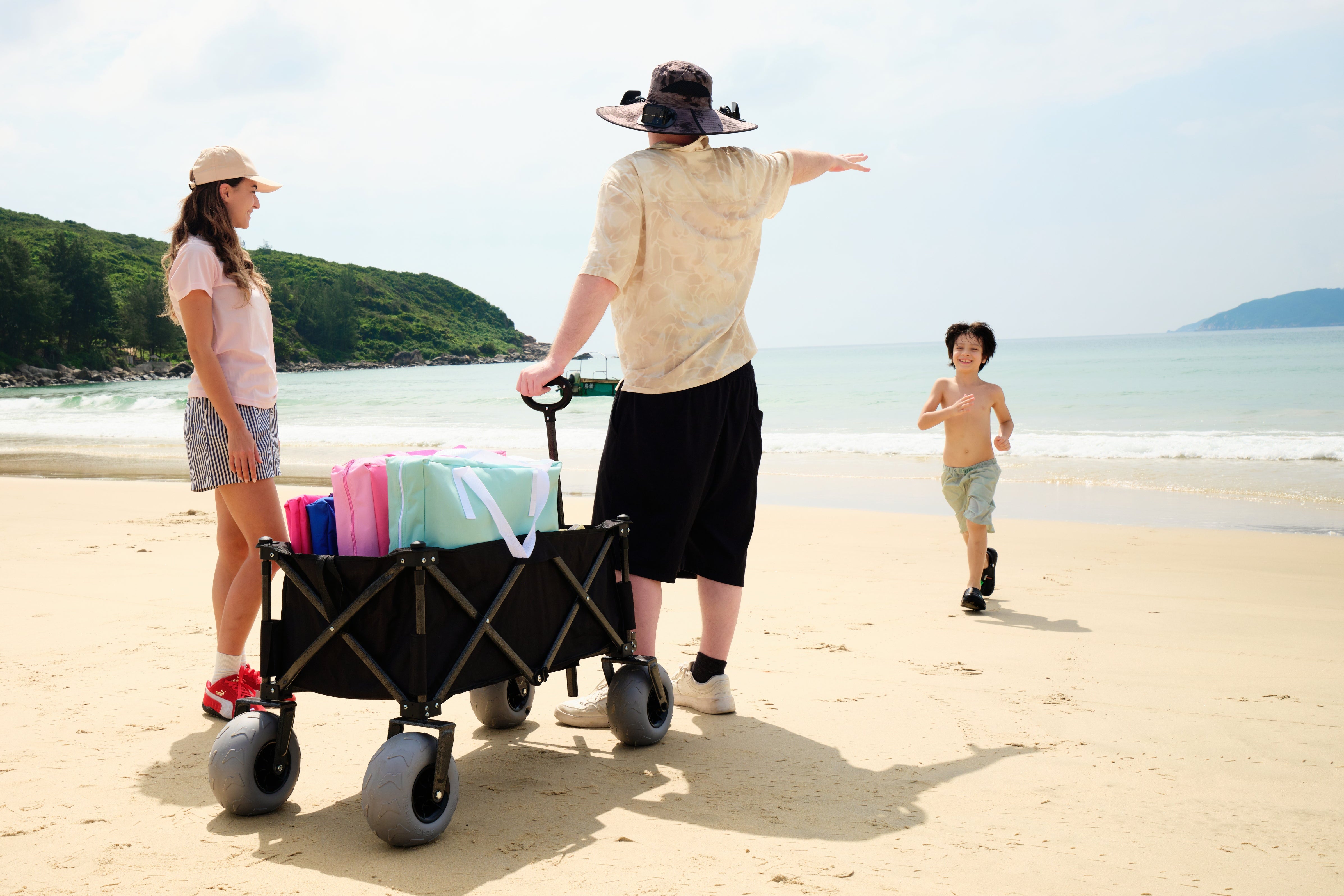
A folding wagon can help carry several items from a parking area to your campsite. It may be useful for families bringing chairs, food, a cooler, and other supplies, especially if the site is a short walk from the RV.
Check the wagon's load capacity, folded size, wheel design, and suitability for the ground at your destination. Sand, gravel, and uneven paths can make some wagons harder to pull.
Skip the wagon if your RV parks close to your setup area and you only need to carry a few lightweight items. Portable seating solutions and other compact gear may be all you need for a simple weekend.
Choose Space-Saving Gear That Is Easy to Store
Compact equipment only helps if it fits your RV and is easy to use. Compare the space each item occupies with the practical benefit it provides, then choose a setup that suits your storage limits and daily routine.
Compare Multi-Use Gear With Separate Items
Look for opportunities to combine functions. A chair with a side table may replace a chair and a small standalone table. A folding table with a storage shelf may keep snacks and small supplies organized without requiring another storage bin.

Folding outdoor chairs are useful when they pack flat and can be stored together. Some portable chairs come with carry bags, which help keep them contained in a storage compartment.
Measure Your RV's Storage Compartments
Measure the height, width, and depth of the storage space you plan to use. Check the opening as well as the compartment's interior, since a folded chair may fit inside but fail to pass through a narrow door.
Compare the actual packed dimensions of your gear rather than relying on product photos. Keep frequently used items easy to reach, and make sure stored equipment does not block access to emergency supplies or interfere with vehicle systems.
Balance Portability, Comfort, and Durability
The lightest item may not be the most comfortable, and the smallest item may not suit every traveler. Check seat dimensions, frame construction, fabric, weight limits, and the effort needed to fold and unfold each product.
A good balance is a chair that feels comfortable for your planned activities, packs into the available space, and is simple to clean. Choose equipment for the campsite surface and expected conditions, and store it securely during travel.
Leave These Unnecessary Items at Home
A minimal setup gets easier when you remove items that add weight and clutter without improving your trip. Review your packing list and keep the equipment that supports your actual plans.
Duplicate Chairs, Tables, and Kitchen Tools
You rarely need several pieces of gear that serve the same purpose. One camping chair per person and one shared table may be enough for a small group.
Use your RV's dining area when it suits the meal, and save the outdoor setup for activities that benefit from fresh air. The same rule applies to cookware: a pan, a pot, and a few useful utensils can cover many simple meals.
Bulky Gear for Activities You Haven't Planned
Leave large sports equipment, extra cooking appliances, and oversized outdoor furniture at home unless your plans call for them. If you intend to hike most of the day, you may spend little time using a large outdoor seating setup.
For occasional activities, borrowing or renting equipment may make more sense than storing it in your RV all year.
Excess Food, Clothing, and Backup Supplies
Avoid packing a different outfit for every possible situation. Choose versatile clothing and add weather protection based on the forecast.
Plan meals around ingredients you can use more than once, and buy perishable food in reasonable quantities. Keep necessary emergency supplies, but remove unnecessary duplicates and expired items from your regular kit.
Use a Simple Weekend RV Camping Checklist
A repeatable checklist helps you prepare faster on future trips. Divide tasks into departure, campsite arrival, and departure day so you can find the right items and complete each step in a sensible order.
Before Leaving Home
- Confirm your reservation and campsite facilities.
- Check the forecast and plan clothing and meals.
- Inspect tires, lights, and relevant vehicle systems.
- Check required hookup equipment and safety supplies.
- Pack food, personal items, and any missing RV supplies.
- Secure loose items and confirm that your load stays within the vehicle's limits.
When You Arrive at the Campsite
- Inspect the site for obstacles and confirm there is room for the RV and awning.
- Park and level the RV according to the owner's manual.
- Chock the wheels and complete the required setup steps.
- Connect available utilities using the correct procedures.
- Set out only the chairs, table, and other equipment you plan to use.
- Keep walkways, doors, and emergency equipment accessible.
A consistent setup order can help prevent missed steps and make campsite arrival less stressful.
Before Packing Up to Leave
- Clear and store outdoor furniture, lights, and loose items.
- Disconnect and stow utilities according to the RV's instructions.
- Secure cabinets, drawers, doors, and storage compartments.
- Check the campsite for rubbish and forgotten belongings.
- Complete the required final vehicle and hitch checks.
After returning home, note which items you used and which stayed packed. Remove unnecessary gear from your regular checklist and add anything you genuinely missed.

Keep Your Weekend RV Camping Setup Simple
A comfortable weekend RV trip does not require a vehicle full of gear. Start with the supplies already available, pack for your planned activities, and choose outdoor furniture that earns its storage space. Folding camping chairs, a compact table, or a wagon can make outdoor living easier when they meet a real need. Keep your setup simple, and spend more of the weekend relaxing.
FAQs
Q1: Can You Go RV Camping for a Weekend Without Campground Hookups?
Yes. Dry camping is possible if your RV and supplies support the trip. Check your fresh-water capacity, battery power, food storage, and waste-tank limits. Reduce water and electricity use as needed, and confirm that your destination permits overnight camping.
Q2: How Do You Keep an RV Organized While Traveling?
Give each item a designated storage spot and group related supplies in small containers. Store heavy items securely, keep frequently used gear accessible, and return items to their assigned places after use. Check that nothing can shift during travel.
Q3: How Do You Prepare an RV for Unexpected Rain During a Weekend Trip?
Pack waterproof outerwear, suitable footwear, and a bag or container for wet gear. Check that your RV's windows, doors, and awning are in good condition. Secure or retract the awning according to the manufacturer's instructions when wind or storms threaten, and keep outdoor items from blocking entrances.
Q4: What Should First-Time RV Campers Know for Their First Weekend Trip?
Choose a campsite with facilities that match your experience and RV setup. Learn the vehicle's basic systems, practice leveling and connecting utilities, and confirm which supplies are included if you are renting. Keep the first itinerary simple and allow extra time for setup and packing away.


