

A youth sports tournament can mean several games, long breaks, and hours at a field or gym. Packing for the full schedule helps your family avoid forgotten equipment, rushed food stops, and uncomfortable waits between matches.
Start by checking the coach's instructions, tournament schedule, and venue rules. Confirm what the team provides, what each player must bring, and whether the venue allows outside food, personal chairs, canopies, and wagons. Then use the checklist below, adjusting optional items to the weather, available facilities, and length of your trip.
1. Athlete Equipment and Clothing
Pack these items in your child's sports bag so everything needed for play stays together.
- Correct uniform and any required alternate jersey
- Sport-specific shoes suited to the playing surface
- Required protective equipment
- Personal equipment, such as a glove, racket, or helmet
- Spare socks and a shirt
- A full change of clothes
- Small towel
- Bag for wet or dirty gear
Prioritize What Your Child Needs to Play
Confirm uniform colors and equipment requirements with the coach. Check whether the team supplies shared items or expects each player to bring their own.
Footwear should match the sport and surface. Do not assume that the shoes your child uses for practice will suit every tournament location. Check that required protective gear is packed and ready to use before adding comfort extras.
Make Clothing Changes Easy
Spare socks and clothes are useful after sweaty games, muddy conditions, or unexpected rain. Keep clean clothing separate from used gear so your child can find it quickly between matches.
For multiple days of play, group clothing by day or game. Label bags and equipment with your child's name, especially when teammates have similar items.

2. Water, Snacks, and Meals
Plan food and drinks around the time you expect to spend at the venue, including breaks and possible schedule changes.
- Refillable water bottle for each child
- Backup drinking water, if needed
- Familiar, easy-to-eat snacks
- A simple meal for an all-day event
- Insulated cooler and ice packs for perishable food
- Napkins and any necessary utensils
Choose Food That Works Between Games
Bring foods your child already enjoys and can eat comfortably during breaks. Options include fruit, crackers, pretzels, granola bars, sandwiches, and wraps. Yogurt and other perishable foods need suitable cold storage.
For a long tournament day, pack a meal rather than relying entirely on snacks. Consider how much time your child will have to eat and whether food will be easy to carry between fields.
Plan Around the Venue's Facilities
Check whether drinking-water refill stations and food vendors will be available. A concession stand may be convenient, but queues and changing game times can make it difficult to rely on one for every break.
Keep perishable food in an insulated cooler with ice packs and follow applicable food-storage guidance. Pack the cooler shortly before departure so chilled items spend less time out of refrigeration.
3. Weather Protection
For outdoor tournaments, use the forecast to choose what you need from this list. Consider both the first game and the conditions expected later in the day.
- Sunscreen
- Hats and sunglasses
- Lightweight, breathable clothing
- Sweatshirt or warm outer layer
- Rain jacket or waterproof outer layer
- Compact blanket for cool spectator seating
- Insect repellent, where appropriate
Prepare for Changes During the Day
A cool morning can turn into a warm afternoon, so removable layers are often more practical than one heavy outfit. Keep weather items accessible instead of burying them under equipment.
For wet conditions, use the spare socks, towel, and wet-gear bag in your child's sports kit. Add extra changes if rain is likely to last throughout the event.
During hot weather, plan access to shade and breaks, and encourage your child to tell an adult if they feel unwell. Packing the right supplies supports preparation, but conditions may also require changes to the day's activities.
4. Sideline Seating and Carrying Gear
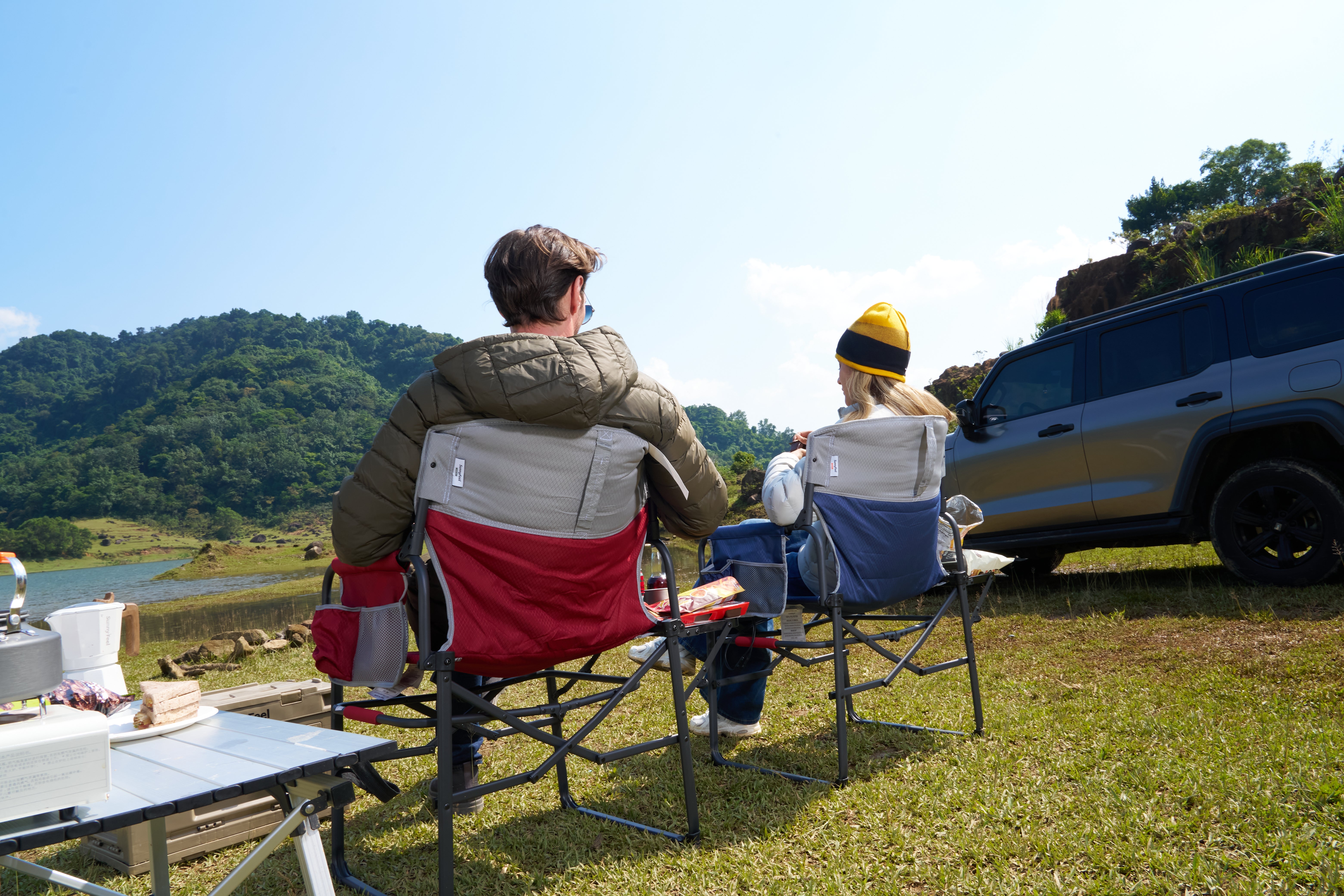
Parents may spend hours waiting between games. Choose comfort items according to the seating available and the distance from parking to the playing area.
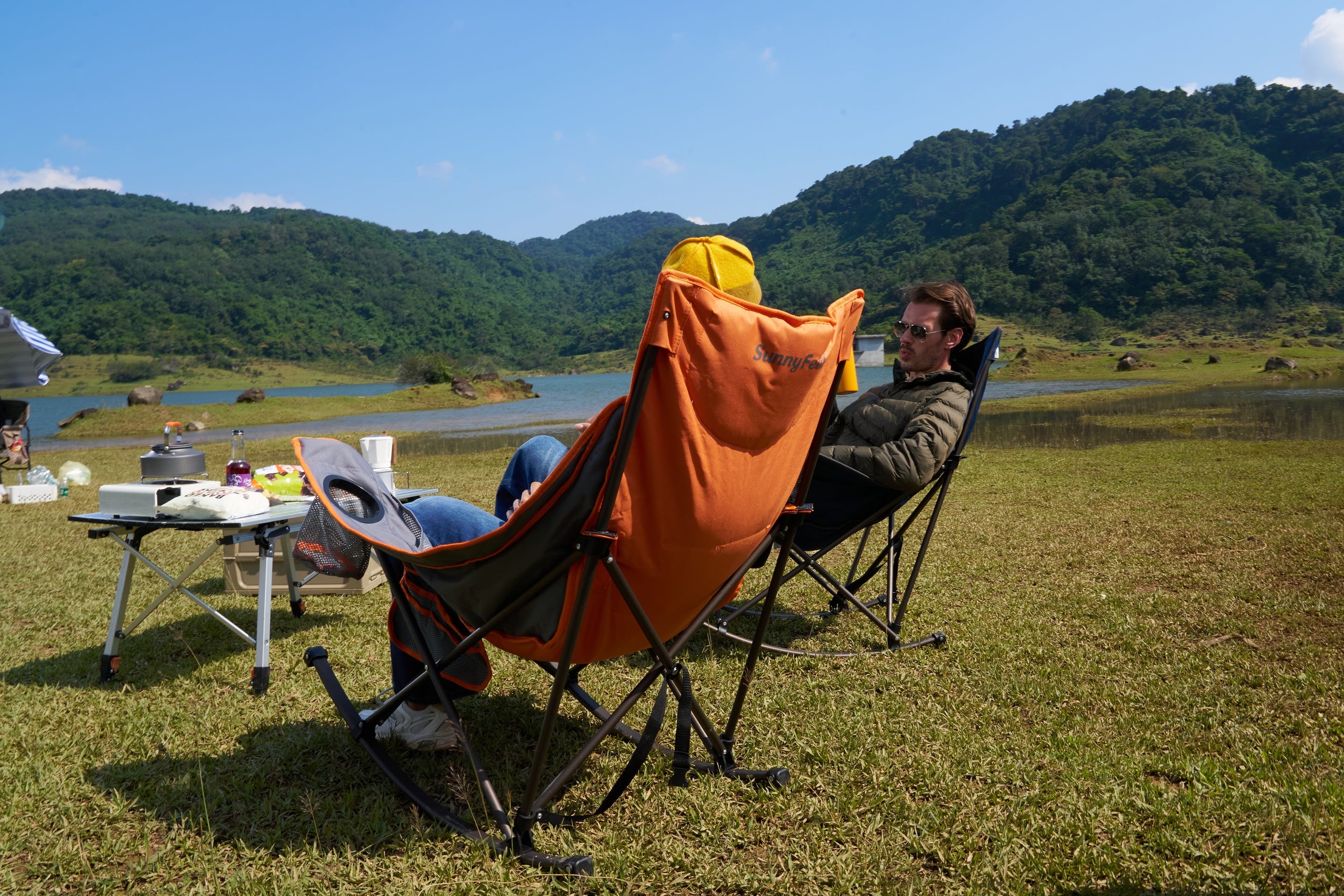
- Folding chairs, if seating is limited
- Canopy or other permitted shade option
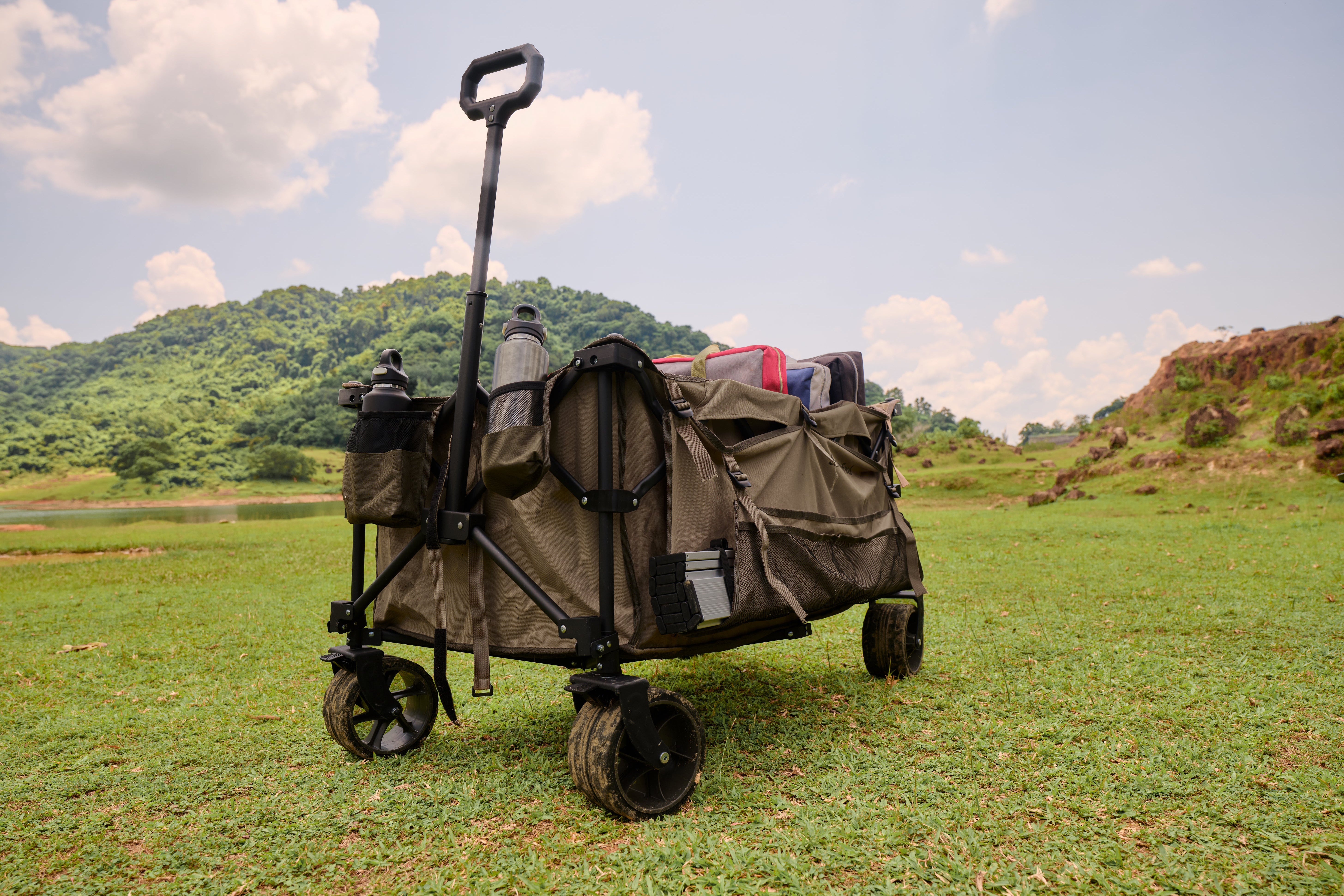
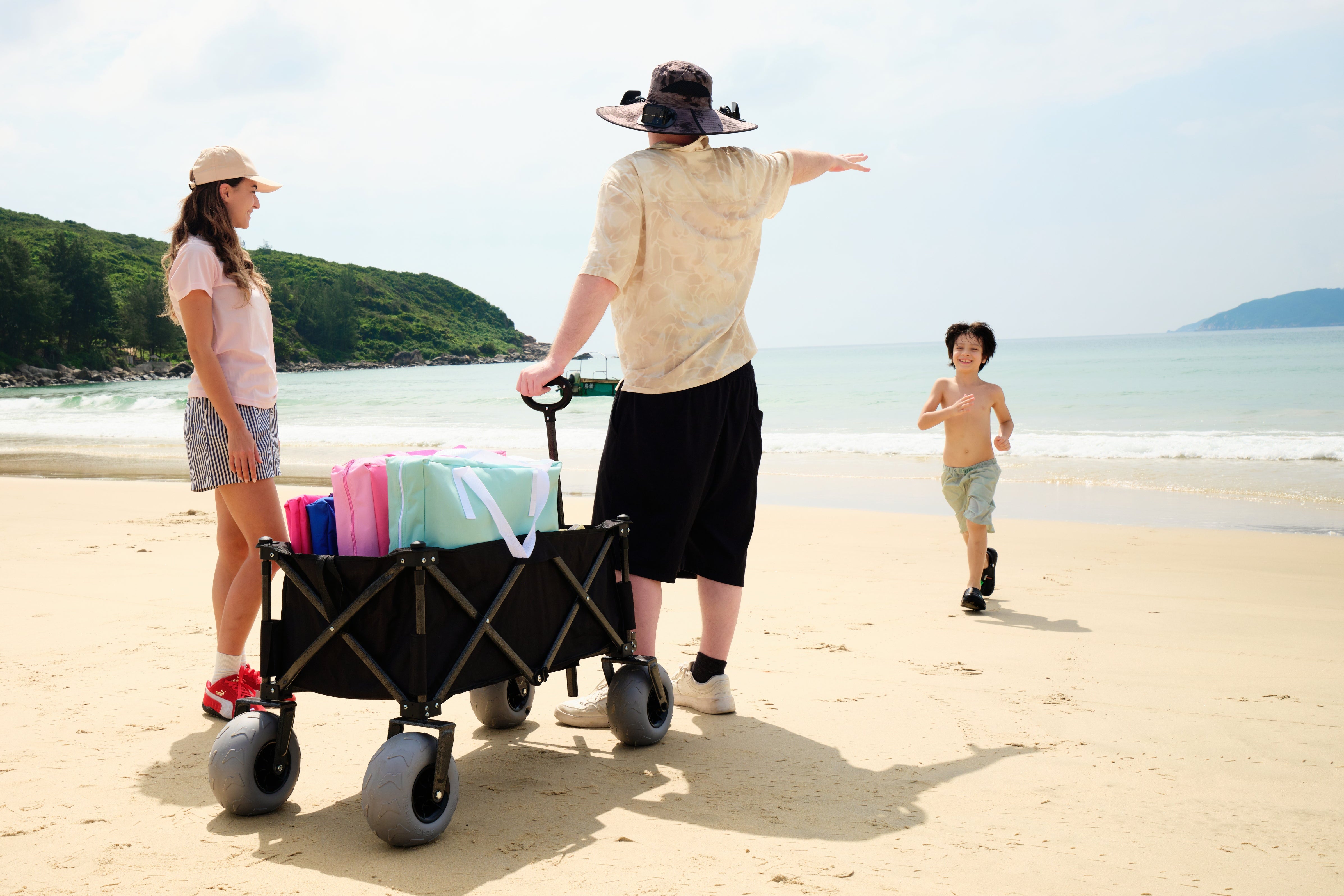
- Folding wagon, if needed for transporting supplies

Choose Chairs You Can Carry Comfortably
A portable folding chair can be useful at outdoor venues without enough benches or bleachers. Consider its weight, folded size, weight capacity, and carrying method.
For a long walk from the car, ease of transport matters as much as seat comfort. If you expect to sit for several hours, also consider seat size and back support.
Match Shade and Transport Gear to the Venue
A canopy can provide a place to wait out of direct sunlight where permitted. Follow the organizer's instructions for setup and placement, and keep walkways, team areas, and other spectators' views clear.
A wagon can help move chairs, a cooler, and sports bags across a large complex. Check its load capacity, folded dimensions, and suitability for the route from the parking area.
These are optional items. Bring what will make the day easier without creating more equipment than your family can comfortably manage.
5. Health, Hygiene, and Personal Essentials
Keep smaller supplies together in a pouch that is easy to reach.
- Adhesive bandages and basic first-aid supplies
- Personal medications and required medical supplies
- Tissues, wipes, and hand sanitizer
- Small trash bag
- Phone, charging cable, and portable power bank
- Payment method
- Required registration documents, player identification, or medical forms
Follow medication labels and your child's healthcare provider's instructions. Pack familiar personal-care supplies rather than adding products your child has never used simply because they appear on a general list.
Save the venue address, parking information, schedule, and coach's contact details on your phone. Download or screenshot essential information so it is easy to find when you arrive.
6. Extras for a Weekend Tournament
For an overnight trip, add:
- Enough clean uniforms and sports clothing for the schedule
- Casual outfits and underwear
- Sleepwear and toiletries
- Laundry bags
- Hotel confirmation and travel details
Check whether laundry facilities are available before deciding how many clothing changes to bring. Keep overnight belongings in a separate bag so you do not have to carry them to every game.
If possible, organize the car so the sports bag and sideline supplies are accessible without unloading everything needed for the hotel.

Pack and Check Before Departure
Once you have worked through the relevant categories, use this short routine to make departure easier.
The Night Before
- Confirm the latest event details. Check arrival time, the first playing location, parking instructions, and any updates from the coach or organizer.
- Review the forecast. Make final adjustments to the weather items you selected.
- Pack by purpose. Keep the athlete's equipment, food supplies, parent essentials, and overnight belongings in separate bags.
- Complete the packing check together. Let your child check their sports bag, with an adult helping as needed.
- Prepare departure items. Charge devices, refrigerate perishable food, and leave a short reminder for anything that must be added in the morning.
Before Leaving
Pack chilled food and any remaining essentials, check for schedule changes, and load the car with the first items you will need within easy reach.
Adjust the amount you bring to the event: a half-day tournament may need only the core supplies, while an all-day or weekend schedule requires more food, clothing, and travel preparation. The aim is to arrive with what your family will use, organized so you can find it when you need it.
Prepare for a Comfortable Youth Sports Tournament
A well-planned packing list helps your family arrive ready for the games instead of worrying about forgotten items. Start with your child's equipment, then add food, weather protection, and the supplies needed for the day's schedule.
For parents attending outdoor events, portable seating, shade, and a wagon can also make long waits and equipment transport easier. Check the venue rules, review the forecast, and use the night-before checklist to keep everything organized.
FAQs About Youth Sports Tournament Packing
Q1: What Should Parents Pack for an All-Day Youth Sports Tournament?
Bring your child's complete sports gear, water, snacks, a meal, spare clothing, sunscreen, and weather-appropriate layers. Parents may also want folding chairs, a cooler, and a portable charger. Adjust the list to the sport, weather, and venue rules.
Q2: What Should You Pack for a Weekend Youth Sports Tournament?
Pack enough uniforms, socks, and sports equipment for the full schedule, along with toiletries, sleepwear, casual clothing, and laundry bags. Review the itinerary and hotel arrangements to determine what else your family needs.
Q3: Do Parents Need to Bring Their Own Folding Chairs to Youth Sports Tournaments?
Not always. Some venues provide bleachers or benches, while others have limited seating. Check the tournament rules and available facilities. If personal chairs are allowed, portable folding chairs can be useful for long outdoor events.
Q4: How Can Parents Prepare for Hot or Rainy Tournament Weather?
Check the forecast and pack sunscreen, hats, water, and shade options for sunny conditions. For rain, bring waterproof outerwear, spare socks, towels, and bags for wet clothes. During hot weather, encourage regular breaks and watch for signs of heat-related illness.


